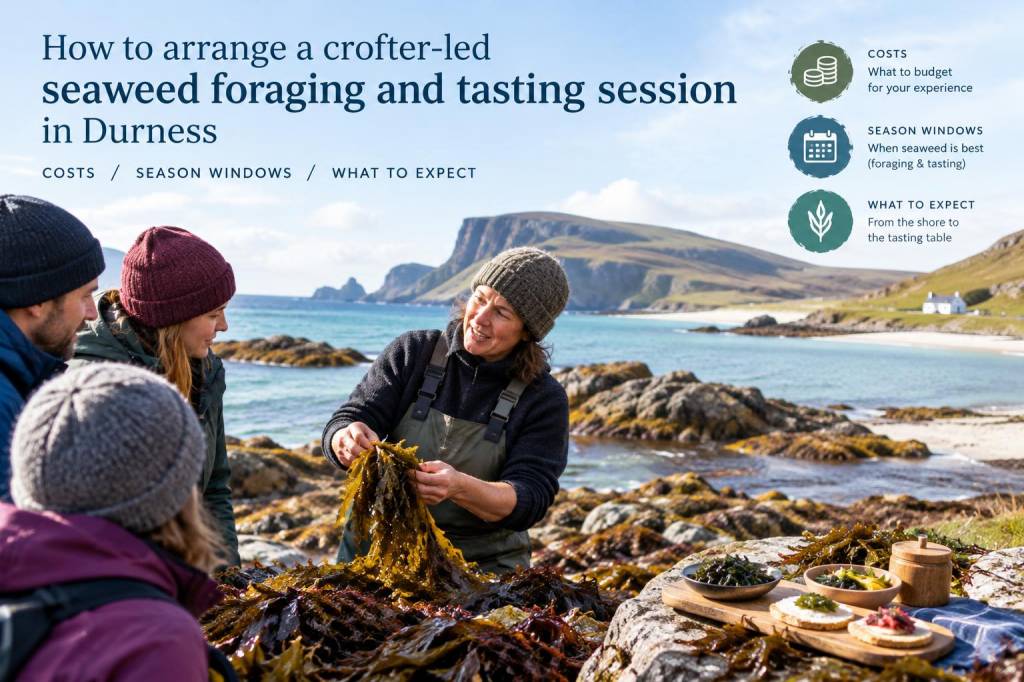
I still remember the first time I crouched on a rock pool edge at low tide, the wind pushing my hair into my face while a crofter pointed out the difference between a sweet, glossy sugar kelp and a tougher wrack that belongs in a stew. Seaweed foraging feels like a secret handshake with the coastline here in Durness—part culinary adventure, part cultural lesson, and completely tied to local crofting knowledge. If you’ve ever wanted to join a crofter‑led seaweed foraging and tasting session, here’s a practical guide from arranging a trip to what you’ll actually taste and how much it will cost.
Why choose a crofter‑led session?
Crofters have spent generations reading tides, weather and the coastline. They know where delicate habitats need protection, which species are best harvested and when, and how to use seaweed in food and craft. On a crofter‑led session you won’t only collect seaweed—you’ll learn the stories behind Gaelic names, sustainable harvesting methods, and often get recipes handed down through families. These outings support local livelihoods and give you a far richer experience than foraging alone.
When to go: season windows and timing
Seaweed is seasonal in different ways: some species are best in spring when growth is fresh, others hold flavour through late summer and autumn. In Durness I usually recommend:
Most crofters run regular sessions from May through September when tides are gentler and access is safest for visitors. If you’re after a particular species, check in with the organiser—timing matters.
How to arrange a session
I recommend booking through local crofters or community groups rather than large commercial outfits; you get authenticity and your money directly supports families who manage the land. Steps to arrange:
Allow at least two weeks’ notice in high season. If you need transport from Durness village, mention it—some crofters can arrange pick‑ups for a small fee.
Costs and what’s included
Prices vary depending on whether the session includes a prepared tasting or a full meal. I’ve put together a general table from recent local offerings to give you an idea—these are typical ranges, but always confirm with your host.
| Service | Typical cost (per person) | What’s included |
|---|---|---|
| Basic guided foraging (2 hours) | £15–£30 | Guided walk, ID of seaweeds, light sampling |
| Foraging + tasting (2–3 hours) | £35–£60 | Guided foraging, prepared tasters (seaweed butter, pickles, broths), hot drink |
| Foraging + cooked meal (3–4 hours) | £60–£120 | Foraging, multi-course meal featuring harvested seaweeds, storytelling |
| Private or bespoke sessions | £100–£300+ | Tailored itinerary, transport, family recipes, larger groups |
Many sessions run on a pay‑what‑you‑can basis for children under 12 or offer family discounts. Some crofters also sell jars of preserved seaweed, kelp sugar or smoked seaweed to take home.
What to expect on the day
Typical session flow:
Packing list and practical tips
Dress for the coast and variable weather:
On biosecurity: never move seaweed between sites or dump it in freshwater. Crofters will show you how to clean gear and avoid spreading hitchhiking species.
Dietary notes and food safety
Seaweeds are nutrient‑dense and generally safe, but they concentrate iodine and salt. If you have thyroid issues, dietary sodium concerns, or are pregnant, ask your doctor before sampling large quantities. Hosts will usually offer small tasters and explain preservation methods. If you have shellfish allergies, mention it—rock pools can host small crustaceans and cross‑contamination in a croft kitchen is possible.
Respecting crofting communities and the environment
Participating in a crofter‑led session is also an opportunity to support respectful tourism. A few ground rules I always follow and encourage visitors to observe:
If you’d like recommendations for trusted hosts or an updated list of upcoming foraging events, check the Local Culture section on Hillside Durness Co or drop me a message on the contact page. I’m always updating contacts and sharing my favourite seaweed recipes after a good session—seaweed butter is a personal favourite that works magic on fresh sourdough and grilled halibut.