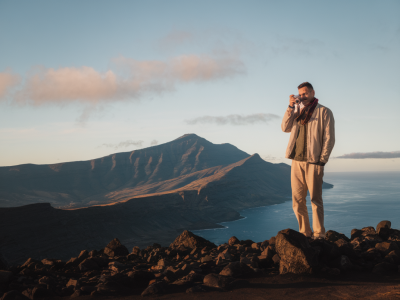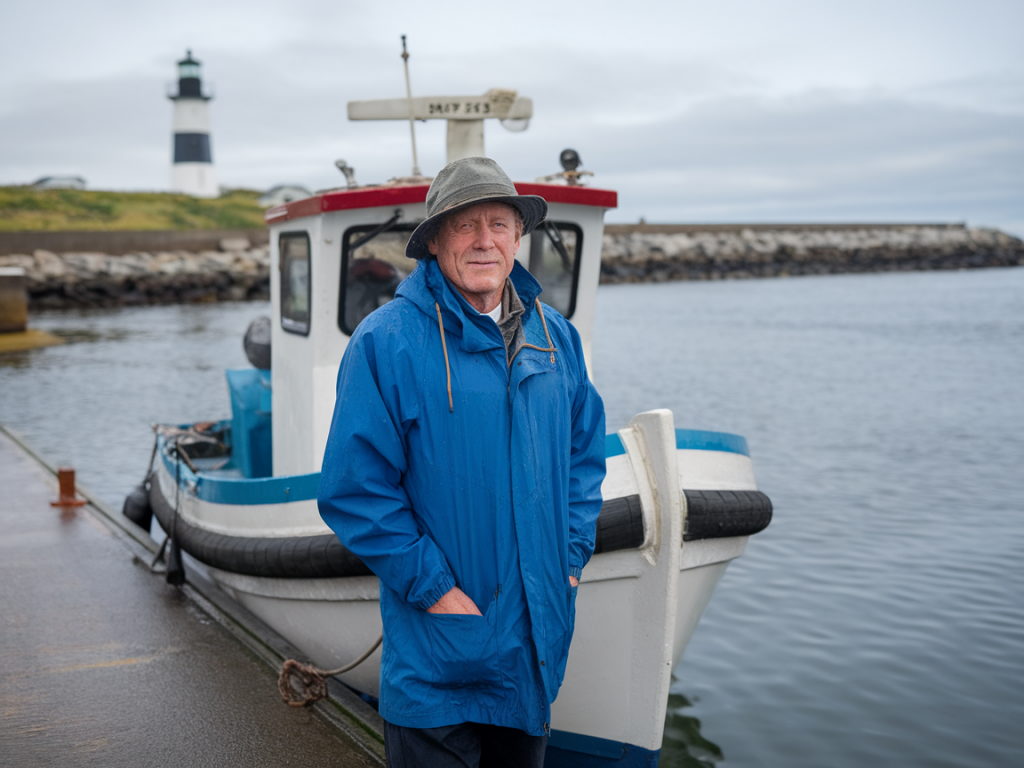
I grew up with the North Atlantic in my bones: salty air, wind-swept cliffs and a restless curiosity for hidden coves. Over the years I’ve hired local skippers from Durness more times than I can count, both for gentle wildlife-watching trips and for navigation to remote beaches you can’t reach on foot. If you’re thinking of hiring a boat from Durness, here’s everything I wish I’d known the first few times—what to ask, what prices to expect, how to maximise wildlife sightings and how to stay safe and respectful of fragile places.
Why hire a local skipper?
Local skippers bring far more than a licence and a tidy boat. They know the tides, the hidden gravel bars, the best anchorages when the weather turns, and the stories—crofters’ tales, wartime relics, and Gaelic place names. A good skipper will get you to seal haul-outs, puffin colonies and dramatic sea stacks while keeping disturbance to a minimum. For me, the difference between a forgettable jaunt and a lasting memory has almost always been the person at the helm.
Key questions to ask before you book
When I call or message a skipper, I use a short checklist. It helps cut through marketing and get straight to the practicalities.
Cost expectations and typical pricing
Prices vary by skipper, boat size, and trip length, but here are ballpark figures I’ve seen around Durness. I always check with the skipper for current quotes and what’s included.
| Trip type | Typical duration | Price (approx.) |
|---|---|---|
| Short wildlife/sea tour | 1–2 hours | £80–£150 per trip (up to 6 passengers) |
| Half-day coastal trip | 3–4 hours | £150–£300 per trip |
| Full day / remote beach landing | 6–8 hours | £300–£600+ |
| Multi-day charters / custom expeditions | 24+ hours | Varies widely — request bespoke quote |
Many skippers quote per trip rather than per head. If you’re a small group, that can be excellent value. Don’t forget to ask about fuel surcharges, landing fees (some private crofts may request a small donation), and gratuities—if the skipper made your day, a tip is always appreciated.
Best times for wildlife viewing
Timing is everything. I recommend thinking about both season and tidal window.
Wildlife etiquette: what I always follow
I treat wildlife viewing as a privilege, not a right. Here’s how I help keep animals safe and stress-free.
Practical kit to bring
I pack light but smart. Even in summer, the weather on the north coast can flip quickly.
Booking tips and how I find reliable skippers
I start locally: the Durness shop, the youth hostel noticeboard, crofters and rangers often have names. Social media groups for Highland wildlife and local tourism sites can help, but I prefer direct recommendations. When I find a skipper I like, I save their contact for future flexibility—weather is fickle here, and local skippers can often move your trip to the best window.
Also check reviews, but read them critically—wildlife trips are weather-dependent and a “no wildlife” review may reflect bad luck not bad guiding. Ask for recent references or photos from the skipper’s last few trips.
Safety and legal points
Skippers should be able to explain their safety procedures in plain language: lifejacket briefings, where fire extinguishers and first-aid kits are, radio checks and emergency plans if you’re heading offshore. If you’re planning beach landings, remember some foreshore is private; always ask your skipper about permission and local crofters’ preferences.
Finally, be realistic about sea conditions. I’ve cancelled more than once when the swell was building—disappointing at the time, but preferable to ending up in a risky situation. A good skipper will never put safety at risk for a photo opportunity.
If you’d like, I can suggest questions tailored to a particular trip you’re planning (wildlife focus, photography, family-friendly landing, etc.), or share names of skippers I’ve had great days with around Durness. Drop a note and tell me what kind of outing you’re after and how many people will be in your group.