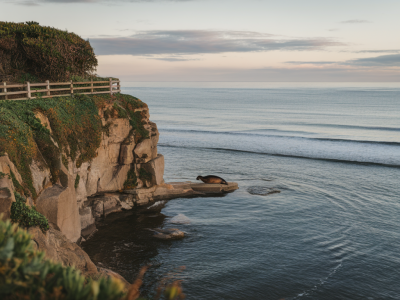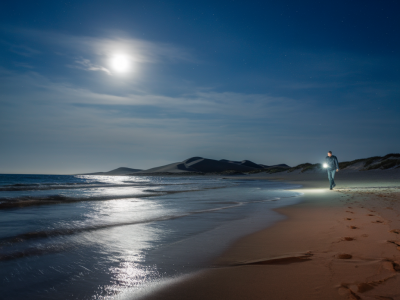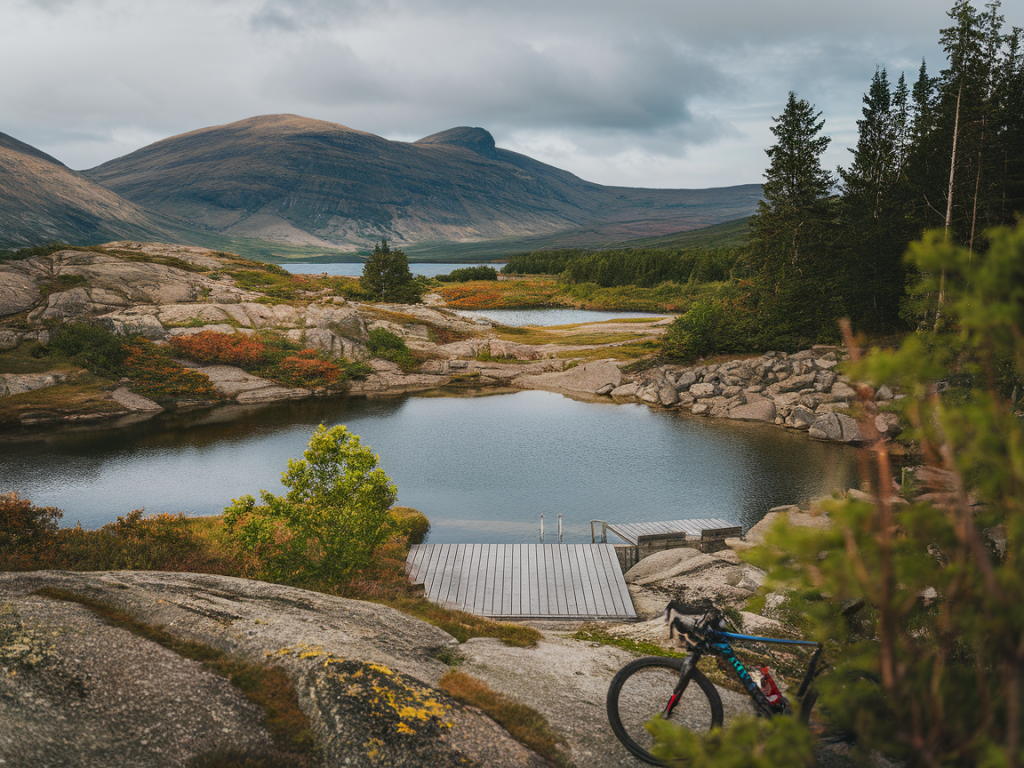
I love Durness because it feels like the kind of place you can actually arrive at, drop a rucksack, and immediately belong to the landscape. Over the years I’ve learned that you don’t need a car to experience the best of the far north—just a bit of planning, a flexible mindset and the generosity of local transport operators. Below I share how I organise a zero‑car weekend in Durness using local buses, bike hire and trusted boat or taxi skippers. These are practical, tested ideas that have let me reach remote beaches, cliff-top walks and hidden coves while keeping my carbon footprint small.
Why go car‑free in Durness?
Going car‑free changes the way you travel: you slow down, you meet people, and you get to enjoy routes you might otherwise miss. Buses in the Highlands are scenic and often uncrowded; cycling the coastal roads gives you time to stop and photograph light on the waves; local skippers can drop you at secluded beaches and return for pickup. Plus, parking in tiny villages is limited—so car‑free can be simply easier.
Pre‑trip planning: bookings and timing
Start by choosing your travel days. Weekend buses are less frequent than weekdays, so I pick arrival and departure times that match the local timetable. I always check the timetables on the operators’ websites (Stagecoach, Citylink and local council services are the usual suspects) and then call to confirm—timetables change seasonally.
For bike hire and boat/skipper trips I book early. Many small hire businesses and skippers run to a single phone line or a village shop booking list; once I had to wait because everything was booked by a group. If you’re travelling in high season (May–September) reserve at least a week ahead. In shoulder months, a few days can be enough.
How I combine buses, bikes and skippers
Here’s the pattern that works best for me on a two‑night weekend:
- Arrive by bus on Friday late afternoon (or early evening), walk to accommodation.
- Saturday: pick up hired bike, cycle scenic coastal roads to a launch point, meet a skipper for a short sea transfer to a hidden beach or sea cave, hike back to Durness or be picked up on the return leg.
- Sunday: a longer bus journey to a nearby village for a guided coastal walk or to connect to a bus that heads for Sutherland viewpoints, then bus back to catch your onward connection.
This mix gives you variety: the bus moves you between hubs, the bike lets you explore side roads and viewpoints, and the skipper opens up beaches and caves that are hard to reach on foot.
Sample weekend itinerary (my go‑to)
| Friday | Arrive Durness by bus (afternoon). Check in at B&B or camping. Evening walk to Sango Sands for sunset. |
| Saturday | 09:00 – pick up bike from village hire. 10:00 – cycle to boat rendezvous point (pack lunch). 11:30 – short skipper transfer to a secluded beach and coastal walk (skipper happy to wait or collect later). 16:00 – cycle back via viewpoints; return bike. 19:00 – dinner and chat with locals about crofting and sea life. |
| Sunday | 08:30 – catch local bus to a nearby walk (or to Smoo Cave if you prefer an easy morning). 13:00 – lunch in the village shop or at a cafe. 15:00 – bus back to collect bags and depart for next stop. |
Practical tips for buses
- Always check the return times. Some services run only once or twice a day.
- Carry cash—some smaller bus drivers prefer it even when card machines work on main routes.
- If you have a bike with you, ask about space on the bus. Folding bikes are easiest; most buses can’t take full‑size bikes unless you disassemble them.
- Download or screenshot timetables: signal can be patchy in remote areas.
Choosing and using local bike hire
I usually hire a sturdy hybrid or gravel bike with mudguards (coastal roads are often wet and windy). Look for bikes with: a comfortable saddle, lights, and a pannier or bikepacking bag. A good tyre width (32–40mm) gives grip on rough tarmac and track sections. Ask for a basic toolkit, a pump and a puncture repair kit when you collect the bike.
Tips I follow when cycling around Durness:
- Ride defensively—single track roads with passing places require patience.
- Plan an easy route back so you’re not cycling into a headwind for hours.
- Lock the bike to a fence or bring it inside small businesses if you want to stop for coffee.
Finding and working with trusted skippers
“Skippers” in this context are local boat operators who know the coastline, tides and landing spots. They often run small RIBs, punts or open boats and offer short transfers, wildlife trips, or tailored landings at sea caves and remote beaches. I find them through:
- Local accommodation hosts and the village shop noticeboard.
- Park rangers and visitor centres (they keep lists of reliable operators).
- Social media groups and local tourism pages—look for recent photos and reviews.
When you book, ask about: tide times, maximum passenger numbers, lifejacket policy, and what the skipper expects for pick‑up times. Good skippers will advise on safe landing points and will usually carry a basic first‑aid kit and communications equipment.
Packing list for a zero‑car weekend
- Waterproof shell and breathable layers (wind and rain can change fast).
- Sturdy walking boots and lightweight shoes for beaches.
- Daypack or pannier with rain cover.
- Water bottle, snacks and a compact lunch (shops in Durness are great but limited outside village).
- Phone with offline maps (Gaia, Maps.me, or OS Maps), power bank and a paper map as backup.
- Basic repair kit if cycling: multi‑tool, spare tube, pump.
- Bin bag for wet layers and to carry out any litter.
Safety, respect and leave‑no‑trace
I always tell people: respect the landscape and the people who live here. That means keeping dogs under control near wildlife, avoiding cliff edges in windy conditions, and sticking to paths where possible to protect fragile vegetation. If a skipper or ranger gives advice—listen. Tides and weather can make a landing point safe one hour and hazardous the next.
Phone signal is often intermittent. Share your rough plans with your host and let them know your return bus time. Carry a whistle and a warm layer even on summer days.
Insider notes I’ve learned the hard way
- Village shops are invaluable: they’ll sell bus tickets, point you to a skipper, and keep a bike safe for a short spell.
- If you want to visit popular spots like Smoo Cave at busy times, arrive early or late to avoid coach crowds.
- Speak to crofters and rangers—most are happy to share simple route tips and tide warnings; they know shortcuts and the best photo angles.
With a little planning a zero‑car weekend in Durness feels wonderfully unhurried. You travel with the landscape, not through it—by bus, bike and boat—and you get to see the places that stay hidden from hurried windscreen travel. If you’d like, tell me your travel dates and I can sketch a customised itinerary that syncs local bus times with bike hire windows and possible skipper trips.