I often get asked where it’s safe and legal to park overnight for a night under the stars near Balnakeil Bay—and just as often I’m asked what the crofters will think if they find you there. Having spent many nights along this coast, I’m careful to follow the rules, keep things low-impact, and to show simple courtesies to the people who live and work here. Below I explain the options for parking and camping, the legal background, and practical advice on how to behave around croftland so that you leave things as you found them.
Legal framework: what the Scottish Outdoor Access Code allows
Scotland’s access laws are generous compared with many places. The Scottish Outdoor Access Code (SOAC) allows responsible access to most land and inland water for activities like walking, picnicking and wild camping. Wild camping is permitted, but only when done responsibly—this is not an invitation to camp anywhere you like.
Key principles I follow and recommend:
There are a few exceptions and local byelaws elsewhere in Scotland (for example, parts of Loch Lomond & Trossachs), but for the Durness/Balnakeil area there are no blanket bans on wild camping. That said—local expectations and crofters’ needs are as important as the law.
Where you can park and camp near Balnakeil
Think in three practical options: true wild camping (tent), overnight in a campervan/motorhome, or using a formal campsite. Which you choose affects where you can park legally and what crofters expect.
| Option | Where to park | Pros | Cons / crofter expectations |
|---|---|---|---|
| Wild camping (tent) | Discreet, grassy spots away from dwellings, trackways and livestock; dunes or moorland above the beach, not on fenced croft pasture | Authentic experience, low cost, best for views | Must avoid croft land, ask if unsure, no fires, take waste home |
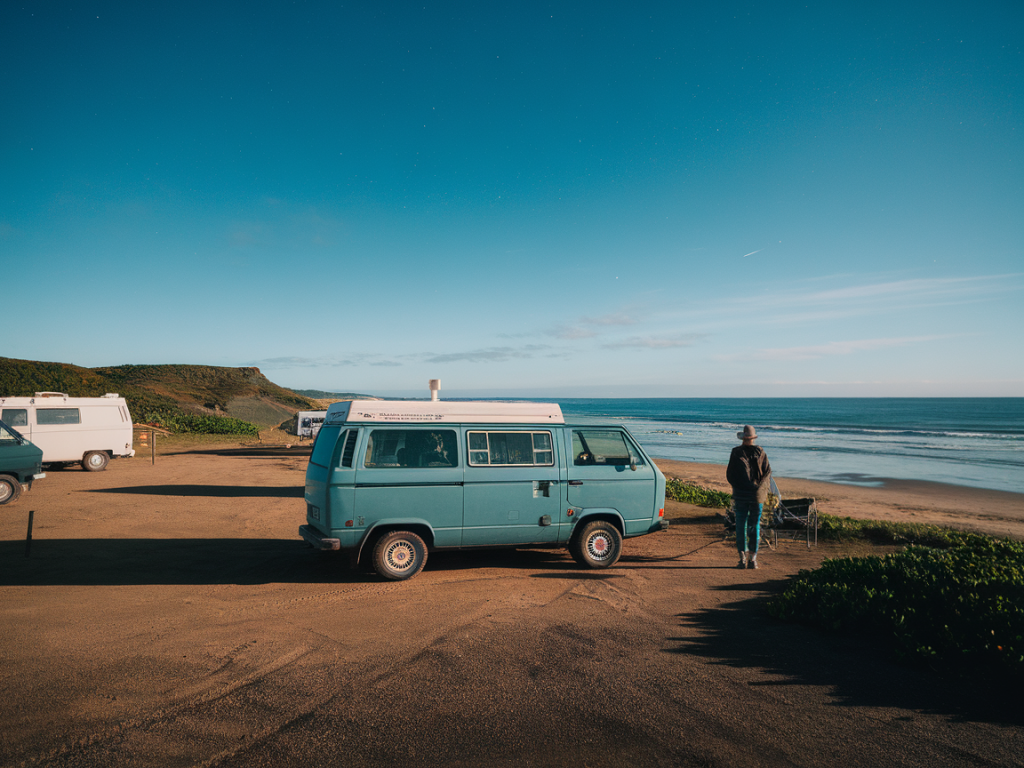
| Motorhome / campervan | Official car parks (where overnight parking allowed), private campsites, or discreet roadside turning areas—but avoid blocking gates and farm accesses | Comfort and facilities | Not legal to camp in a layby if obstructing; crofters expect you not to park by their gates or disturb livestock |
| Formal campsite | Local campsites (e.g., Sango Sands / Durness area sites) | Facilities, easy for dogs and families | Cost, book in high season |
Practical places I use or suggest near Balnakeil
Over the years I’ve found a few reliable approaches:
Note: phone and mobile data can be patchy. I always download maps (OS Maps, outdooractive, or Gaia) and mark navigation points before I set off.
What crofters expect and how to behave
Crofters work long hours and depend on land access and animals’ calm behaviour. They are generally welcoming if visitors show respect. Here’s what will keep relations friendly:
Seasonal considerations
Some times of year demand extra caution:
Practical checklist before you sleep near Balnakeil
How I politely approach crofters if I need permission
If I want to stay on or beside land that clearly belongs to someone, I’ll walk up to the nearest house or stead and say something like: “Hello—sorry to bother you. I’m planning a discreet overnight camp in the dunes/above the bay. Is that likely to cause any trouble for stock or you?” That short sentence shows I respect their work and gives them a chance to point out concerns (e.g., a lambing ewes field or a sensitive bird scrape).
Usually the reply is helpful—even generous. A crofter might tell you the best place to pitch, who to avoid, or where parking is safe. If the answer is no, accept it without argument and move on to a more suitable spot or a campsite.
Final practical tips
If you want, tell me your exact route plans and dates and I’ll suggest likely overnight spots and any crofting sensitivities at that time of year. I’ve mapped many of the spots around Balnakeil and can point you toward discreet, legal places to park and sleep that keep both your experience and local livelihoods intact.