Managing money while traveling in Tanzania taught me lessons I still use on every trip: be flexible, protect cash, and know when to use a card. In this practical guide I share conseils pratiques pour gérer son budget en Tanzanie drawn from months of travel between Dar es Salaam, Arusha, the Kilimanjaro foothills and the islands of Zanzibar. This is a hands-on, street-level companion for planning daily expenses, exchanging currency, using ATMs, and avoiding common money mishaps.
Why budgeting in Tanzania deserves a plan
Tanzania is affordable compared with many Western countries, but costs vary wildly by region and lifestyle. Urban centres and tourist hubs like Stone Town and the Serengeti command higher prices. At the same time, local transport, food stalls and basic guesthouses remain very cheap if you know where to look.
Quick stats to frame decisions:
Understand the currency and typical costs
The local currency is the Tanzanian shilling (TZS). I always travel with a mix: local cash for everyday purchases, a debit/ATM card for larger withdrawals, and one credit card for emergencies or hotel bookings.
- Common denominations: banknotes from 500 to 10,000 TZS; coins for small change are less used.
- Daily meal: street food/market meal ~2,000–8,000 TZS (~$0.80–$3.20), mid-range restaurant ~15,000–45,000 TZS.
- Local dala-dala (minibus) rides: often 500–2,000 TZS short hops; intercity buses vary by route.
Where and how to change money safely
Changing currency smartly saves wasted fees. I recommend a staged approach: exchange a small amount at arrival, then top up at better rates in cities.
- Airport exchanges: convenient but offer poorer rates—use only for immediate transit needs (taxis, tips).
- Bank branches and licensed bureaux de change in cities usually give the best reliable rates. Look for posted rates and avoid offers from street touts.
- ATMs are common in Dar es Salaam, Arusha and Stone Town; withdraw in TZS to avoid poor dynamic currency conversion.
Practical tip: check the mid-market exchange rate before you leave and while traveling using a rate app (XE, OANDA). That helps you spot unfair bureau rates.
Using ATMs and cards: dos and don'ts
I rely on ATMs for access to cash, but I follow rules to avoid being stranded.
- Do bring a debit card with low foreign withdrawal fees and inform your bank of travel dates.
- Do carry two cards in separate places—if one fails you still have a backup.
- Don't rely solely on cards in rural areas or for market purchases.
- Do check ATM fees: banks often charge a withdrawal fee plus your home bank may add one. Withdraw larger amounts (but not too large) to minimize repeated fees.
- Do use ATMs inside banks or malls for safety; avoid stand-alone machines at night.
Budgeting per activity: rough daily breakdown
When I plan a 10-day trip I break down expenses by category and region to stay realistic.
| Category | Backpacker (TZS/day) | Mid-range (TZS/day) |
|---|---|---|
| Accommodation | 10,000–30,000 | 40,000–200,000 |
| Food & drink | 5,000–20,000 | 20,000–60,000 |
| Transport (local) | 1,000–8,000 | 5,000–20,000 |
| Activities / Park fees | Varies — 0–150,000 | 100,000–500,000+ |
| Daily total (approx) | 16,000–208,000 | 165,000–780,000+ |
Saving money without sacrificing experience
I’ve learned that simple choices cut costs dramatically while keeping experiences rich.
- Use public transport (dala-dala, shared taxis) instead of private transfers where feasible.
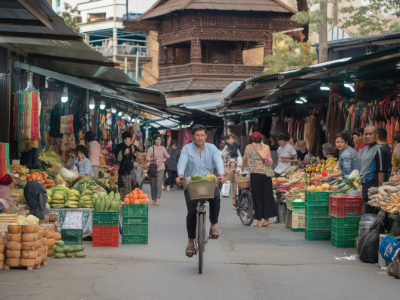
- Eat where locals eat: markets and small eateries (mama-locas) are cheap and authentic.
- Book park entry and major activities through trusted local agents; compare quotes and ask what’s included (transport, guide, meals).
- Consider self-catering for longer stays. Small grocery runs can reduce daily food spend by 30–50%.
Handling tipping, fees and informal costs
Tipping is customary in tourist areas and appreciated by guides and drivers. I budget for tips ahead of time so it doesn’t surprise me.
- Guides: $10–$30/day for quality guiding on safaris or treks (split if communal).
- Restaurant/service staff: small tips in restaurants (~5–10% or rounding up) are common.
- Carry small change: many vendors won’t have change for large notes.
Safety, scams and protecting your money
Being careful doesn’t mean being paranoid. I follow straightforward habits to reduce risk.
- Never flash large amounts of cash. Withdraw discretely and divide cash across safe places.
- Beware of currency exchange scams: insist on counting the TZS and verify denominations and serials if suspicious.
- Use hotel safes where available. For long treks or remote stays, keep a small emergency stash in a money belt.
- Keep digital copies of passport, insurance and cards in a secure cloud folder.
When to use USD or Euros
In tourist hubs I sometimes paid in USD for big-ticket items (some lodges list prices in USD). That can be convenient, but you’ll receive change in TZS—ask whether the vendor will accept foreign currency before committing. Always get a clear conversion rate.
Practical examples from my trips
Example 1 — One-week budget trip (Arusha to Tarangire): I budgeted $300 for the week including a guided park day. I prioritized a cheap guesthouse, two packed lunches, and one mid-range safari day. Booking a shared safari reduced costs by ~40% compared with private options.
Example 2 — Zanzibar island hopping for 4 days: accommodation was the largest cost. I avoided pricey beachfront hotels and chose a mid-range guesthouse with local breakfasts, which saved ~25% while preserving location convenience.
Useful resources and references
- World Bank — Tanzania country overview (economic indicators)
- Lonely Planet — Tanzania travel tips (practical travel advice)
- XE Currency (real-time exchange rates)
- Tanzania National Parks (TANAPA) (park fees and updates)