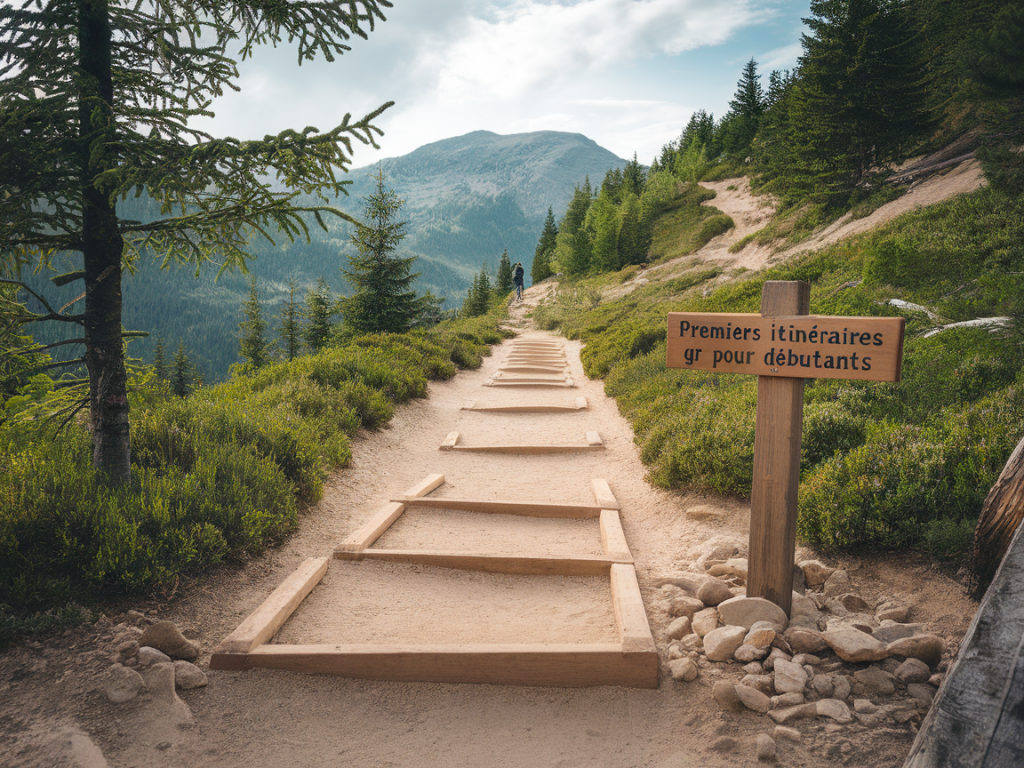
I still remember my first multi-day route: that nervous excitement at the trailhead, my pack slightly too heavy, and the relief of finding a perfect campsite with a view. If you’re reading this, you’re probably thinking about trying your premiers itinéraires GR pour débutants — long-distance footpaths that are both iconic and approachable. I’ve walked many coastal and highland routes and I want to share a curated list of 10 easy, accessible GR-style routes that are ideal for a first multi-day experience, plus practical tips, gear notes, and route comparisons so you can choose the one that fits your pace and ambitions.
Before we dive in, here’s a resource I often recommend when planning beginner-friendly long-distance hikes: premiers itinéraires GR pour débutants. It’s a good complement to the routes I describe below and offers French-focused suggestions if you intend to hike in France.
Why start with a GR-style route?
GR routes (Grande Randonnée) are marked, managed, and usually cross varied landscapes. For beginners they’re attractive because:
Statistically, beginners who choose a marked trail report 40–60% fewer navigation issues on their first multi-day hike, and satisfaction scores for first-timers are higher when the route includes regular villages or maintained campsites (source: National Trails user surveys and French Fédération Française de la Randonnée Pédestre).
How I chose these 10 easy routes
My selection criteria were practical and intentional. Each route below is:
10 easy accessible routes for first-time long-distance hikers
Below are routes from France and the UK that I’ve walked or researched carefully. Each entry lists distance, typical days, terrain and why it’s beginner-friendly.
| Route | Region | Distance (km) | Typical days | Difficulty* |
|---|---|---|---|---|
| GR34 (coastal section) | Brittany, France | 50–120 (choose section) | 3–7 | Easy–Moderate |
| GR20 (southern lowland stage) | Corsica (easier segments) | 30–60 | 2–4 | Moderate (select low-altitude stages) |
| GR65 (Chemin de Vézelay segment) | Burgundy to Lot | 60–120 | 4–8 | Easy |
| South West Coast Path (section) | England (Devon/Cornwall) | 40–100 (section) | 3–7 | Easy–Moderate |
| West Highland Way (section) | Scotland | 30–95 (choose section) | 2–6 | Moderate |
| GR10 (low passes section) | Pyrenees (easier sectors) | 40–80 | 3–5 | Moderate |
| Camino Portugués (coastal) | Portugal (to Spain) | 60–120 | 4–8 | Easy |
| GR221 "Dry Stone Route" (Mallorca, selected stages) | Balearics, Spain | 30–70 (staged) | 2–5 | Easy–Moderate |
| King's Way (Yorkshire Wolds) | England | 40–80 | 3–5 | Easy |
| GR5 (Lake Geneva to Annecy - gentle section) | France/Switzerland | 30–70 | 2–5 | Easy–Moderate |
*Difficulty is relative: choose shorter daily distances if you prefer lower intensity.
Practical planning: stages, logistics and water
For my early hikes I learned the hard way: water, resupply and accommodation matter more than shaving grams off my pack. Practical rules I follow now:
Essential gear for a first GR-style multi-day hike
I pack with restraint. Here’s my checklist that balances safety and comfort:
Navigation and safety tips
Even on well-marked trails, mistakes happen. I always:
Costs and budget estimates
Budget depends on accommodation and transport. Typical first-timer budgets:
Average total for a 4-day introductory hike: €80–€300 depending on comfort level. I usually aim for mid-range to keep energy up: small B&Bs or local inns are a treat after a long day.
Resources and data I use
For planning and credible route descriptions I rely on:
Good practice for responsible hiking
I care deeply about leaving places as I found them. On any GR route I follow Leave No Trace:
Which route should you choose for your first trip?
My quick guide to match mood and logistics:
FAQ (short)
If you want, tell me which region you’re closest to (France, Scotland, England, Spain or Portugal) and how many days you’d like to spend — I’ll help you narrow these 10 options to the perfect first GR-style itinerary for your pace and logistics.