I’m partial to days that feel wild and unplanned but are actually carefully stitched together—especially when that day means leaving the car behind. If you want a zero‑car day between Sango Sands and Balnakeil (both jewels on the far north coast), you can absolutely do it with a smart mix of local buses, a short taxi hop, and a few leg‑stretching walks. Below I lay out how I plan those days: practical details, timing, money, what to carry, and the bits of local knowledge that make the difference.
Why go car‑free here?
Not everyone realises how walkable and well connected parts of Sutherland can be if you accept a slower pace. Going car‑free makes the coastline feel bigger—each bus window becomes a preview of the next view, and the short taxi hops are an efficient way to cross awkward road sections or save time between infrequent services. It’s also kinder to fragile dunes and nesting birds when fewer people drive onto beaches or park in sensitive areas.
Overview of the route
Start at Sango Sands (park if you must the night before, or arrive by bus from Durness village), spend the morning exploring the headland and beach, then take a short bus towards Durness. From Durness, a taxi or local shuttle bridges the gaps to quieter spots around Balnakeil—alternatively you can walk a scenic coastal path if you have the time and good weather. On a typical day I mix a bus ride, a 2–3 km walk, a taxi of under 10 minutes, and another short walk to reach the Balnakeil beach and cemetery area.
Timings and how to schedule your day
Timetables in the far north are seasonal and can change—always check Traveline Scotland or the Stagecoach North Scotland site the day before. As a rule of thumb:
- Start early (8:30–9:30): mornings are quieter, and light for photos is excellent if the weather cooperates.
- Allow 45–90 minutes to properly enjoy Sango Sands—rock pools, the headland and the jetty for photography.
- Plan for at least a 30–60 minute buffer around bus times: rural buses run less frequently and delays can cascade.
- Book a taxi in advance for midday or early afternoon pick‑ups—local drivers appreciate a heads‑up and it guarantees a pickup when buses are sparse.
Using local buses
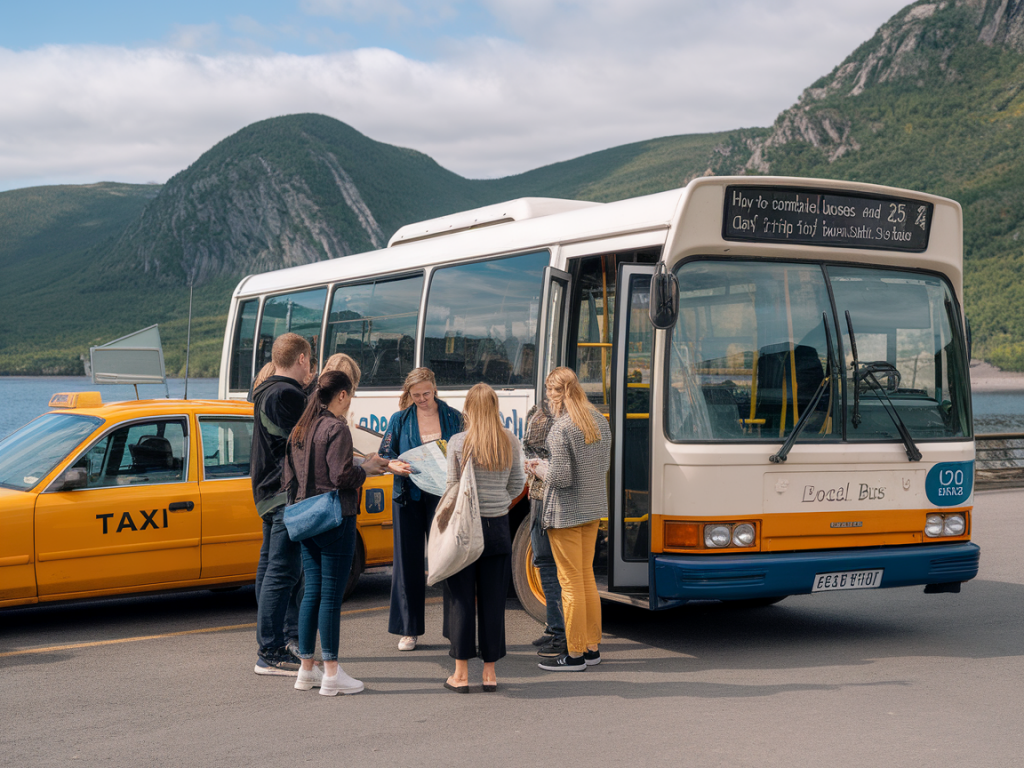
The backbone of a car‑free day here is the local bus network. Services vary by season but generally link Durness with neighbouring villages and larger hubs. I always:
- Check the bus timetable on Traveline Scotland the evening before and again in the morning.
- Download PDF timetables to my phone in case mobile signal drops.
- Keep change for fares—many buses accept contactless but not all drivers can process cards if the connection is poor.
Expect single fares to be modest (£3–£8 typical for short rural hops), though special longer routes to towns further away will cost more. If you plan multiple bus journeys in a day, ask the driver if there is a day‑ticket or return fare option—sometimes cheaper than multiple singles.
Where taxis fit in
Taxis are essential when bus routes don’t drop you where you need to be, or when you want to shorten a long walk across rough ground. I recommend:
- Booking local taxis in advance—Durness has one or two local taxi operators who know the lanes and tracks well. Keep a local number saved.
- Confirming price before you travel. Short hops (5–10 minutes) will typically cost under £10–£15; longer transfers up to Durness village or to remote car parks will be higher.
- Asking the driver for the best drop‑off for walking routes. Local drivers often suggest less obvious access points that shave minutes off your walk or give better views for photography.
Suggested itinerary (sample day)
Here’s an example I’ve used many times. Adjust to bus times and season.
- 09:00 — Arrive at Sango Sands. Walk the headland loop and explore rock platforms. Coffee from a flask or a small picnic.
- 11:00 — Catch the bus heading into Durness village (double‑check the exact stop—drivers will usually stop on request).
- 11:30–12:15 — Short wander in Durness: pop into the Post Office for a map, or the local shop for snacks.
- 12:30 — Pre‑booked taxi picks you up and drops you at the track leading to Balnakeil beach or a quieter coastal access point.
- 13:00–16:00 — Explore Balnakeil: dunes, seal watching from the edge, the old Balnakeil Church and cemetery, and a long beach walk if the tide is favorable. Late afternoon light is often beautiful for photos.
- 16:30 — Taxi back to Durness (or if you timed a bus, walk to the nearest bus stop). Buses home in the evening are often limited—don’t miss the last service.
Safety, tides and seasonal considerations
Tides matter here—some coastal routes or rock platforms can be cut off at high tide. I always carry a tide table (or use the BBC tide app), and plan any rocky traverses for low tide. Weather changes quickly: bring waterproofs and layers even on sunny mornings.
Respect nesting birds and sensitive dune vegetation—avoid trampling marram grass and watch for seasonal restrictions (look for signs or check with local rangers). Keep dogs on leads in breeding season; croft livestock may be present in summer.
What I pack for a zero‑car day
- A lightweight daypack (Osprey Daylite or similar).
- Water, snacks, and a thermos. There are few cafés open year‑round.
- Weatherproof layers, hat, and gloves depending on season.
- Good boots for wet rocks (Salomon, Meindl or similar). Flip‑flops are for the beach only.
- Phone with offline maps, a power bank, and a paper map as backup.
- Binoculars for seals and seabirds, and a camera (I shoot with a mirrorless body and a 24‑70mm for landscapes, plus a 70–200mm for wildlife).
Photography tips for both ends
Sango Sands favours wide, dramatic compositions—include the sweeping bay, cliffs and any foreground rocks for scale. Balnakeil’s dunes and old cemetery offer intimate, textured frames. Midday light can be harsh; aim for golden hour or use neutral density filters to smooth surf. I always bring a microfibre towel—sand gets everywhere.
Practical money and local services
There’s limited card acceptance in some remote shops and cafés—carry some cash. If you rely on taxis, confirm if drivers accept card. For the most up‑to‑date bus info and timetables, use Traveline Scotland or the Stagecoach North Scotland page. If you’re unsure about taxi numbers, the Durness Community Facebook group and local noticeboards are great resources—locals are generous with tips and may volunteer lift shares in quieter months.
Leave no trace and be a considerate visitor
Pack out what you bring, stick to marked paths where fragile plants grow, and respect private land and crofting activities. Small choices—tucking a dog away from nesting areas, not lighting fires on dunes, and keeping to bus timetables—help maintain the wild character of Sango Sands and Balnakeil for everyone.
If you want, tell me your planned date and I’ll check typical bus frequencies for that season and suggest precise pickup windows. I love plotting car‑free days here—the coast rewards a bit of patience, and the journeys between places often become as memorable as the destinations.