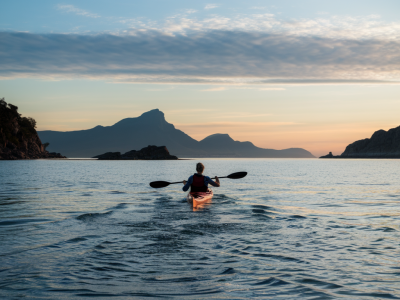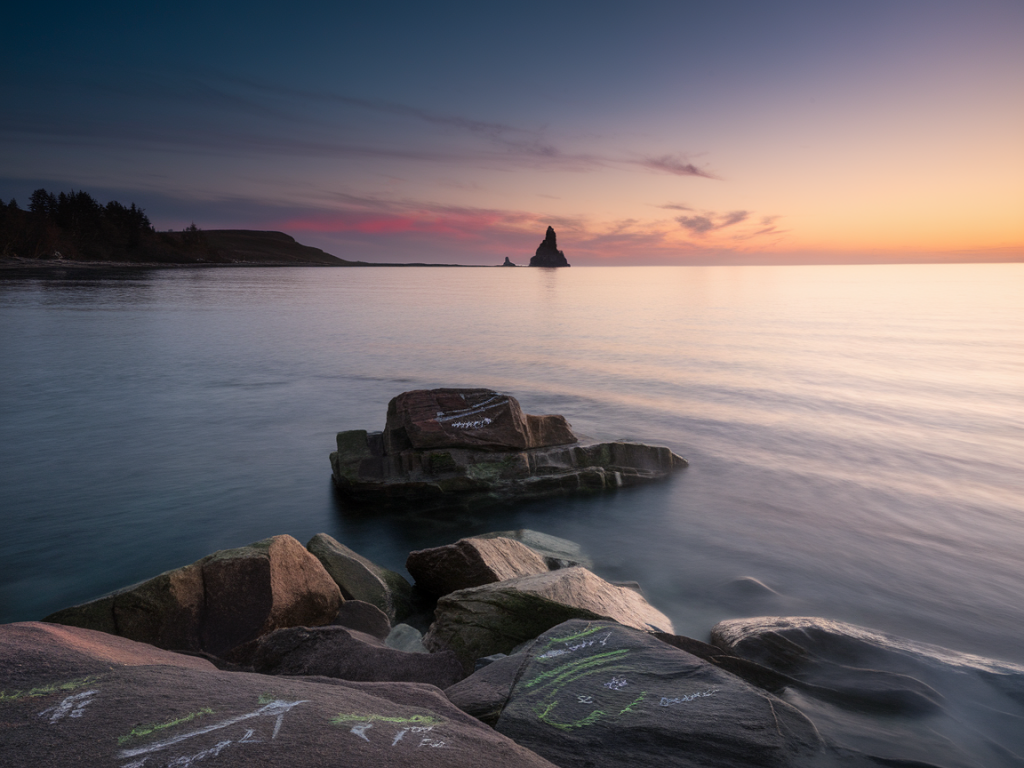
I know the draw of a lone sea stack at first light—the way the water steals the colours from the sky and the cliffs hold their breath. One of my favourite quiet sunrise sessions near Durness is at the Croick sea stack (local crofting name: "Croick" rather than the Croick near Inverness), a dramatic slab of rock standing off a sweep of shingle and grassy cliffs. Below I’ll tell you exactly where to park and how to walk in, with step‑by‑step directions, tide considerations, safety notes, and photography tips so you can get there with minimal fuss and maximum light.
Where to park
Park at the small layby on the single‑track road between Durness and Sangobeg—GPS: 58.5668 N, -4.8201 W (I use these coordinates on my phone and they’re accurate for most satnavs). The layby is big enough for 2–3 cars and sits just before a steep little dip where the road hugs the cliff. There’s no formal car park or facilities—expect grass, stones, and the occasional sheep grazing nearby.
When I arrive before dawn I always leave one headlamp on inside the car to avoid tripping over things while I kit up. If you’re arriving later in the day, park sensibly, avoid blocking access for landowners, and don’t park on soft verges.
Step‑by‑step walk directions
The walk from the layby to the Croick sea stack is roughly 1.2 km each way and takes about 20–35 minutes depending on footing and how many photo stops you make. Follow these steps:
I keep my route flexible—sometimes I descend to the beach and approach the stack within 50 metres, other times I stay elevated for a wider scene. Both work; it depends on the tide, surf, and wind direction.
Tide and timing notes
Tides determine your options here. The shingle beach contracts dramatically at high tide and the water can reach close to the base of the cliffs in spring tides. For a safe and photogenic sunrise session aim for low to mid‑tide. Here’s a simple guide I use:
| Tide window | Why it matters |
| Low tide (-2 to -0.5m) | Exposes the widest shingle and rock platforms; allows close approach and foreground compositions. |
| Mid tide (-0.5 to +0.5m) | Good for showing waves breaking around the stack; watch for strong backwash on pebbles. |
| High tide (+0.5m and above) | Beach narrows; access to lower vantage points may be cut off. Best to stay on the cliff edge. |
Check local tide tables for Durness (I often use the UK Hydrographic Office or reliable apps like MagicSeaweed/TideTimes). Sunrise times change fast in the shoulder seasons—arrive at least 45 minutes before sunrise to set up, find compositions, and observe light changes. In summer, light can be soft earlier; in winter aim for maximum thermal layers and allow extra time for icy paths.
Safety and access considerations
This is remote and exposed terrain. I treat it with respect and recommend you do the same:
Access: This area is mostly open access under Scottish law, but some crofts and fields nearby are privately used. Don’t block gates, close any gates behind you, and be courteous to livestock and crofters.
Photography tips to get the best light
I go through a short mental checklist before I shoot at Croick:
Remember to bracket your exposures at sunrise—light changes quickly. I often shoot an exposure for the sky, another for the foreground, and a mid exposure to blend if needed in post. If there’s fog or lichen on the rocks, emphasise texture with side light as it lifts off the surfaces.
Wildlife and seasonal notes
Early morning is quieter for people but busy with wildlife. Look for seabirds—kittiwakes, guillemots, and fulmars nest on nearby cliffs in summer. In autumn and winter you may see eiders and other diving ducks offshore. If there are seals on the shingle, keep distance; they can look docile but will haul out to rest and should not be disturbed.
Seasonal tip: spring lambing and nesting season means quieter access is appreciated by crofters and wildlife. Keep dogs on a lead from April to July and follow local signage.
Practical kit and final logistics
My standard kit list for a sunrise shoot here:
Once you’ve finished, take a moment to check the area for any litter and to enjoy the quiet—this stretch of coast can feel entirely your own at dawn, and treating it gently ensures it stays that way for others.
If you want more practical guidance, route maps, or seasonal updates I keep on top of at Hillside Durness Co, visit https://www.hillside-durness.co.uk—I post detailed walk updates and tide alerts there so readers can plan safe, respectful visits. I’d love to hear about your Croick photos if you try this spot—tag the hillside account or drop me a line and tell me what light you caught.