Why I chose alternatives: transport options in Madeira without renting a car
When I first planned my trip to Madeira, I nearly booked a rental car out of habit. Then I remembered the steep, narrow roads and the joy I find in slow travel. I spent a week moving around the island without driving, and that decision shaped everything I saw and felt. If you’re asking how to get around, start with this: options de transport à Madère sans louer de voiture—there are more of them than you might expect, and they can be efficient, scenic and surprisingly freeing.
Buses: the backbone of island travel
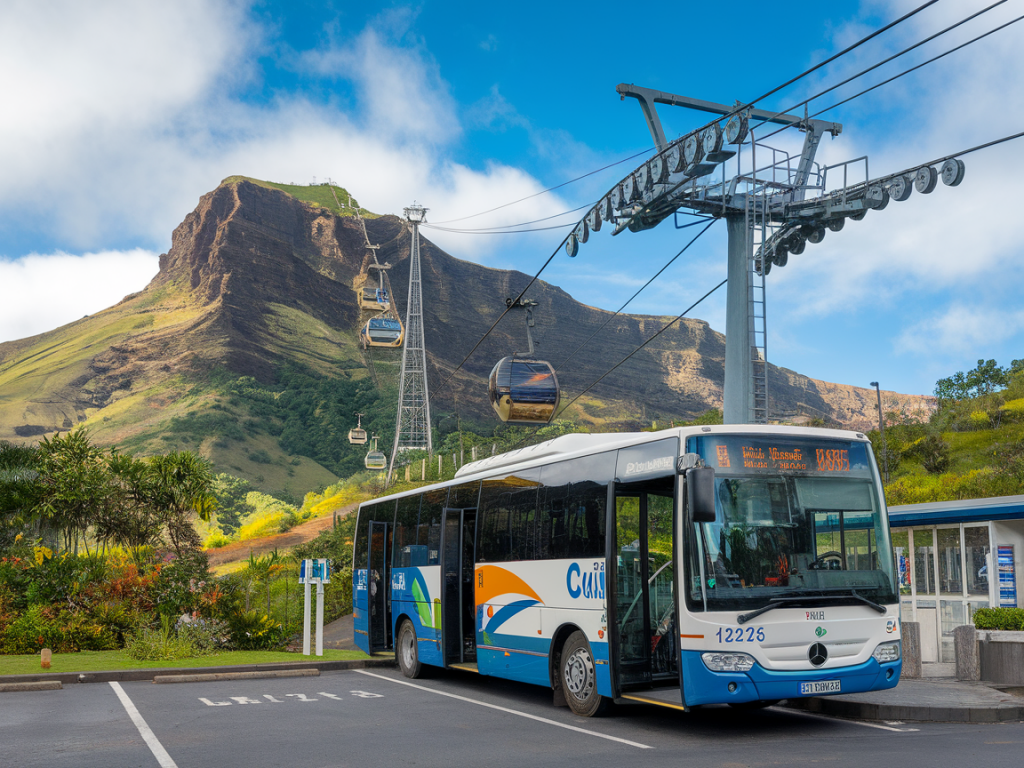
Buses are the most practical choice if you don’t want to drive. Madeira has both intercity and local services; in Funchal I relied a lot on the main operators (look for Horários do Funchal and Rodoeste). Routes connect Funchal to Câmara de Lobos, Ribeira Brava, Santana and up to Porto Moniz along the north coast. On mountain roads, buses are frequent enough for popular corridors but less regular to tiny villages—plan accordingly.
What I learned quickly:
- Buy tickets on board: Most buses accept cash and issue a receipt. In Funchal you’ll also find season tickets and electronic options—ask at the main station.
- Timetables matter: Download or photograph the schedule. Weekend and off-season services can be sparse.
- Comfort varies: Some intercity coaches are modern and air-conditioned; smaller local buses are compact but functional.
Cable cars (teleféricos): transport with a view
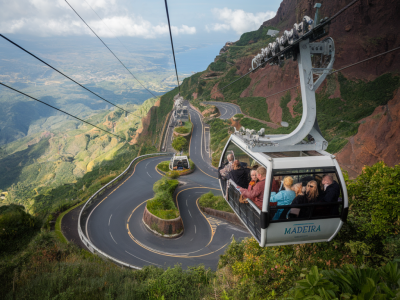
The cable car is both practical and irresistible for photographers. The best-known line climbs from Funchal harbour to Monte—this ride gives you a bird’s-eye intro to the city and a fast ascent without the hairpin driving. I hopped off at Monte to wander its gardens and then took one of the famous basket toboggans back down (a touristy but unique experience).
There are other cable-car or funicular links on the island—check locally for seasonal lines and new routes—each offers a quiet, scenic, and pedestrian-friendly way to gain elevation quickly. For me, the teleférico was the perfect pause between bus journeys: sit back, breathe, and reorient to the island’s volcanic contours.
Taxis, shared shuttles and private transfers
Taxis are expensive compared with buses but they are indispensable for early departures, late arrivals, or reaching remote trailheads. I used a taxi once to catch a sunrise viewpoint when bus schedules wouldn’t cooperate. Shared shuttles and pre-booked transfers are a good compromise—cheaper than private taxis and more flexible than public buses.
- Agree fare or use the meter: For longer trips, ask for an estimate. Airport fixed fares are common between the airport and Funchal.
- Shared transfers: Ideal for groups or hikers going to levada trailheads; book through guesthouses or local providers.
Ferries and coastal hops
Madeira’s coastal wiring means ferries aren’t the main intercity option, but there are boat trips and occasional water taxis that connect certain points or offer day excursions to places like Porto Santo or to coastal viewpoints. For the adventurous, a sea crossing gives a different perspective on cliffs like Cabo Girão.
Walking, levadas and hiking as transport
On an island famed for levadas, walking isn’t just recreation—it’s a way to move between villages and viewpoints. I often planned days where public transport deposited me at a trailhead and I walked to the next village, then caught a bus back. This blend of bus + hike is uniquely rewarding and aligns with the hillside, slow-travel ethos of Hillside Durness Co.
Practical tips:
- Check distance and altitude: some levada paths are long and involve steep climbs at endpoints.
- Bring water and crampons in wet sections—Madeira’s weather changes fast.
- Use guesthouse or local tourism offices for route updates and safety advice.
Practicalities: tickets, schedules and language
Here’s a compact checklist I carry in my phone and wallet whenever I travel without a car:
| Item | Why it helped me |
| Screenshots of bus timetables | Avoids dependence on spotty mobile signal |
| Local transport app or company names | Quick lookup for routes and fares (Horários do Funchal / Rodoeste) |
| Small change (coins) | Many drivers prefer cash for small journeys |
| Portuguese phrases | “Um bilhete para...”, “A paragem mais próxima?” is useful |
Safety and seasonality
Madeira’s climate can be micro-local—Funchal bathed in sun while higher altitudes are misty. Buses on mountain roads slow during rain; cable cars may close in high winds. I always checked weather forecasts and asked my guesthouse host for last-minute advice. If you plan to hike between bus stops, build in buffer time and a fallback taxi number.
How I planned my days without a car
My pattern was simple and repeatable: choose one base (I stayed in Funchal), pick two destinations within reachable bus range for day trips, and weave in a cable car ride and at least one levada walk. I mixed public buses for long stretches with short taxi hops where timetables didn’t fit. This gave me a slow, intimate sense of the island without the stress of navigating its roads.
Costs and value
On paper, renting a car can look cheaper for a group, but when I tallied fuel, parking and the worry factor, the bus-plus-cable approach won for me. You pay more in time sometimes, but you gain landscape, conversation with locals and a relaxed rhythm that suits walking and photography—the exact things I write about and chase in the Highlands and on islands.
Final practical resources I used
- Local bus operator pages for timetables and route maps
- Tourist information centres in Funchal for current advisories
- My guesthouse and host recommendations for reliable taxi numbers and levada conditions