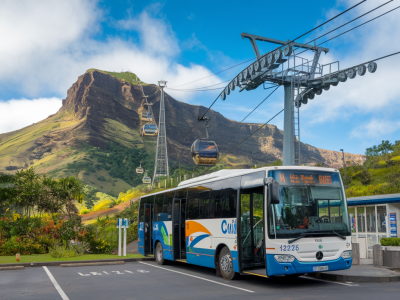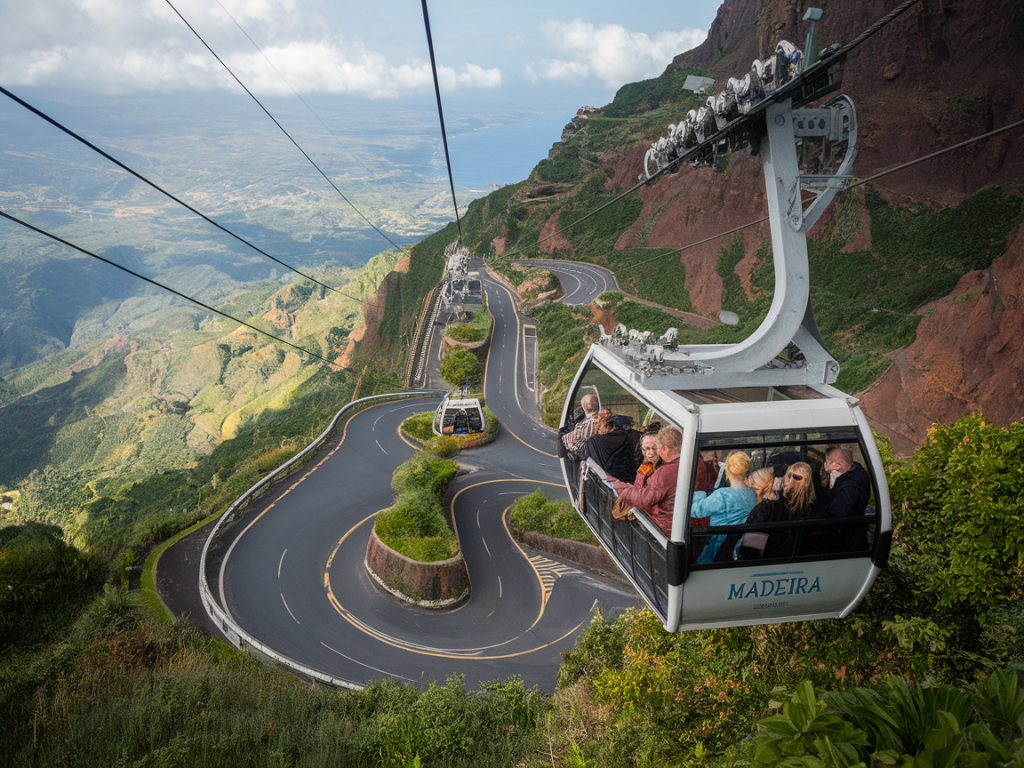
I arrived in Madeira with the same curiosity I bring to every remote coastline: eager to hike, to find hidden viewpoints and to move at my own pace—only this time I planned to do it without a car. What followed was a rewarding mixture of rhythm, patience and discovery. If you’re wondering about options de transport à Madère sans voiture, I’ll walk you through the practical choices I tried, the little tricks that saved me time and money, and the best ways to combine buses, cable cars and local services to keep your trip flexible and scenic.
Why consider getting around Madeira without a car?
For many of us who love slow travel, leaving the hire-car behind is a deliberate choice. Madeira’s roads are dramatic—steep, winding and, in places, very narrow. Going car-free means I could focus on the landscape, enjoy conversations with locals on buses, and not worry about parking or unfamiliar mountain driving. It also forces you to plan—some routes are less frequent—but it opens up authentic travel moments: taking a cable car that climbs above terraced gardens, waiting at a cliffside bus stop to watch the light change, or chatting with a driver who knows the best viewpoints.
Public buses: backbone of transport on the island
Madeira’s bus network is extensive and covers the main towns and many coastal and valley routes. Companies like Rodoeste, Horários do Funchal and SAM service different zones—do check which operator runs the route you need. From my base, I used buses to reach levada trailheads, beaches and the main towns. Expect schedules to be more frequent around Funchal and less so in remote villages.
Practical tips I learned:
Cable cars and funiculars: transport that’s also a viewpoint
Cable cars in Madeira are more than novelty rides—they’re legitimate transport options that connect different elevations while offering spectacular views. I took the Funchal cable car to Monte on a clear morning; the ascent is a gentle way to gain elevation and start a ridge walk or visit the Monte Palace. Similarly, the old Monte to Largo do Monte downhill toboggan run is an experience in itself if you’re after something local and lively.
Why I liked using cable cars:
Levada walks, transfers and regional minibuses
One of Madeira’s biggest draws is the network of levadas—irrigation channels surrounded by walking paths. Many of the best levadas begin outside Funchal, so I used a mix of regional buses and private shuttle services to reach trailheads. Small minibuses operated by local companies often serve remote starting points, and some guesthouses will arrange pickups for you.
If you plan several hikes, consider these approaches:
Combining modes: a typical day without a car
Here’s a blueprint of how I combined services for a full day: I took an early bus from Funchal to the start of a levada trail, hiked mid-morning, then took a cable car down into a neighboring district for lunch. After exploring the old town and a local market on foot, I caught an evening bus back. The combination of bus and cable car made the day seamless—no tickets required for the cable car if you planned a round trip, and I booked my return bus on the same day to avoid waiting.
Costs, passes and budgeting
Transport in Madeira is generally affordable, but costs add up if you plan many single-ticket bus rides or frequent cable car trips. I recommend:
Accessibility and comfort considerations
If you travel with mobility concerns, be aware that not all bus stops or levada paths are wheelchair-friendly—many levadas are narrow with uneven surfaces. Cable cars and major buses are generally accessible, but always confirm in advance. I found drivers and staff to be helpful and ready to assist when asked.
Practical packing and planning for a car-free trip
When relying on public transport and walking, packing light pays off. I brought a daypack with water, snacks, a rain layer and a lightweight tripod for photos. A pair of quick-dry walking shoes and a compact first-aid kit kept me comfortable on varied terrain. I also downloaded maps and bus timetables for offline use—the island’s coverage is good, but you don’t want to be caught without info.
Quick comparison table of main options
| Transport | Best for | Frequency/Availability | Notes |
| Buses | Budget travel between towns and levada trailheads | Frequent in Funchal, less in rural areas | Buy local cards where possible; check schedules |
| Cable cars | Scenic elevation changes, city-to-hill connections | Regular (tourist routes) | Great photo ops; useful for avoiding steep climbs |
| Minibuses/Guided shuttles | Remote trailheads, tailored transfers | On-demand or by reservation | Often arranged by guesthouses or guides |
| Taxis | Late-night returns or tight connections | Widely available in towns | Good for short gaps; negotiate or use meter |
Local tips I picked up on the road
Ask locals about seasonal changes—routes that are fine in summer may have closures in winter. Try to travel a little outside peak hours for a quieter bus experience. And when you meet bus drivers or fellow passengers, ask about the best viewpoints; some of my favourite stops were simple clifftop pull-offs recommended by drivers.
Traveling Madeira without a car turned out to be an invitation to slow down and notice details I might otherwise have missed. The island’s transport scene requires a bit more planning, but it rewards patience with unexpected encounters, spectacular rides and the calm of moving deliberately through a wild, compact landscape. If you want route ideas or specific levada suggestions I tried, I’m happy to share the itineraries that worked best for combining buses, cable cars and local transfers.