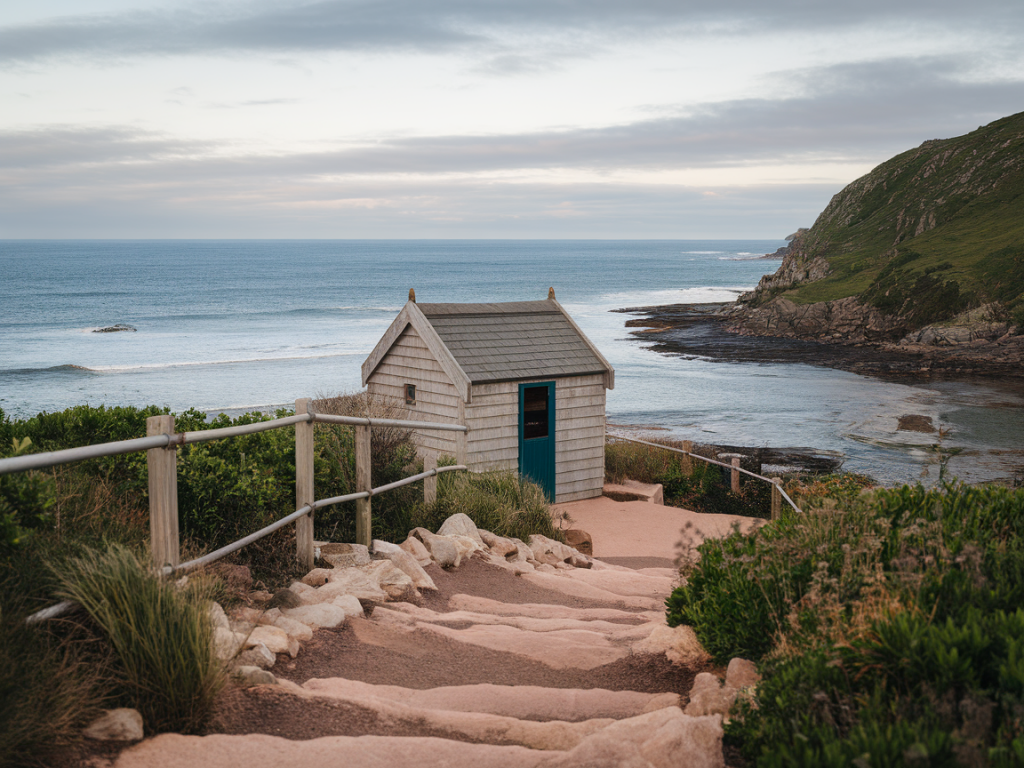
I love turning a single night under canvas into a tiny expedition that still feels like a real escape — especially with kids in tow. A family-friendly bothy-to-beach micro-adventure is one of my favourite ways to show children the Highlands: a short hike, a cosy bothy (or simple shelter), a day of sand and rock-pooling, then a night listening to surf and stars. Below I share the practical routes, timings, and the child-safe choices I make every time I plan one of these trips from the Durness area.
Why a bothy-to-beach micro-adventure works for families
There are three reasons I recommend this format to families. First, it keeps travel light and flexible — you don't need multi-day gear or weeks of time. Second, the promise of a beach the next morning motivates children better than distant summits. Third, bothies (or simple wind shelters) give you a sheltered hub: somewhere to dry wet kit, cook a proper meal, and sleep without needing to pitch tents in unpredictable coastal winds.
In my experience, the most successful family micro-adventures are short on tricky terrain, predictable in timing, and generous on simple comforts: a sheltered fire spot, a sheltered corner off the wind, and a flat place to lay a sleeping pad. I always plan with a few safety-first assumptions: daylight planning, awareness of tides, and a conservative hiking timetable.
How to choose a bothy or shelter
When I'm choosing a bothy for a trip with my kids I look for:
Note: always check access rules. Some coastal crofting land has specific local guidelines and seasonal restrictions for camping or shelter use. I text or call local rangers or crofters when I can for the latest advice.
Essential kit for family micro-adventures
We travel light but smart. Here’s what I pack on top of standard day-hike clothing:
Timing and tide planning — my non-negotiables
Tides and daylight determine whether a bothy-to-beach plan is easy or hazardous. I always:
Three family-friendly route templates (Durness area)
Below are three micro-adventure templates that I use as a base. Each one is child-tested and adaptable. Distances and times are approximate and assume a family with young children.
| Route | Distance (one way) | Estimated time | Difficulty (child-safe) |
|---|---|---|---|
| Coastal car-park to sheltered bothy + sandy bay | 1–3 km | 30–75 mins | Easy — mostly level, well-marked paths |
| Short headland walk to stone shelter + pebble cove | 3–5 km | 1–2 hours | Moderate — some rocky ground, avoid on very windy days |
| Low-level crofting trail to woodland shelter + estuary beach | 2–4 km | 45–90 mins | Easy-Moderate — possible muddy patches |
What we do on the beach and how I keep it child-safe
Once we reach the shore I plan activities that are engaging but safe:
Cooking, heat and evenings at the bothy
Children respond well to routine, even on trips. I keep evenings simple: a hot, filling one-pot meal (pasta, dhal, or freeze-dried family meals rehydrated with hot water), a hot chocolate, then stories. If the bothy has a safe fireplace and permits fires, I bring a small axe and a saw to split a few local sticks — but only light a fire where explicitly allowed and when I’m certain it can be managed safely.
Headtorches for everyone make night-time trips to the loo quicker. I also pack earplugs for light sleepers if the surf is loud — odd as it sounds, a loud shoreline can wake children frequently.
Respectful, low-impact choices
I model leave-no-trace for my children. That means packing out all rubbish, not collecting live creatures, and avoiding the removal of driftwood that might be habitat for insects and lichens. If we meet crofters, walkers or other visitors we greet them — children learn that friendly, low-impact behaviour is part of exploring.
What to do if the weather turns
Coastal weather can change fast. My rule: if winds exceed 25–30 mph or the forecast shows heavy rain and poor visibility, I postpone. If we’re already out and conditions deteriorate, I head to the bothy or nearest shelter early. I teach my kids the simple actions: put on extra layers, stay together, and follow the adult in single file on rough ground.
If you’d like, I can draft a printable packing list and a one-page tide-and-safety checklist you can take on your next family bothy-to-beach micro-adventure. Tell me the age of your children and I’ll tailor the list to your needs.