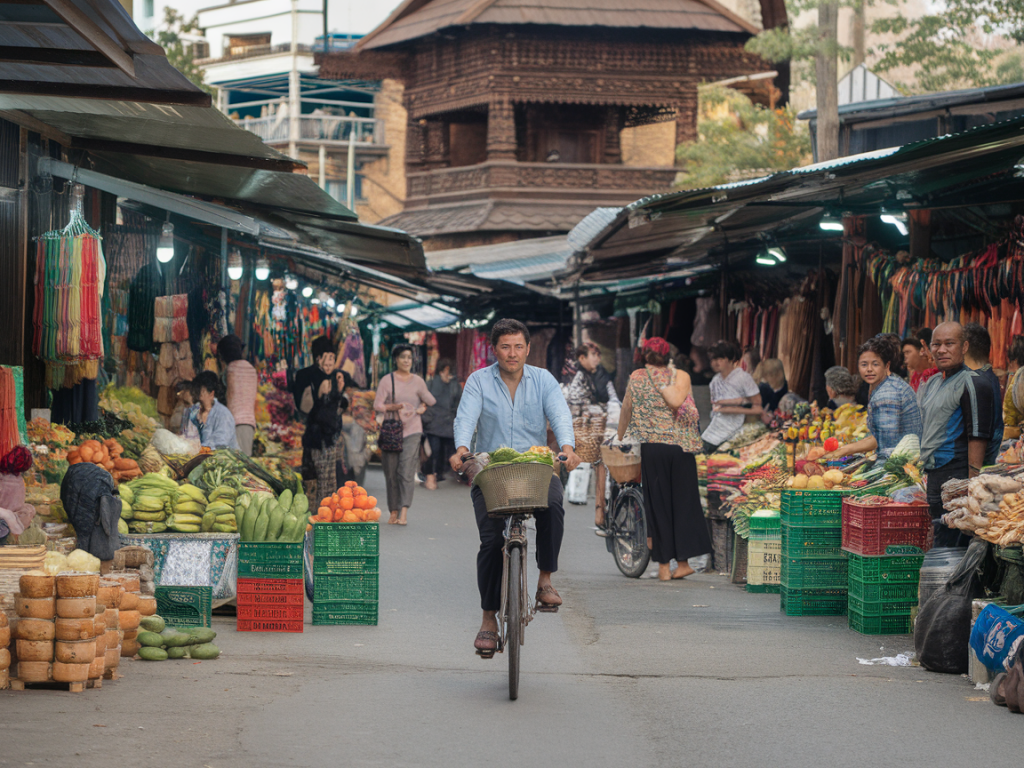
I’ve always been drawn to places that feel a little out of time, and Myanmar (Burma) is exactly that: gilded temples smeared with sunlight, slow wooden boats on Inle Lake, and towns where street life still moves at walking pace. But traveling there today requires more preparation and circumspection than a postcard photo suggests. Below I share my conseils pratiques pour voyager en Birmanie aujourdhui—practical, candid, first‑hand advice to help you plan a responsible, safe, and enriching trip now.
Why extra caution is needed now
Myanmar’s political situation since 2021 has affected transport, safety and access across the country. Borders, checkpoints and local regulations can change with little notice. I always start by checking official travel advisories and recent traveler reports before booking anything. Reliable sources include:
- UK Foreign Travel Advice (FCDO)
- US Department of State (travel.state.gov)
- IATA Timatic for entry/visa rules
Entry rules, visas and paperwork (what I check first)
Visa rules can vary by nationality and season. I always reconfirm the following items at least two weeks before travel:
| Type | Typical requirements | Notes |
|---|---|---|
| Tourist visa (eVisa) | Online form, passport valid 6+ months, fee | Apply through Myanmar eVisa portal; allow several days processing |
| Visa on arrival | Not reliable for many nationalities | Don’t rely on VOA—have eVisa printed |
| Special permits | Required for restricted areas (border regions) | Apply well in advance via Myanmar authorities or tour operator |
Practical stat: according to IATA (2024), up-to-date entry requirements change frequently—always check within 72 hours of departure.
Health, insurance and practical medical tips
I won’t sugarcoat it: healthcare outside Yangon and Mandalay is basic. Here’s how I prepare:
- Travel insurance: choose a policy that explicitly covers political evacuation, medical evacuation (medevac), and trip interruption. Many standard policies exclude conflict zones; read exclusions carefully.
- Vaccinations: check Yellow Fever (if coming from affected countries), Hepatitis A/B, Typhoid, Tetanus, and consider malaria prophylaxis for rural areas—ask a travel clinic.
- Medicines: bring a well‑stocked kit (antidiarrheal, antibiotics prescribed by your doctor, oral rehydration salts, insect repellent with DEET, sunscreen).
- COVID-19: routine precautions remain sensible; check airline and entry rules, though most countries have relaxed mandatory testing.
Safety on the ground: navigation, protests and local sensitivities
From my trips and conversations with local guides, these patterns emerged:
- Avoid demonstrations and large gatherings—these can turn unpredictable. Keep a low profile and stay informed via local news and embassy alerts.
- Transport disruptions: buses and domestic flights can be cancelled or delayed. I always allow flexibility—add buffer days to itineraries.
- Respect photography limits—military installations, checkpoints, airports and some bridges are sensitive areas. When in doubt, ask.
Quick stat: in recent years, several airlines have suspended or limited routes in central Myanmar—confirm flights 48–24 hours before departure.
Money, cards and connectivity
Cash rules in many places. Here’s my wallet checklist:
- Carry US dollars and local kyat. Larger hotels and some tour operators accept dollars, but local markets and rural guesthouses prefer kyat.
- ATMs: available in major cities but unreliable outside them. Plan cash withdrawals in Yangon or Mandalay.
- Cards: Visa is more widely accepted than Mastercard; always carry a backup card.
- SIM cards: local SIMs are inexpensive and provide decent data in populated areas. Bring an unlocked phone and a passport photocopy to buy a SIM.
Transport options and realistic timings
I like slow travel—but you need to be realistic about distances. Typical examples:
- Yangon to Bagan: by air ~1 hour; by road ~8–10 hours depending on conditions.
- Inle Lake to Mandalay: air + road ~3–4 hours total; by road 8–10 hours.
- Internal flights: quickest option, but check schedules; book early, especially for festive seasons.
| Mode | Pros | Cons |
|---|---|---|
| Domestic flight | Fast, comfortable | Can be cancelled; fluctuating schedules |
| Private car/driver | Flexible, scenic | More expensive; road quality varies |
| Bus | Cheap, frequent | Long journeys, comfort varies |
| Boat | Essential for river travel, beautiful | Slow; affected by seasonal water levels |
Responsible travel and cultural etiquette
Myanmar’s communities are proud and deeply cultural. I always follow these practices:
- Dressing modestly at temples—shoulders and knees covered; remove shoes and socks before entering pagodas and private homes.
- Ask permission before photographing people—especially monks, children, and in rural settings.
- Support local businesses: choose family-run guesthouses, community guides, and local eateries.
- Environmental care: avoid single-use plastics, respect wildlife rules, and follow leave-no-trace principles.
Where I go (and where I avoid)
My travels focus on accessible, culturally rich areas where I can travel with minimal risk. Typical safe/accessible highlights:
- Bagan—temple plains at sunrise and sunset, locally run B&Bs.
- Inle Lake—stilt villages and floating gardens; opt for small boat operators recommended by guesthouses.
- Ngapali Beach—quiet coastline with resorts and simple seafood restaurants.
- Yangon—Shwedagon Pagoda, colonial streets, and markets.
Areas I avoid or leave to specialist operators: border regions (e.g., Rakhine state, parts of Kachin and Shan), and any area under active conflict. If you must visit restricted zones for research or volunteering, coordinate with embassies and vetted NGOs.
Packing list I never travel without
- Photocopies of passport, visa and emergency contacts (stored separately)
- Portable battery pack, travel adapter (UK-style and USB), flashlight
- Lightweight rain jacket (monsoon season can bring sudden downpours)
- Comfortable walking shoes and a sarong/scarf for temple visits
- First aid kit plus any personal prescriptions (6–8 weeks supply)
Sample 10-day itinerary (flexible)
This is the kind of route I personally prefer for a balanced trip:
- Days 1–2: Yangon—acclimatize, Shwedagon, colonial downtown
- Days 3–5: Bagan—temple biking, sunrise balloon (if operating), local workshops
- Days 6–7: Inle Lake—boat tour, weaving villages, Nyaung Shwe markets
- Days 8–10: Ngapali Beach or Mandalay—relaxation or cultural sites
Costs and budgeting
Myanmar remains relatively affordable, though prices vary by standard:
- Daily budget (budget traveler): US$35–50 (guesthouses, street food, buses)
- Daily budget (mid-range): US$70–150 (comfortable hotels, guided tours)
- Guided day tours: US$25–100 depending on activity
Note: inflation and exchange rate swings can change these numbers—carry extra cash as buffer.
Useful resources and further reading
For planning and safety I rely on these up-to-date sources:
- UK Foreign Travel Advice: gov.uk/foreign-travel-advice/myanmar
- US State Department travel advisories: travel.state.gov
- IATA Timatic (entry/visa rules): iatatravelcentre.com
- Local insights and tour operators: search for community-based operators in Bagan and Inle Lake for ethical options
Frequently asked practical questions (brief answers)
- Is it safe to travel solo? Many solo travelers visit safely, especially women. Still, stay vigilant, avoid risky areas, and register with your embassy.
- Can I use rideshare apps? Rideshares are limited; taxis and arranged hotel pickups are common. Negotiate fares or insist on the meter.
- How’s the food? Delicious and varied—try mohinga, tea leaf salad (lahpet), and fresh seafood. Stick to cooked foods and bottled water if you’re sensitive.
If you’d like, I can sketch a day‑by‑day itinerary tailored to your travel dates and interests (temples, trekking, coastal rest), or recommend trusted local operators I’ve met who run small, community-minded tours.