I still remember the first time I wandered through the narrow lanes around the old ramparts and thought: this is how Corsica begins to tell you its story. If you want to visiter le cœur historique de Porto-Vecchio, you’re in for a delightful mix of salty air, stone alleys, and surprises at every turn. In this guide I walk you through what to see and do, how to move around, and the small practical details that save time and help you enjoy the town like a curious local.
Why the historic heart of Porto-Vecchio deserves a slow visit
Porto-Vecchio’s old town is compact—roughly 0.5 km² of tightly packed streets—yet it holds centuries of history and a vibrant daily life. You’ll find 16th-century houses, former fortifications, an atmospheric citadel, and lively squares where cafés spill onto the pavement. I always recommend allocating at least half a day for a first visit and a full day if you want to linger at museums, sample local cuisine and photograph the light as it moves across the terraces.
How I plan my visit: practical tips
- Timing: Arrive early (8:30–10:30) to enjoy quiet streets and cooler temperatures, especially in summer.
- Footwear: Wear comfortable shoes—cobblestones and steep stairways are part of the charm but can be tricky.
- Parking: Several paid car parks sit just below the ramparts; expect a 5–15 minute walk to the center.
- Language: French is the default, but many shopkeepers and restaurant staff speak some English; a few Corsican words like "salute" (hello/cheers) go a long way.
- Cash & cards: Most places accept cards, but keep small change for market stalls and tips.
Top sites and must-do experiences when you visiter le cœur historique de Porto-Vecchio
Below I list the places I return to again and again, with suggested timing and what makes each spot memorable.
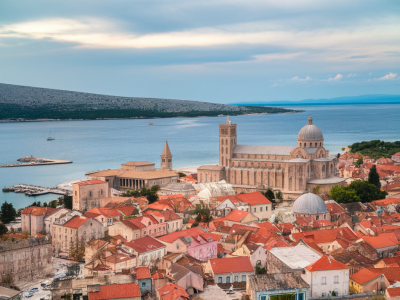
- The Citadel and ramparts — Start here to get your bearings. Panoramic views over the marina and mountains; great sunrise/sunset spots.
- Église Saint-Jean-Baptiste — Modest but atmospheric; step inside to glimpse local religious art.
- Place de la République — The social heart: cafes, people-watching, and occasional markets.
- Veteran wharves and the old port — Stroll where fishing boats and yachts share the water; watch fishermen and restaurateurs negotiate the day’s catch.
- Local artisan shops — From handwoven textiles to my favorite confitures and local cheeses, artisanal treats are great souvenirs.
- Street food and markets — Try beignets, cheeses, charcuterie, and chestnut sweets at the market (seasonal).
Walking routes I use
Here are three short routes I often recommend, depending on how much time you have.
| Route | Duration | Highlights | Difficulty |
|---|---|---|---|
| Quick loop | 30–45 minutes | Citadel views, Place de la République, main cathedral | Easy |
| Market and craft trail | 1.5–2 hours | Local market, artisan shops, tasting stops | Easy |
| Historical deep-dive | 3–4 hours | Museums, ramparts, old port, nearby viewpoints | Moderate (stairs) |
Food, cafés and where I eat in the old town
Food is one of the quickest ways to understand a place. My rule is to try at least one full Corsican plate (charcuterie, brocciu cheese preparation, seasonal vegetables) and a seafood dish close to the port. Below are my usual picks:
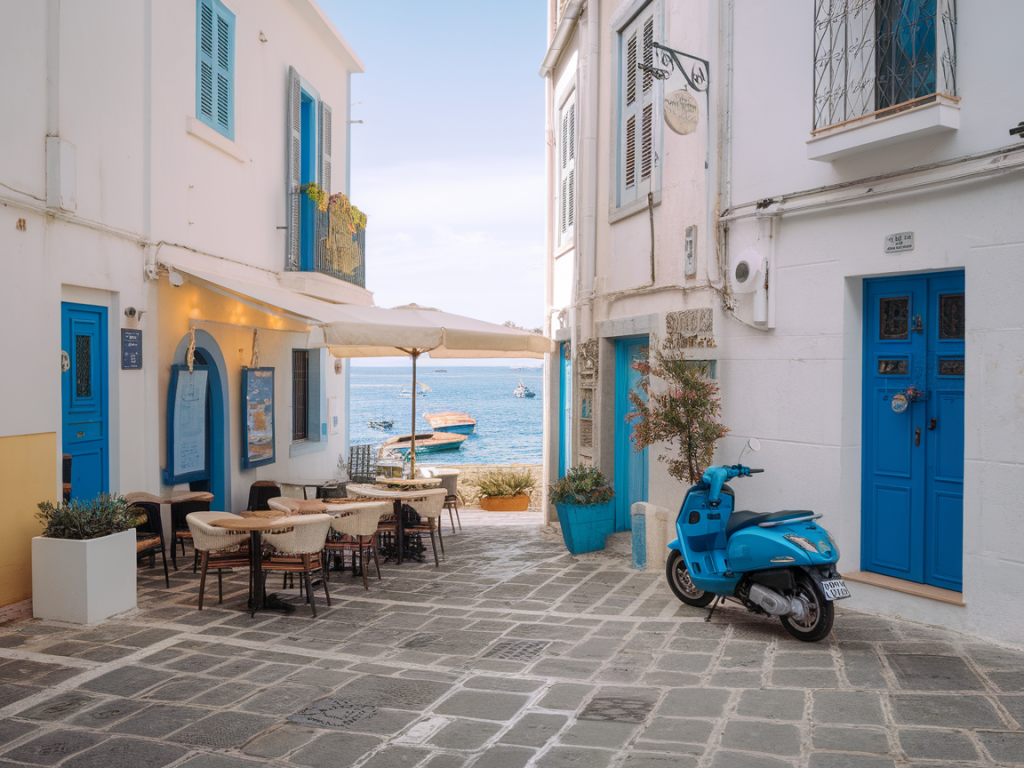
- Breakfast: A café and croissant at a terrace facing the square—perfect for people-watching.
- Lunch: Small bistro for seafood or pasta with local olive oil.
- Snack: Street-market samples: fig jam, chestnut-based sweets, local honey.
- Dinner: A restaurant with a terrace near the harbor; reserve ahead in high season.
Photography and best times to shoot
I tend to return to the same corner of the ramparts multiple times because the light changes the mood so rapidly. Best times:
- Golden hour (sunrise & sunset): Great for warm stone textures and silhouettes of the citadel.
- Early morning: Empty streets and soft light; ideal for architectural details.
- Blue hour: Harbor lights and evening terraces create a cozy atmosphere.
Accessibility and mobility considerations
The historic core is shaped by its age—narrow alleys, stairs, and cobbles. If you have mobility concerns, plan to:
- Park as close to the lower gates as possible.
- Identify flat cafés and restaurants in advance (many have limited step-free access).
- Contact museum staff ahead of time about ramps or assistance.
Local culture, events and what I look out for
Corsican towns pulse with events—concerts, pop-up markets, and religious festivals. When I visit I always check the municipal cultural calendar (Mairie) and local posters for:
- Summer music festivals — free concerts in squares.
- Markets — weekly and seasonal markets featuring producers from the region.
- Patron saint days — local processions and costumes give real insight into traditions.
Quick stats and facts I find useful
- Historic center area: ~0.5 km² (compact, walkable).
- Recommended visit time: 3–6 hours for a relaxed experience.
- Average summer temperature: 25–30°C (77–86°F); bring sun protection.
- Number of main viewpoints within the old town: 4 (citadel & three harbor-facing terraces).
Resources and further reading
For planning and specifics I check official and trusted sources before every trip:
- Centre ville Porto-Vecchio — Corse Tourisme (tourist information)
- Porto-Vecchio — Wikipedia (history & overview)
- Regional tourism portals for calendar and logistics (example regional resource)
Safety, sustainability and respect
I travel slowly and respectfully. Some quick guidelines I follow when I visiter le cœur historique de Porto-Vecchio:
- Leave no trace: avoid littering and prefer reusable bottles.
- Support local: buy from artisans and eat at family-run restaurants.
- Respect private property and quiet hours — Corsican evenings can be restful for locals.
My one-day sample itinerary
Here’s a simple plan I use when I have just a day in town.
- 08:30 — Coffee on the terrace by Place de la République.
- 09:00 — Walk the ramparts and citadel; photo stops.
- 10:30 — Explore artisan shops and pick up treats at the market.
- 12:30 — Lunch at a port-side bistro.
- 14:00 — Visit the small museum / church interiors.
- 16:00 — Sunset walk toward the viewpoint above the marina.
- 19:30 — Dinner; finish with a digestif and nighttime harbor stroll.