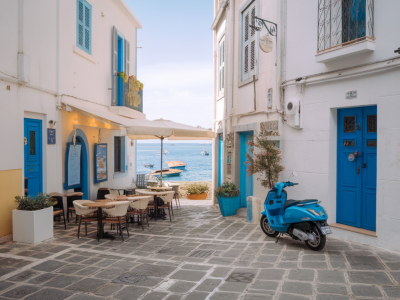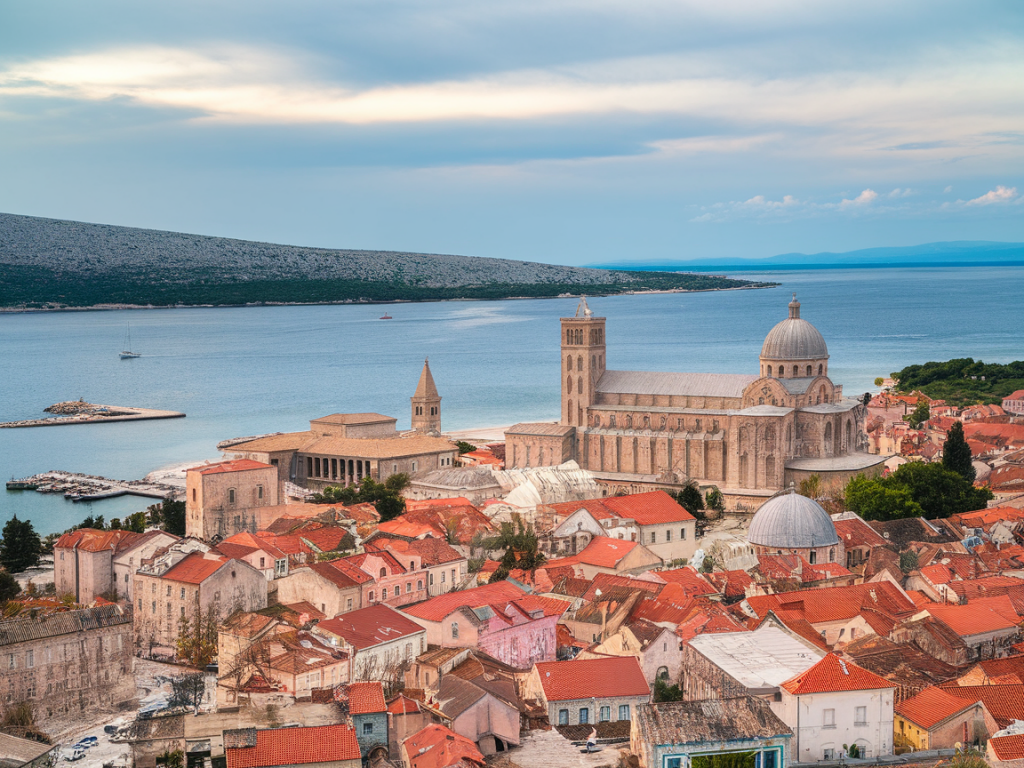
I still remember stepping off the bus into Zadar’s old town and feeling the particular hush that comes from stone streets shaped by centuries of Adriatic wind and commerce. If you’re planning to visiter Zadar et ses environs, I’ll walk you through what I consider the essential experiences, practical tips, and lesser-known detours that turn a good trip into a memorable one. I write from the perspective of a slow traveler who favors coastal walks, viewpoint hikes, and authentic local encounters—so expect route ideas, timing estimates, and responsible-travel advice you can use immediately.
Why choose Zadar as a base to explore the region?
Zadar is compact, historically rich and superbly placed on the northern Dalmatian coast. From my experience it balances fast access to islands, national parks and quiet rural hinterlands with walkable urban charm. A few figures to keep in mind:
- Population: roughly 75,000 in the Zadar metropolitan area (2021 est.).
- Distance to Split: ~158 km by road (2–3 hours).
- Nearest national parks: Paklenica (60 km), Krka (85 km), Plitvice Lakes (130 km).
- Number of nearby islands: dozens reachable by ferry; daily lines to Ugljan, Pašman, Dugi Otok and the Kornati archipelago.
Top things to see in Zadar’s old town
The old town sits on a peninsula—compact enough to explore on foot. Here are the must-sees I always recommend:
- Sea Organ (Morske orgulje): an extraordinary acoustic installation where the sea creates music through underwater pipes—best experienced at sunset.
- The Greeting to the Sun (Pozdrav Suncu): adjacent to the Sea Organ, a 22-meter circle of glass plates that produce a light show powered by solar energy after dusk.
- Roman Forum: the city’s oldest public square; visible ruins and interpretive signs give a sense of Roman Zadar.
- St. Donatus and Zadar Cathedral (St. Anastasia): the pre-Romanesque church of St. Donatus is iconic; climb the bell tower for panoramic views.
- City walls and gates: walk the ramparts and peep through medieval gates like the Land Gate (Kopnena vrata).
Best day trips and excursions from Zadar
I’ve spent weeks using Zadar as a jumping-off point. Depending on taste—beaches, islands, hikes or waterfalls—there’s something within 90–180 minutes drive or ferry.
- Kornati Islands National Park: day cruises from Zadar take you to a lunar seascape of limestone islets—ideal for snorkelling and photography. Tip: bring water and sun protection; services on the islands are limited.
- Paklenica National Park: 60 km northeast; a paradise for hikers and climbers with canyons (Velika and Mala Paklenica) and routes from gentle walks to tough alpine trails.
- Plitvice Lakes: about 2 hours by car; one of Europe’s most spectacular freshwater systems—expect crowds but arrive early or late for quieter conditions.
- Kornati & Telašćica combo: consider a multi-hour boat tour that combines the Kornati archipelago with Telašćica Nature Park on Dugi Otok.
- Islands Ugljan & Pašman: short ferry rides—great for cycling and local tavernas (konobas).
Practical itineraries: 1 day, 3 days, and 7 days
Below are itineraries I’ve used and refined over multiple visits.
| Duration | Morning | Afternoon | Evening |
|---|---|---|---|
| 1 day | Walk old town, Roman Forum, St. Donatus | Sea Organ, Museum of Ancient Glass | Sunset at Greeting to the Sun + seafood dinner |
| 3 days | Day 1: Old town + beaches (Borik) | Day 2: Kornati day cruise | Day 3: Paklenica short hike |
| 7 days | Combine islands (Ugljan, Dugi Otok), Plitvice, Krka waterfalls, local markets | Mix of hikes, boat trips and relaxed village visits | Evenings sampling konobas and local wines |
Getting around: transport tips
From my experience the smartest approach depends on whether you want flexibility or simplicity.
- Public transport: buses connect Zadar with major towns and parks; reliable for one-way trips but check timetables in advance (less frequent on weekends/low season).
- Car rental: best for exploring inland parks (Plitvice, Paklenica). Expect narrow coastal roads; petrol/gas stations are plentiful in the region.
- Ferries and catamarans: Jadrolinija and other operators serve nearby islands—ideal for island hopping. Advance booking recommended in summer.
- Cycling: Ugljan and Pašman are cycle-friendly; you can take bikes on ferries. Within Zadar, you’ll find bike rental shops and electric-bike options.
Where I stayed and ate (real recommendations)
Accommodation choice shapes your trip: I favor small guesthouses and seafront apartments for local flavour.
- Seafront apartments near the old town—perfect for sunrise and evening promenades.
- Family-run konobas for dinner—ask for grilled fish, local olive oil and simple seasonal salads. Try pašticada if you find a traditional Dalmatian kitchen prepared.
- Local markets (Gornji grad) are great for buying fruit, cheeses and for picnic supplies before a boat trip.
Safety, seasons and responsible travel
I travel off-peak when possible. Here are practical notes drawn from repeated trips:
- Best season: May–June and September–October for warm weather and fewer crowds. July–August are busiest and hottest.
- Weather risks: Mistral-like winds can be strong; check marine weather before boat trips (Local forecasts: Croatian Meteorological and Hydrological Service).
- Responsible travel: respect marine protected areas, avoid anchoring on seagrass meadows (Posidonia oceanica), and use refillable bottles; local water is potable.
Costs and budgeting
As a travel writer who tracks value closely, here are average prices (summer 2024 ballpark):
- Meal at a mid-range konoba: €12–20 per person
- Day cruise to Kornati: €50–80
- Car rental (compact): €35–60/day (weekly rates lower)
- Entrance Plitvice National Park: €10–30 depending on season and route
Hidden gems I keep returning to
Some experiences aren’t in guidebooks, and I’ve returned to them time and again:
- Dugi Otok’s Sakarun Beach: a fine white-sand stretch with shallow aquamarine water—arrive early in summer.
- Local olive groves near Benkovac: small producers welcome visitors—olive oil tasting is a delightful way to understand Dalmatian gastronomy.
- Evening walk to the Zadar waterfront’s old cannon batteries: lesser crowded and rich in views of incoming ferries and distant islands.
Useful resources and further reading
For planning I consult a mix of official info and local guides. Useful external resources I use regularly:
- Croatian National Tourist Board — practical national-level info and events.
- Zadar Tourist Board — timetables, events and local alerts.
- Jadrolinija — ferry schedules and island connections.
Quick checklist before you go
- Book key day trips in advance (Kornati cruises sell out mid-summer).
- Pack reef shoes and snorkel gear if you enjoy snorkeling—some coves are rocky.
- Download offline maps (Komoot/Maps.me) if you plan hikes or island cycling.
- Carry cash for small tavernas and markets—cards accepted widely but not everywhere.