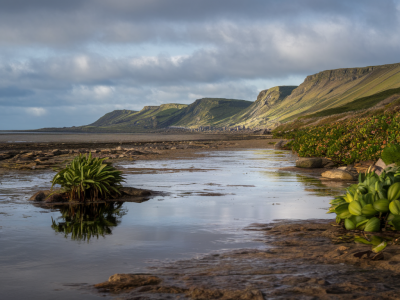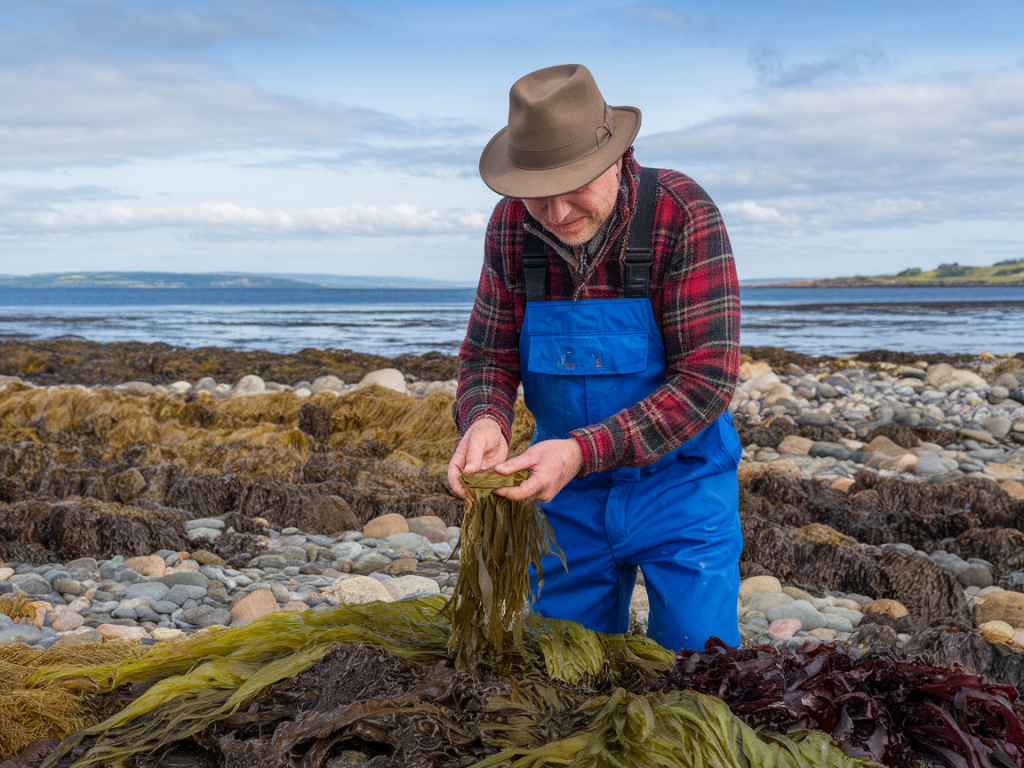
I first met my first crofter-forager on a blustery morning, boots sinking into black sand and kelp waving like a green ocean flag. I had come to Durness to learn, camera slung across my chest, notebook in my pocket. What followed was one of those slow, sensory lessons that stays with you: how to tell a young sugar kelp from a mature blade, when a wrack species is best eaten, how to dry a handful of tongues-of-the-sea so you can taste the Atlantic another day. If you want to share a similar experience, here’s a practical, person-to-person guide to arranging a seaweed foraging and tasting session with a local crofter in Durness.
Why go with a crofter?
Crofters are both custodians of the land and people who live, work and eat with the seasons. In Durness that matters: crofting communities understand tides, access rights, how to read the shoreline, and—critically—how foraging fits into local life without harming habitats. A crofter-led session isn’t just about identification and food; it’s about hearing stories of place, learning sustainable techniques, and tasting seaweed prepared the way locals do.
How to find a crofter who does foraging sessions
Start locally. My go-to channels are:
- Hillside Durness Co listings and blog posts—check the Local Culture category and the site for recent features and contacts.
- Community noticeboards in Durness village, the youth hostel, or the visitor centre—many crofters advertise sessions the old-fashioned way.
- Social media—search local hashtags (e.g. #Durness, #Sutherland) and look for crofters or small producers who post about seaweed, seaweed products, or foraging.
- Word of mouth—stop in at cafés, the butcher or the harbour; locals often know who runs tastings or private sessions.
What to ask when you first contact them
Send a short message or call and cover the essentials so there are no surprises:
- Availability: dates, times and how long a session lasts.
- Group size: whether they take solo visitors, couples, small groups.
- Price and inclusions: tasting, a shared meal, materials to take home, transport.
- Meeting point and whether they provide transport from Durness village.
- Fitness level and accessibility: height of beach access, time spent on uneven rocks.
- Seasonality and what species you’ll likely see or taste.
- Any dietary requirements they can accommodate during tastings.
Timing and seasonality
Seaweed is seasonal; the experience changes through the year. In Durness I tend to recommend:
- Late spring to early autumn for the best variety and calmer weather.
- Autumn after storms for plentiful kelp that’s washed ashore (but check safety—storms can make foraging dangerous).
- Low tide windows—your crofter will schedule around tides for easy, safe beach access.
Ask your crofter which species are at their peak. Some edible greens are best in spring; others, like dulse (Palmaria palmata), are great in summer. A good crofter will explain the life cycle of each species and why they harvest certain parts or ages of seaweed.
What to bring and what I recommend
I always bring the basics and a few extras that make the day more comfortable and photographable:
- Waterproof jacket and trousers—my Patagonia Torrentshell often comes out in Durness weather.
- Sturdy waterproof boots or wellies—Salomon boots are great for rocky shores; wellies for sand flats.
- Neoprene gloves or lightweight gardening gloves (to protect hands from cold and abrasion).
- Small backpack for layers and any samples you might be allowed to keep.
- A camera with a polariser for reducing glare on wet seaweed; phone in a dry bag for notes or photos.
- A refillable water bottle and a small snack—seaweed tastings are rarely full meals.
- Sunscreen and a hat—coastal glare can be intense even on cool days.
What a typical session looks like
While every crofter has their own rhythm, here’s the kind of flow I’ve enjoyed:
- Meet at the village or a nearby access point; a short walk to the beach while your host points out coastal plants and local place names.
- A tide-aware foraging walk: identification, sustainable harvesting techniques, and a primer on tide safety and rock hazards.
- Hands-on harvesting—carefully removing only what’s needed, leaving holdfasts and young growth.
- Simple beach-side demonstration of cleaning and drying techniques (or returning to the croft kitchen if weather demands).
- Tasting session: raw slivers, lightly fried, or used in a simple broth or butter. Expect small, intense flavours—salt, umami, a mineral tang.
- Conversation about uses—preserving, drying, infusing oils, and recipes crofters use at home.
Common species you’ll likely encounter
Most crofters focus on a handful of reliable, edible species. You might see:
- Kelp (Laminaria)—large, sweet, often used dried or in broths.
- Dulse (Palmaria palmata)—soft, red-purplish, eaten raw, dried or fried into crisps.
- Wreck or wrack species (Fucus, Ascophyllum)—used sparingly for flavouring and salads.
- Sea lettuce (Ulva)—bright green, delicate, perfect in salads or as a garnish.
A good crofter will tell you the local Gaelic or crofting name for species—and often an old kitchen use or remedy attached to each one.
Ethics and permissions
Respect is everything. Practical ground rules I always hear from crofters:
- Ask before you take anything. Even where access is open, permission matters for private shorelines.
- Only take what you need; leave holdfasts and younger fronds to regrow.
- Know the protected zones—some areas are wildlife refuges or have shellfish harvesting restrictions.
- Don’t forage on a large scale unless you have explicit consent and knowledge of sustainable harvest rates.
These are not arbitrary rules; they’re how communities keep beaches healthy for future generations.
Price expectations and booking tips
Prices vary. Expect to pay anywhere from a modest fee for a short walk and tasting to a higher rate for an extended session that includes a meal or samples to take home. When I book I:
- Confirm what’s included—sample sizes, a hot drink or meal, any takeaways.
- Ask about cancellation policy (weather and tides can force last-minute changes).
- Consider tipping or purchasing preserved seaweed products if the crofter offers them—this supports local livelihoods.
After the session—follow-ups and how to keep learning
Good crofters will often share a few simple recipes, preservation tips and maybe a small sample to try at home. I like to:
- Dry a few leaves for emergency broth—one little bundle goes a long way for flavour.
- Try simple preparations at home: pan-fried dulse, kelp in stews, seaweed butter on new potatoes.
- Buy a locally made seaweed product to support small producers—pickles, salts, dried blends.
- Stay in touch with your host; many crofters welcome repeat visitors and seasonal updates.
Useful resources I recommend
For anyone who wants to read further before (or after) a session, look for local guides, tide tables and responsible foraging materials. The crofter will usually point you to the best, locally relevant sources. On Hillside Durness Co I sometimes post route and tide-friendly walk notes that pair well with foraging sessions—check the Local Culture and Coastal Walks categories on hillside-durness.co.uk for updates.
Arranging a seaweed foraging and tasting session with a crofter in Durness is more than a food tour; it’s a doorway into how coastal people live with the sea. Be curious, be respectful, and bring a good pair of boots—there’s a taste of the Atlantic waiting, and a wealth of stories to go with it.