I discovered Croick sea stack on a blustery afternoon while chasing a break in the clouds. Since then I’ve returned at every season to chase different light and to learn how crowds ebb and flow. If you want the dramatic silhouette, the warm backlight or the misty, moody frames, timing and approach matter as much as your lens choice. Below I share what I do to catch the best light at Croick, how I slip around the busiest moments, and the small practical details that make a shoot feel effortless rather than frantic.
Why Croick is special for photographers
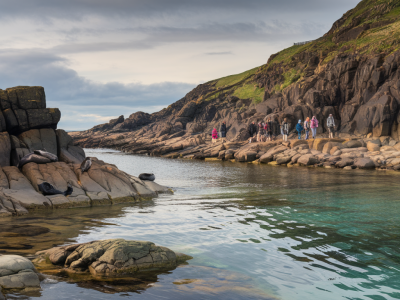
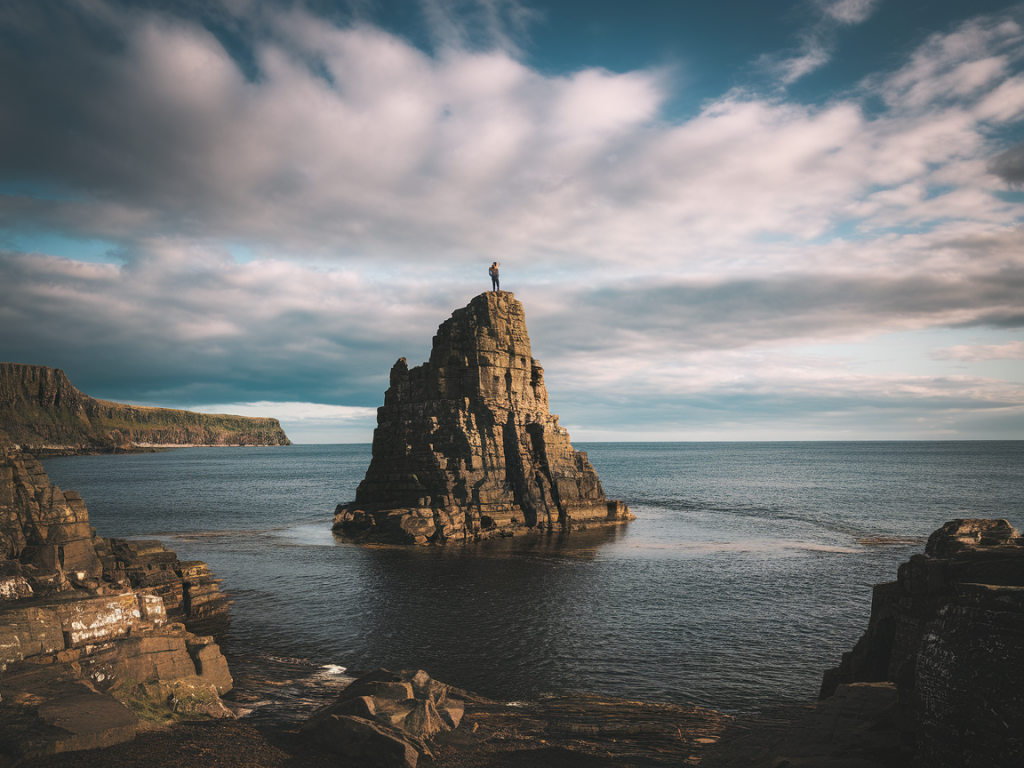
Croick sits on a coastline that throws everything at you: sheer cliffs, wind-swept grasses, sea stacks rising like weathered monoliths, and a constantly changing sky. The sea stack itself responds beautifully to side light—raking in texture—or to backlighting when the sun slips behind it at dawn or sunset. At certain tides the beach reveals foreground rocks and pools that reflect the sky, adding depth to compositions. It’s compact enough to scout quickly, yet complex enough that you can shoot it a hundred times and still find something new.
Best times of day and season to shoot
If I had to choose one golden rule: aim for the hour either side of sunrise or sunset. The low angle of light sculpts the stack and makes coastal mist glow. Winter promises long golden hours and dramatic clouds; spring offers fresh grasses and nesting seabirds; summer brings milder light and lots more visitors. For fewer people, my go-to month is late autumn—there’s a melancholy light and the tourist numbers drop.
| Condition | Best Time | Why |
|---|---|---|
| Soft, pastel sky | Sunrise (calm mornings) | Low light and often clear horizons for subtle colours |
| Warm backlight | Sunset, when the sun sets behind the stack | Creates silhouette and rim light around the stack |
| Moody drama | After a changeable front (dusk or dawn) | Cloud layers and shafts of light enhance mood |
| Reflections & foreground interest | Low tide during golden hour | Exposes rock pools and wet sand to reflect sky |
How I scout and time my visit
I never turn up without checking three things: tide, sunrise/sunset times, and the weather forecast. For tides I use the UK Hydrographic Office tables or the magicseaweed app for local tidal heights. Croick’s beach can change quickly—some compositions only show up at low tide. Sunrise/sunset times I check in my phone and then add 30–45 minutes either side; often the best colour happens before official sunrise or after official sunset.
Weather apps I trust: Met Office for UK forecasts and Windy for a visual of cloud cover and wind. If Windy shows high cloud moving in from the west, I know there’s potential for layered skies that catch warm light. I also keep an eye on moonrise times if I’m aiming for night photography—the moon can add a gorgeous backlight to the sea stack on clear nights.
Gear and camera settings I use
I keep kit light for coastal walks but bring tools that give me flexibility.
- Camera: Mirrorless bodies like a Sony A7 series or Canon R series for dynamic range and good low-light performance.
- Lenses: A 16–35mm for wide landscapes, a 24–70mm for standard compositions, and a 70–200mm if I want to isolate the stack or compress distance.
- Tripod: A stable, compact tripod (Manfrotto Befree or Peak Design Travel) for long exposures and bracketing.
- Filters: Circular polariser to reduce glare and boost skies; ND filters for silky water at slow shutter speeds.
- Accessories: Remote release, spare batteries (cold kills battery life), and a waterproof camera cover.
Typical exposure settings I reach for at golden hour: ISO 100–400, aperture f/8–f/11 for depth of field and sharpness, shutter speed adjusted for light—1/125s to freeze waves, or 1–2s+ with an ND filter to smooth the sea. I bracket exposures slightly when dynamic range is high or I know I’ll blend exposures later.
Compositions that work at Croick
I rotate through a few recurring compositions so I always have options when the light arrives:
- Wide foregrounds: include a pool or textured rocks in the foreground to lead the eye to the stack.
- Silhouette with rim light: shoot into the sun at sunrise/sunset so the stack’s edge catches light and the rest falls into shadow.
- Tele compression: use a longer lens to sit further back and compress layers of sea, stack and sky—great for moody, cinematic frames.
- Low-angle reflections: get low to the wet sand or pool to capture mirror-like reflections of the stack and sky.
How to avoid the crowds
Croick gets more visitors at midday and in stable summer weather. Here’s how I dodge the busiest moments:
- Arrive 45–60 minutes before sunrise. Most walkers and day-trippers aren’t early risers, and dawn is when the coast feels entirely ours.
- Avoid weekends in peak season. If you can, shoot on a weekday or in shoulder seasons (late autumn or early spring).
- Park a little further away and walk in. People often stop at the obvious lookout and don’t explore down the path to better vantage points.
- If you encounter groups, be polite and predict their movement—sometimes a 10–15 minute break is all you need for a clear shot.
Safety, access and respect
Coastal cliffs are unforgiving. I wear sturdy boots with good grip, check tide times before descending to lower beaches, and keep back from cliff edges—grass can be slippery and crumbly. Let someone know if you’re heading out alone and carry a basic first-aid kit and fully charged phone.
Respect matters here: Croick is part of a living landscape. Follow leave-no-trace principles, don’t disturb nesting birds (many species breed on cliffs), and be mindful of local crofters’ land. If you come across private gates, close them. If you want to chat with locals, a friendly hello goes a long way—people around Durness are proud of their place but also protective of it.
Post-processing tips
I process subtly to keep the feeling of place. I start with lens correction and a gentle clarity boost, then work on local contrast to bring out rock texture. For sunrise or sunset scenes I nudge white balance warmer, but not so much the image feels fake. If I’ve bracketed, I blend exposures in Lightroom or Photoshop to keep shadow detail while retaining sky drama. For long-exposure water smoothing I use a graduated mask to keep the stack sharp and moody without overly flattening the scene.
If you want to swap spot recommendations or want help planning a morning at Croick—tide checks, parking notes, or best routes for your fitness level—drop me a message via the contact page on Hillside Durness Co. I love hearing about readers’ trips and seeing how they interpret the light here.