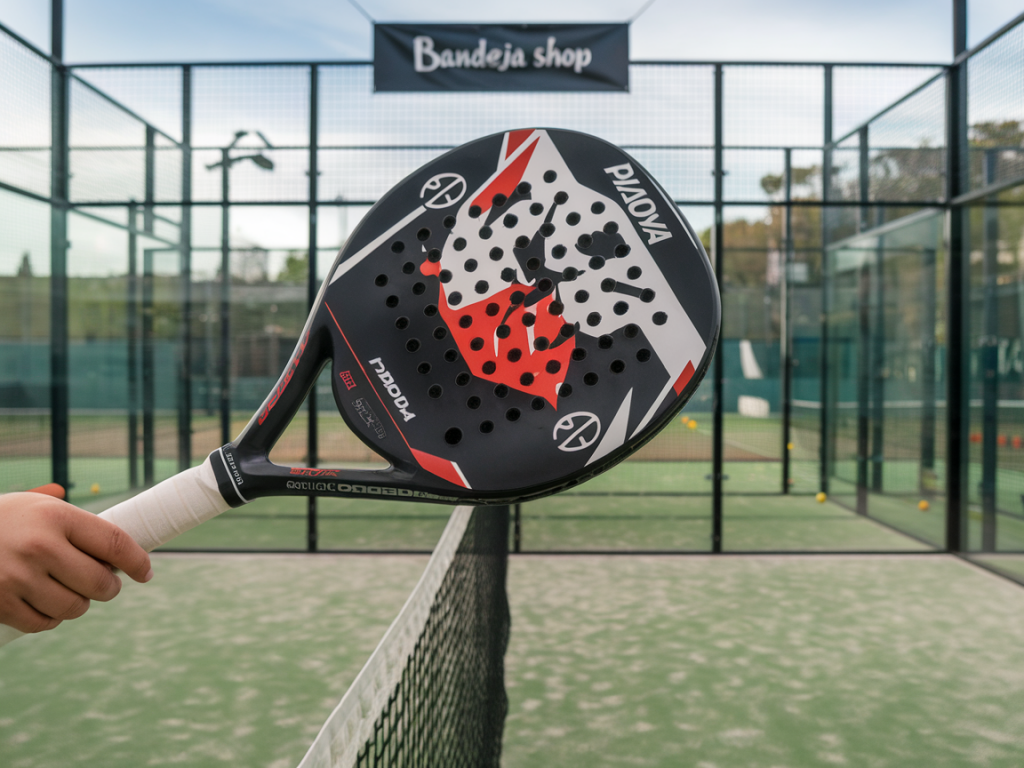
I didn't expect a paddle sport to become one of my favourite ways to stay active while travelling, but padel has a way of fitting into itineraries and landscapes: a quick coastal session before a ferry, a sunset match near a resort, or a friendly game after a long hike. Central to all of that is the right padel tennis racket — and choosing one has transformed how I play, how I pack for trips, and even which courts I seek out. In this piece I want to walk you through everything I now look for when buying a padel racket, why Bandeja Shop is such a useful resource, and how to match a racket to your travel-minded lifestyle.
Why the padel tennis racket matters for travellers like me
When I'm planning a trip—especially coastal or remote routes where weight and versatility matter—I consider gear that does double duty: performance on the court and practicality in my kit. A padel tennis racket affects control, power and comfort, and those differences show up quickly in friendly matches or local club sessions during my travels. The right racket helps me adapt to unfamiliar courts, changing ball speeds, and partners of differing skill levels.
Key features I evaluate before buying
I always start by thinking about three main characteristics: shape, weight, and balance. Those factors determine how the racket feels in my hand after an hour of play, which matters when I want to recover and still have energy for a coastal walk.
Materials, faces and cores — what they mean in practice
Understanding construction helps you select a racket that survives travel and delivers consistent performance.
Brands and models I recommend checking at Bandeja Shop
Bandeja Shop’s curated selection makes it easy to test options used by pros or suited for recreational travel players. I’ve tried rackets from Bullpadel, Nox, Head and Adidas, and each brand has a signature feel. Here are models I often compare when preparing for a trip:
How to choose based on playing style and travel conditions
Match your racket to where and how you play:
Packing and caring for your racket when travelling
One of the practical things I learned is that a racket needs protection but not excess weight. I always carry a thermal racket bag or a padded sleeve inside my main travel bag. On planes, I’ll either bring it as cabin luggage or pack it flat between clothing layers to avoid pressure on the face.
Testing rackets and getting expert advice
One of Bandeja Shop's strengths is the in-person and online expertise they offer. When I can, I visit their store in Vallauris to test models and ask questions about differences I can’t feel in one rally. Their Webzine and buying guides are helpful too—especially when I’m deciding between two models and need specifics about balance or core firmness. If you can’t visit, their team’s online advice is precise and practical for travellers who need a quick recommendation.
Accessories I always buy together with a racket
Accessories matter as much as the racket when I’m away from home courts:
How the E-Club Bandeja helps frequent players and travellers
If you play regularly while travelling, consider memberships like the E-Club Bandeja. Discounts up to 20%, early access to collections and promotions can make it easier to upgrade a racket or replace worn gear without breaking the trip budget. For someone who moves between clubs, having that access and knowing where equipment ships quickly is a real advantage.
| Consideration | Travel-friendly choice |
| Weight | Mid-weight (~360g) |
| Shape | Teardrop for versatility |
| Core | Softer EVA for comfort |
| Face | Carbon composite for durability |
| Bag | Thermal padded bag |
Buying a padel tennis racket is both a technical decision and a personal one. For me, it has become part of travel planning: which racket goes in my bag can determine the style of match I play that week and how much energy I have left for exploration afterwards. I lean on specialist shops like Bandeja Shop for their curated brands and expert advice because they understand not only gear but how players use it across different environments. Try different shapes when you can, think about the grips and the bag, and above all pick something that makes the game feel effortless — especially when you’re balancing it with the rest of your travel adventures.