Wildlife

Which guided boat operators run wildlife trips from durness and what to expect on a seal-and-seabird tour

Which guided boat operators run wildlife trips from durness and what to expect on a seal-and-seabird tour

I get asked all the time which boat operators run wildlife trips from Durness and what a seal-and-seabird tour is actually like. From where I live and write, the answer starts with: there aren’t big fleets here — trips are small, local, seasonal and run by passionate skippers who know the coast intimately. Below I’ll outline the types of operators you’re likely to find, give names you can look up locally, and walk you through what to expect on a typical seal-and-seabird outing so you can pick the right trip and come prepared.

Who runs wildlife boat trips from Durness?

Operators change from year to year and many run only in the high season (May–September), so always check current timetables. That said, here are the categories of providers you’ll meet in Durness and some names that are commonly active:

  • Smoo Cave and local harbour boat operators — Small, family-run boats offering short cruises centred on Smoo Cave, Balnakiel Bay and the sea cliffs. These are the most common options for seal and seabird watching close to Durness.
  • Independent skippers and RIB charters — Freelance skippers who advertise locally or via the Durness tourist info, offering bespoke trips tailored to wildlife interests (longer distance, photography-focused, or flexible times).
  • Community or ranger-linked trips — Occasionally the local ranger service, wildlife groups or community enterprises will run guided outings with a stronger conservation or natural-history commentary element. These can be seasonal and sell out quickly.
  • Operators you may see mentioned in local guides and booking platforms include small outfits billed as “Durness Boat Trips” or “Smoo Cave Boat Tours” (these are descriptive names used by local boat owners rather than large companies). The best way to find exact, up-to-date operator names and contact details is to check the Hillside Durness Co resources page, the Durness visitor centre, or local B&Bs and cafes — skippers often rely on word-of-mouth and local bookings.

    Typical itinerary of a seal-and-seabird tour

    Most trips last anywhere from 1 to 3 hours. Here’s a typical outline:

  • Meet at the harbour or Smoo Cave slipway — Skippers will give a short safety briefing and outline the route.
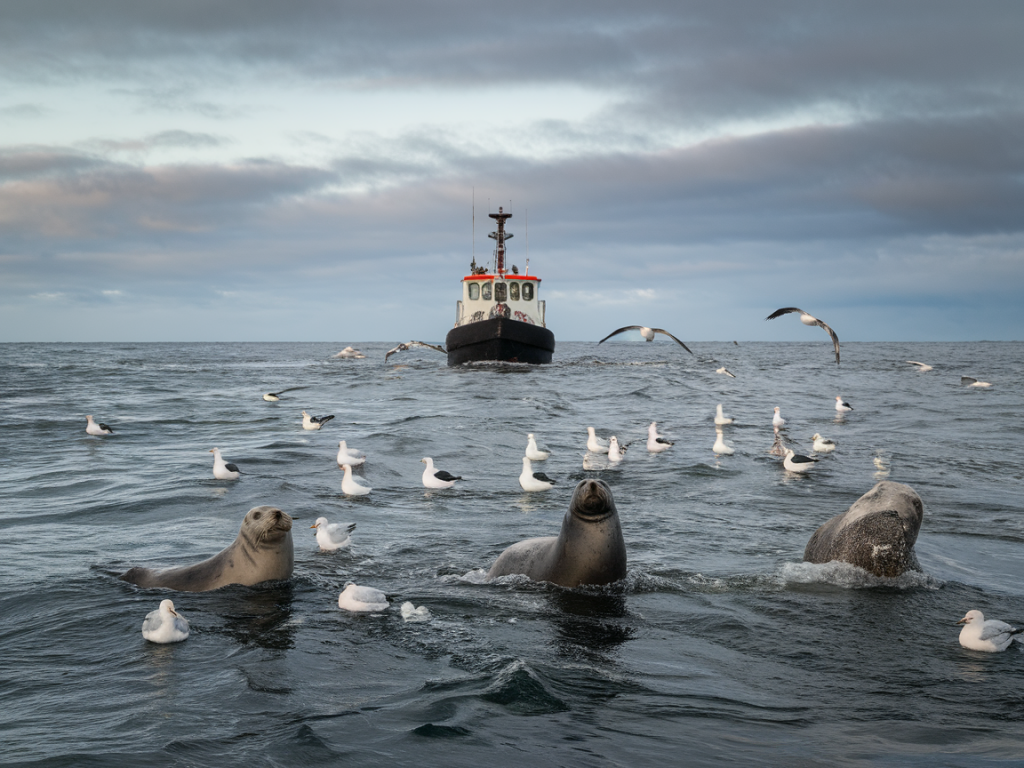
  • Coastal cruising — The boat will hug the shoreline to look for harbour seals hauled out on rocks, and to scan cliffs for nesting seabirds.
  • Smoo Cave approach — Some trips include a close pass by the Smoo Cave entrance (conditions permitting) — it’s dramatic and a good place to spot gulls and fulmars.
  • Seabird colonies and sea stacks — Boats often approach sea stacks and cliff bases where guillemots, razorbills, kittiwakes, fulmars and, in the right season, puffins gather.
  • Open-water wildlife checks — Skippers will watch for common and grey seals, and sometimes porpoises or even minke whales if you’re lucky.
  • Return and debrief — Most skippers are happy to point out wildlife in binoculars, suggest photo angles and answer questions about local ecology and crofting history.
  • What wildlife can you expect to see?

    Expect quality over quantity: trips are intimate and wildlife encounters are often very close because the coastline is steep and sheltered. Typical species include:

  • Seals — Harbour (common) seals are the usual stars, hauled out on skerries or bobbing near kelp beds. Grey seals are sometimes seen, especially further offshore.
  • Seabirds — Guillemots, razorbills, kittiwakes, fulmars and shags are common. In summer you may spot puffins — but they’re more reliably seen on islands further south (though they do nest in parts of the north coast).
  • Raptors and coastal birds — Look out for the occasional sea-eagle overhead, peregrine on cliff ledges, and sandwich terns fishing close to shore.
  • Marine mammals — Porpoises and dolphins are possible. Minke whales are rarer but reported by local skippers in the right season.
  • What to bring and how to dress

    The weather on this coast changes fast, and the sea spray can be cold even on sunny days. I always recommend:

  • Layered waterproof clothing — A waterproof jacket and breathable mid-layer are essential. Windproof trousers help on open stretches.
  • Hat, gloves and sunglasses — Bring all three even in summer.
  • Binoculars and a camera with a telephoto lens — 200–400mm is ideal for seabirds from a small boat; a stabiliser or monopod helps if you’re shooting from a moving platform.
  • Sea-sickness remedies — Even sheltered waters can roll. Take preventive tablets an hour before, or bring acupressure bands if you prefer non-drug options.
  • Reusable water bottle and a snack — Trips are informal and sometimes longer than advertised if wildlife shows up.
  • Photography tips for small-boat wildlife trips

    Light on the north coast can be gorgeous but harsh. I aim for fast shutter speeds (1/1000s for flying birds), set continuous autofocus, and use burst mode for action. If you don’t have a big lens, don’t worry — the coastline is close and seals often come within good framing distance. Ask your skipper to slow or stop if wildlife appears; many are happy to give photographers extra time.

    Price, booking and accessibility

    As a ballpark: short harbour or cave cruises often start around £20–£35 per adult, while bespoke or longer wildlife trips can be £40–£80 per person depending on duration and group size. Many skippers accept phone bookings and some take online reservations. I always recommend calling if you can — mobiles and local knowledge beat out-of-date online listings.

    Accessibility varies. Small boats have limited mobility access and a low tolerance for wheelchairs. If you need assistance, call ahead — some operators can arrange easier boarding or suggest alternative viewpoints from shore that still deliver excellent wildlife watching.

    Responsible wildlife watching

    I’m passionate about low-impact travel. On boat trips, skippers will usually be careful to avoid disturbing seals and nesting birds, but you can help:

  • Keep noise low and avoid sudden movements on deck;
  • Follow your skipper’s instructions on approach distance (they know local rules and sensitive sites);
  • Never attempt to feed wildlife or throw things into the water;
  • Leave no rubbish — even small items can harm marine life.
  • If you want a trip with a strong conservation message, ask when booking if the skipper works with the local ranger or wildlife groups — those outings often include better natural-history commentary and tips for observing responsibly.

    If you’d like, I can check current operator contact details and seasonal schedules and add them to the Hillside Durness Co resources page — or suggest the best operator for photography, families, or a longer wildlife chase. Just tell me your dates and priorities and I’ll pull together the latest local intel.
    You should also check the following news:

    What to pack for an overnight beach camp at balnakeil: shelter, food and tide-aware safety essentials

    What to pack for an overnight beach camp at balnakeil: shelter, food and tide-aware safety essentials

    Camping overnight on Balnakeil Beach is one of my favourite low-key adventures—there’s...

    Feb 25
    How to time the sango sands caves crossing like a local (tide windows and fallback routes)

    How to time the sango sands caves crossing like a local (tide windows and fallback routes)

    I learned to read the Sango Sands caves not from one guidebook but from a few soggy afternoons, a...

    Feb 21