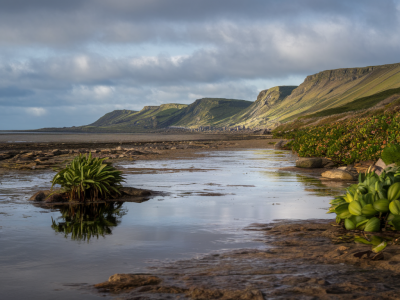
Camping overnight on Balnakeil Beach is one of my favourite low-key adventures—there’s something elemental about sleeping to the sound of surf with the dunes behind you and the stars above. But the far north of Scotland can be unpredictable, and the stretch around Balnakeil demands respect: tides that can reshape the shoreline, cold winds even in summer, and fragile habitats to protect. Here’s the kit I always pack, and the practical, tide-aware safety habits I follow so a beach camp becomes a joy rather than a scramble.
Shelter: tents, tarps and site selection
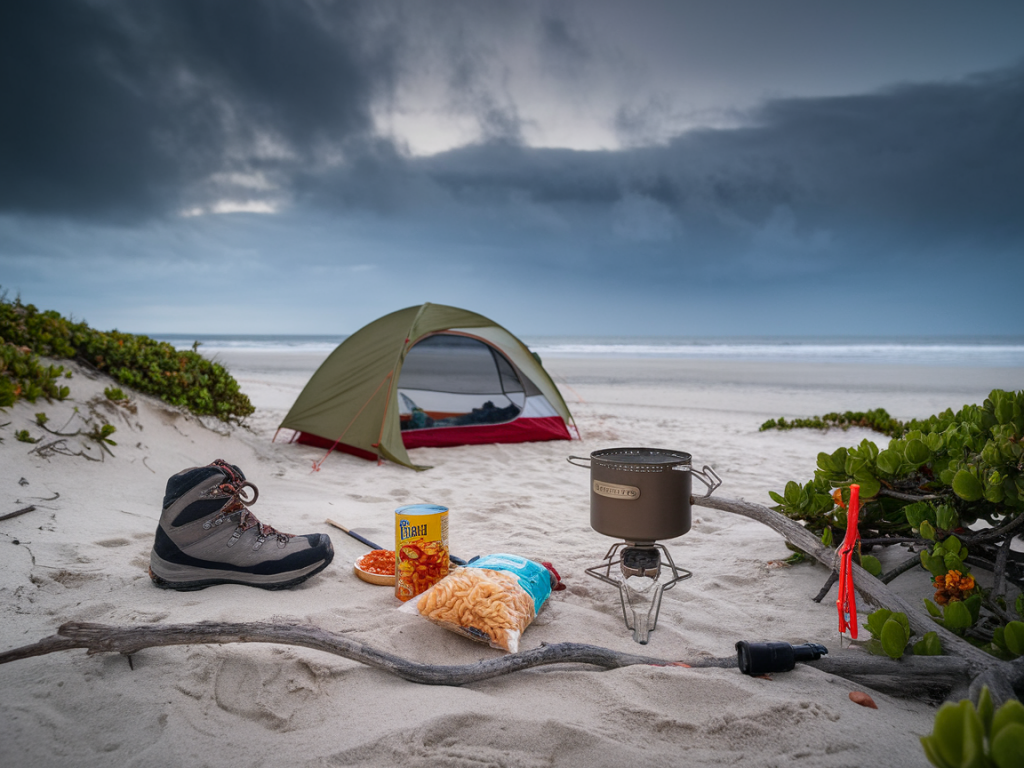
My priority is a shelter that keeps wind, sand and sudden showers at bay. I usually choose a small, well-ventilated two-person tent with a low profile—something like a Vango or MSR that can be pegged down securely. If I’m ultra-light, I’ll take a single-wall shelter or tarp setup, but I only do that when the forecast and wind direction are favourable.
- Choose a high, sheltered spot: pitch above the high tide line and away from the dunes’ most fragile vegetation. Look for natural windbreaks like a dune hollow or a low sandbank, but avoid areas where water could collect if it rains.
- Use good pegs and sand anchors: standard metal pegs won’t hold well in loose sand. I travel with wide sand pegs or make deadman anchors using stuff sacks filled with sand (bury them horizontally and tie through).
- Guy lines matter: stake out at least two guylines on the windward side. Tension them properly to prevent flapping and to shed wind.
Sleeping kit
Temperatures can drop quickly, even in July. I sleep warm and dry by layering the following:
- Sleeping bag: a synthetic or down bag rated to at least -2°C for shoulder seasons; a 0°C bag is a safe all-rounder. I use a Sea to Summit bag for compressibility and warmth-to-weight.
- Sleeping mat: an insulated inflatable mat (Therm-a-Rest or similar) is a must—the sand conducts cold and a foam mat alone isn’t comfortable for long.
- Extra layers: a lightweight down jacket or thermals in a waterproof dry bag are great for the night wind.
Food and cooking
Food is morale. I aim for simple, calorie-dense meals that don’t require complex cooking. My go-to setup for Balnakeil:
- Stove: a small canister stove (MSR PocketRocket or Jetboil) for quick boiling. I avoid open fires on the beach—brash and driftwood are fragile habitats, and fires can scar the dunes.
- Fuel: bring enough canisters for dinner, breakfast and hot drinks—estimate extra in case of cold weather or delays.
- Food ideas: instant couscous or pasta, freeze-dried meals, canned tuna, hard cheeses, oats, nuts and bars. Pre-mix meals at home to simplify cooking (one-pot meals save fuel).
- Cooking kit: lightweight pot, spork, cup and a small scrub pad. A windscreen for the stove helps with efficiency on blustery evenings.
Water and purification
Although there are streams nearby, I don’t rely on untreated water. I carry at least 2 litres per person and a compact purifier (Steripen or LifeStraw) or chemical tablets as backup. A collapsible water carrier is handy for re-filling from freshwater sources away from the tide-influenced shore.
Tide-aware safety essentials
Balnakeil is beautiful—but the bay can narrow significantly at high tide. I always plan with the tide times in mind:
- Check tide tables: know the time and height of high tide for the night you stay. I consult the UK Hydrographic Office tables or reliable apps before leaving and again at the beach.
- Camp above the high water mark: identify the wrack line (seaweed and debris) as your minimum distance from the tide. Add a generous margin—the wind and surge can move higher than expected.
- Escape route: pick a campsite with a clear, quick route inland. If a storm drive or boat is needed, you don’t want to be trapped.
- Watch the weather and swell: strong onshore winds and spring tides can cause waves to come much higher than ordinary high tide—if in doubt, move further back.
Clothing and footwear
Layers are everything. My clothing checklist:
- Waterproof breathable jacket (e.g., Gore-Tex or similar)
- Insulating midlayer (fleece or synthetic down)
- Base layers that dry quickly (merino or synthetic)
- Windproof trousers or overtrousers
- Sturdy waterproof boots for scrambles and pebble beaches, plus camp shoes or sandals
- Hat, buff and gloves—it can be cold and windy even on summer nights
Navigation, communications and safety
Mobile signal is patchy. I always carry redundancy:
- Map and compass: OS map for the area and the habit of using them; don’t rely solely on GPS.
- Phone and power: charged phone in a dry bag and a power bank (10,000 mAh or more depending on length of trip).
- Emergency kit: headlamp with spare batteries, basic first aid, a whistle, emergency bivvy/foil blanket.
- Personal locator option: PLB (personal locator beacon) or an inReach device if you plan to roam far from paths or for peace of mind when solo.
Wildlife, protected habitats and local rules
Balnakeil sits within a sensitive coastal landscape. I follow these principles every time:
- Leave no trace: pack out everything, including food scraps and small items. Do not bury or burn waste.
- Respect breeding seasons: avoid nesting areas for birds like terns and eiders, and keep dogs under control—June and July can be sensitive months.
- Access rules: wild camping on Scottish beaches is generally tolerated, but always respect crofting land, fences and signposted restrictions.
- Collect no artefacts: don’t remove shells, driftwood for keepsakes, or archaeological items. Leave the beach as you found it.
Packing checklist (my portable table)
| Item | Why | Example / Notes |
|---|---|---|
| Tent & pegs | Wind and rain protection | Vango/MSR + sand pegs or deadman anchors |
| Sleeping bag & mat | Warmth and insulation from cold sand | 0°C sleeping bag, insulated inflatable mat |
| Stove & fuel | Hot meals and drinks | Jetboil or MSR + spare canister |
| Water & purifier | Safe drinking supply | 2L+ water, Steripen or tablets |
| Map, compass, phone, powerbank | Navigation & communication | OS map, 10,000 mAh powerbank |
| Emergency kit | First aid, light, signalling | Headlamp, spare batteries, PLB optional |
| Cooking kit & food | Easy, warm meals | One-pot meals, oats, snacks |
| Clothing layers | Adapt to weather | Waterproof, insulated midlayer, base |
On arrival: quick ritual to keep safe
When I get to the beach, I do a quick 10-minute survey: check the high tide line, note wind direction and local features, pick a campsite, and make sure my escape route inland is clear. I peg down the shelter well, set a water container in a shaded spot, and store food in sealed dry bags away from the sleeping area. If I see nesting signs or notices about sensitive areas, I move further along the shore.
Balnakeil rewards a little planning: with the right kit and a tide-aware approach, an overnight beach camp becomes a peaceful, restorative way to experience the far north. Pack smart, respect the land, and keep an eye on the sea—you’ll be treated to some unforgettable light and silence.