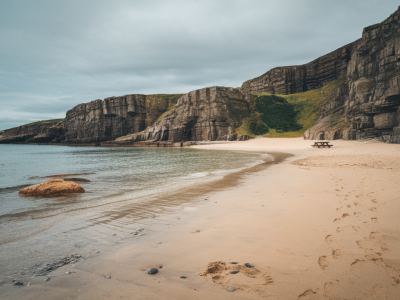
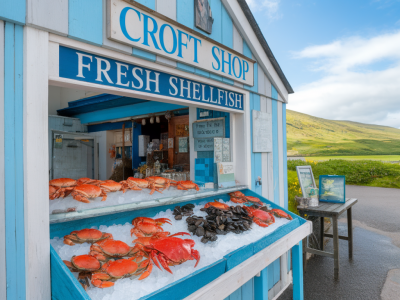
Winter on the north coast is a different animal — the light is low, the sea is dark and the wind can arrive in minutes, turning a calm stroll into a survival lesson. Over years of walking Durness’s cliffs and beaches I’ve learned to treat wind as a planning factor, not an afterthought. Below I share how I prepare for winter coastal winds: clothing choices, a reliable layering system, and the emergency kit items I never leave without. These are practical, field-tested tips you can use whether you’re planning a short beach walk or a multi-hour coastal route.
Understanding coastal wind and why it matters
Wind by the sea isn’t just cold; it strips heat, drives spray and salt into your layers, and can affect balance on exposed ridges. Wind chill means a 0 °C day can feel like −10 °C in a strong northerly. Gusts can also knock you off your feet on cliff-top paths, so I plan for both steady wind and sudden gusts. That shapes what I wear, how I pace myself, and what I carry.
Layering logic I follow
My layering system is simple and tuned for salty, windy coastal conditions. I think in three functions: warmth, moisture management, and windproofing. Each layer has a job.
- Base layer: thin merino or synthetic next-to-skin — wicks sweat and stays warm even damp. I use Icebreaker merino tops or Uniqlo Heattech for shorter outings.
- Mid layer: insulation for retained heat — fleece or lightweight down/synthethic jacket. I rotate between a Patagonia R1-style fleece and a lightweight down (Patagonia Nano Puff) when I expect long stops or very cold temps.
- Outer layer (wind & rain): a true windproof and waterproof shell with a good hood. For coastal wind I choose a jacket with a storm hood, helmet-compatible if I’m scrambling. Brands I trust: Arc’teryx Beta or Rab Kaon for breathability and cut.
- Windproof trousers: softshell trousers or overtrousers — avoid only cargo cotton pants. Montane and Rab make softshells that cut the wind while still moving with you.
- Accessories: windproof hat (balaclava when cold), a neck gaiter, and windproof gloves with touchscreen tips. For extreme spray I carry a thin waterproof glove shell over a liner glove.
Practical clothing checklist I pack for a winter coastal walk
- Base top (merino or synthetic)
- Base bottoms for long hikes (merino leggings or trekking tights)
- Fleece mid-layer or lightweight insulated jacket
- Windproof/waterproof shell jacket with hood
- Softshell or overtrouser for wind protection
- Warm hat (covering ears) + thin liner hat/balaclava
- Neck gaiter or buff
- Glove liners + waterproof glove shells
- Sturdy waterproof boots with grippy soles (Vibram or similar)
- Wool socks + spare pair
How I layer on the move
I start cool. On a brisk coastal climb I want to be slightly chilly leaving the car so I don’t sweat heavily. If I’m sweating, the wind will cool me quickly and damp clothing will sap heat. I prefer to add or remove the mid-layer at shelters or when stopping, not when walking into wind. The outer shell stays on whenever there’s spray or stronger gusts.
Footwear and grip
Wet rocks and seaweed are slipperier than you expect. I use waterproof leather or modern waterproof textile boots with a firm midsole and aggressive sole pattern. If there’s ice or frozen ground, I carry microspikes (Kahtoola or Yaktrax). Keep laces snug to avoid ankle rolls in sudden gusts.
Emergency kit essentials for winter coastal routes
My emergency kit is compact but designed for wind and cold. I keep these items in an easily accessible pouch at the top of my pack:
- Emergency bivvy (silver foil bivvy like SOL or a heavier Windproof one) — more breathable than a simple foil bag if you might shelter for hours.
- Extra insulated jacket (packable down or synthetic) — I use a lightweight puffy that compresses into its pocket.
- Spare hat and gloves — dry replacements are a game-changer if yours get wet.
- Headtorch with fresh batteries — always carry a headtorch even for day walks as conditions can force a slower descent.
- Map, compass and a charged phone in a waterproof case. Don’t rely on phone GPS alone; coastal cliffs can block signal.
- Whistle and a small mirror for signalling.
- High-energy food (bars and chewy gels) and an insulated flask with a hot drink when possible.
- Basic first-aid kit including a foil blanket, blister plasters, and compression bandage.
- Multitool and a small roll of duct tape or repair tape.
- Emergency lighter and waterproof matches — carry multiple ignition methods.
Table: quick reference — layer choices by wind and temperature
| Conditions | Core layers | Accessories |
|---|---|---|
| Mild, < 10–15 mph wind, 0–5 °C | Base + light fleece + shell | Light hat, liner gloves, thin gaiter |
| Strong wind 20–40 mph, −5–0 °C | Base + insulated mid (puffy) + windproof shell | Balaclava, waterproof glove shells, spare socks |
| Gusting storm or spray, < −5 °C | Base + heavy synthetic puffy + fully windproof shell + overtrousers | Thicker gloves, bivvy, hot flask, microspikes |
Navigation, timing and communication
I check tides, wind direction and forecast before I leave. Coastal paths can be impassable at high tide or during storm surge. I let someone know my route and expected return, and I share live location from my phone when possible. In areas with poor coverage I carry a PLB (Personal Locator Beacon) or an InReach satellite messenger — a small investment that provides enormous peace of mind for remote coastal walks.
Small habits that make a big difference
- Rotate headwear: a windproof hat that covers ears is better than two thin hats when wind is biting.
- Keep spare gloves and hat in a dry bag inside your pack so they remain usable if outer layers get wet.
- Use gaiters if you’ll encounter spray or deep snow to keep cuffs dry.
- Take deliberate, shorter steps on exposed ridges in strong gusts; lower your centre of gravity and move sideways if necessary.
- Dry wet layers at the earliest safe opportunity — your sleeping bag and a hot drink are morale boosters in winter.
Preparing for coastal wind is part kit, part planning, and part attitude. Respect the sea, respect the weather window you choose, and pack with redundancy so a gust doesn’t become an emergency. If you want a printable checklist or my recommended kit list tailored to a day walk vs. an overnight, tell me the route and I’ll adapt it to conditions around Durness and the far north coast.