Local Culture

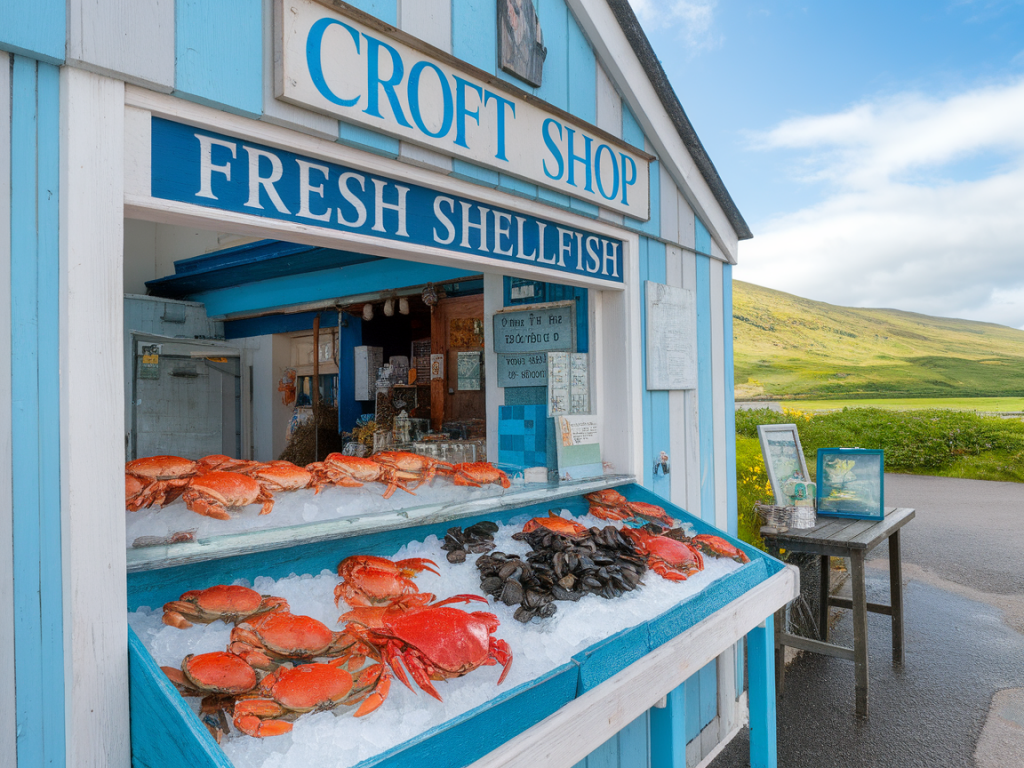
Which croft shops sell fresh shellfish in durness and how to ask for local recommendations

Which croft shops sell fresh shellfish in durness and how to ask for local recommendations

I pick up fresh shellfish in and around Durness more often than I buy souvenirs. There’s something about the briny taste of scallops or the sweet meat of a fresh crab that makes a long walk along a salt-washed cliff feel complete. If you’re visiting the far north and want to know which croft shops sell fresh shellfish and how to ask locals for recommendations, here are the practical, slightly-smelly (in the best way) tips I share on Hillside Durness Co.

Where to look for fresh shellfish in Durness

There aren’t big seafood markets here — crofting communities are small, and sales are often informal. The places I check first are:

  • Durness Village Shop & Post Office — the village store often has notices or the phone number of local crofters who sell directly. They sometimes stock local mussels or crab if a crofter has brought in a haul.
  • Balnakeil craft and farm shops / honesty boxes — around Balnakeil and Sangobeg there are craft outlets and croft gates where crofters leave boxes of produce (and occasionally seafood) on an honesty basis. These are seasonal and depend on the landing that day.
  • Roadside stalls and honesty boxes along the coast road — keep an eye out for signs like “fresh crab” or “seafood” on the A838 and minor roads by the shore. I’ve regularly found crab and langoustine offered this way after calm weather and a good tide.
  • Local hotels, B&Bs and cafés — establishments such as the local inns sometimes buy directly from crofters and can point you to who’s selling that week.
  • Rangers, crofters and fishermen — informal networks matter here. If you ask a local crofter or a Fisheries Ranger politely, they’ll often tell you who to contact.
  • Common shellfish you can find and their seasons

    What’s available depends on tides, weather and legal restrictions. Here’s a quick reference table I use before heading out to buy or collect:

    Shellfish Typical season Notes
    Mussels Year-round (best in late summer–autumn) Often available from croft beaches; check for biotoxin closures
    Cockles & clams Summer–autumn Size and legality vary—ask locals about minimum sizes
    Scallops Seasonal and regulated Often sold by fishermen, not every crofter has them
    Crab (brown/crustacea) Year-round Common street or honesty-box finds; very sweet if freshly boiled
    Langoustine (Norway lobster) Spring–autumn Delicate and prized—prices and availability fluctuate
    Limpets Year-round (local subsistence) Traditionally eaten; check guidance on permits and sizes

    How to ask for local recommendations — phrasing that works

    People here respond best to simple politeness and a little local knowledge. Use a friendly, direct approach and be prepared to listen. Here are phrases that get helpful answers:

  • In person at the shop: “Hi, do you know any crofters who’ve landed crab or langoustine recently?”
  • On the phone: “Hello — I’m visiting Durness and would love to buy some locally caught shellfish. Who’s selling this week?”
  • At a café or B&B: “Which croft sells the freshest shellfish around here? We want to cook tonight.”
  • With a local fisherman or crofter: “Do you sell any of your catch locally, or can you recommend someone who does?”
  • Always add: “Is there a best time of day to catch them? Are there any size or seasonal rules I should know about?” That shows respect for local practice and law.

    What to expect when buying from a croft shop or honesty box

    Buying direct is charming and often cheaper, but it’s not like a fishmonger in a city. Expect:

  • Variable opening times — many croft shops are part-time or run on honesty systems.
  • Cash or contactless — carry small notes and coins; mobile signal can be patchy.
  • Minimal packaging — shellfish may come in paper or a simple box; bring a cool bag.
  • No official certificates — regulation in Scotland means commercial sellers have records, but small croft sales are informal; ask questions about when and where the catch was taken.
  • Safety, sustainability and legal points

    Respecting local rules keeps the coast productive and safe:

  • Check for shellfish biotoxin closures: the Scottish Government issues regular shellfish safety alerts. Before you eat mussels or cockles, check the latest notice (you can ask the village shop or search government sites when you have signal).
  • Ask about minimum landing sizes and quotas: certain species have size limits and closed seasons—locals know them and will tell you.
  • Handle and store safely: keep shellfish cold and cook them promptly. Shellfish spoils quickly in warm weather.
  • Buy from reputable local sellers: when in doubt, ask where the catch was made and whether it was landed that day.
  • Respect the sea and crofting rules: don’t trespass to reach stalls, and follow any signage about private crofts and grazing animals.
  • How to prepare and enjoy your purchases

    I’m a simple cooker — a big pot of salted water for mussels, a gentle simmer for langoustines, and a straightforward crab boil with fennel and lemon. A few practical tips I pass on to guests:

  • Bring a cooler and ice packs if you plan to buy en route back to your accommodation.
  • Ask the seller how they recommend cooking their catch — they often have the best local tricks.
  • Use local butter for langoustines and crab—salted butter from a Highland dairy lifts the flavour.
  • Pair shellfish with crusty bread, a crisp white, or simply watch the sunset while you crack shells.
  • Where I ask first when I arrive

    My habit: drop into the Durness shop first for any notices and to ask about who’s selling that day; then check Balnakeil for honesty boxes and ask staff at local cafés or the campsite for a tip. If I’ve time, I’ll walk the shore after a calm night tide — the best finds often come from people who’ve worked the sea their whole lives and are happy to share a tip or two.

    If you want, I can write a short checklist you can print and take with you — tidy phrases to use when asking, a mini packing list for keeping shellfish fresh, and a quick safety checklist. Say the word and I’ll post it on Hillside Durness Co so you can download it before your trip.
    You should also check the following news:

    How to prepare for winter coastal winds: clothing, layers and emergency kit recommendations

    How to prepare for winter coastal winds: clothing, layers and emergency kit recommendations

    Winter on the north coast is a different animal — the light is low, the sea is dark and the wind...

    Dec 02
    A beginner's pack list for scrambling the cliffs of stoer and staying safe

    A beginner's pack list for scrambling the cliffs of stoer and staying safe

    Scrambling the cliffs around Stoer is one of those salt-and-wind rewards: dramatic sea stacks,...

    Dec 02