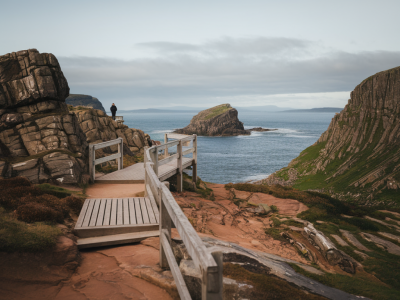
Scrambling the cliffs around Stoer is one of those salt-and-wind rewards: dramatic sea stacks, wind-carved ledges and light that changes in a heartbeat. For a beginner, it can also feel intimidating — loose rock, sudden weather, and the tide working its own timetable. Over the years I’ve learned what to carry so a scrambling day here stays exhilarating and not hazardous. Below is the pack list I trust for a safe, enjoyable route along Stoer’s coastline, plus the practical safety habits that go with it.
Why a dedicated pack list matters
When you’re on exposed sea cliffs every extra kilogram counts, but so does every essential item. Scrambling often requires short, committed moves where dropping something or being cold and wet can quickly change the outcome. I pack deliberately: everything must either keep me safe, extend my self-rescue options, or help me enjoy the landscape and photograph it without panic.
My go-to backpack and capacity
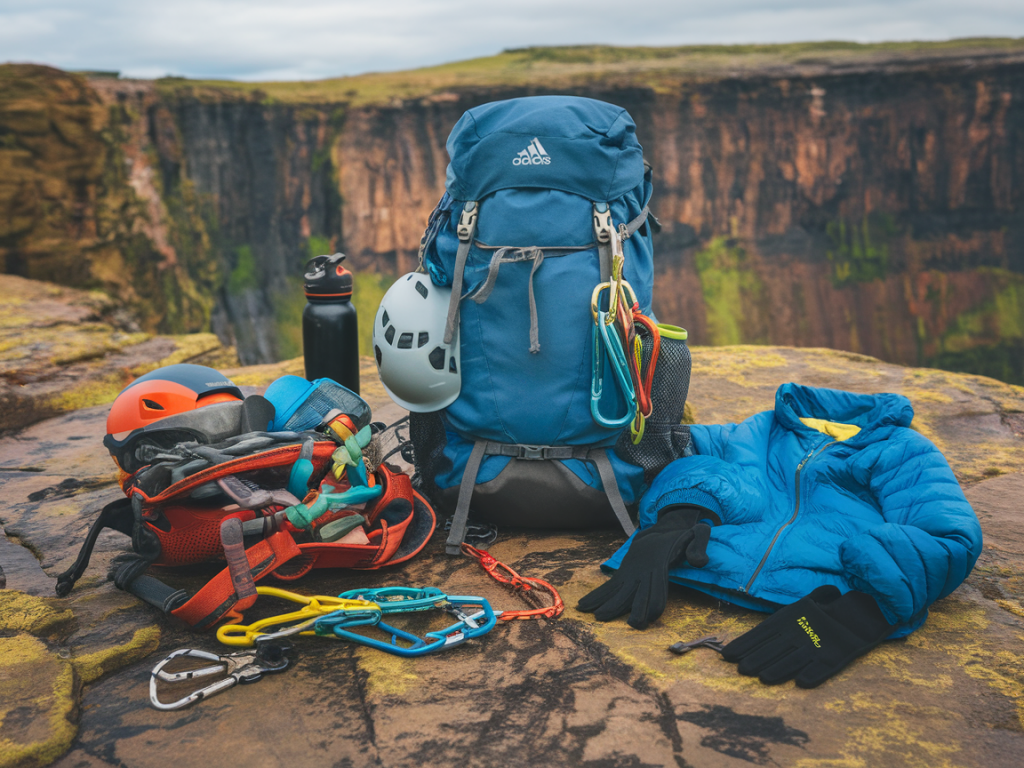
I use a 20–30L pack for day scrambles — usually an Osprey Talon or a light Osprey Hikelite for spring and summer. It’s big enough for layers, food, water, and emergency kit, yet small enough not to get in the way when climbing up narrow ledges. For colder months or if I’m carrying a camera tripod, I step up to 30–35L.
Clothing: layers and protection
- Base layer: breathable merino (Smartwool or Icebreaker) — avoids clamminess if you sweat on a steep pitch.
- Mid layer: lightweight fleece or synthetic (Rab, Montane) — easy to take off and stash in a hipbelt pocket.
- Insulation: a light down or synthetic jacket for breaks and summit exposure (Rab Microlight or Patagonia Nano Puff).
- Shell: waterproof breathable jacket and overtrousers (Gore-Tex or eVent) — windproofness is as important as waterproofness on Stoer.
- Trousers: stretch softshells for abrasion resistance and mobility.
- Gloves: thin liner gloves for scrambling moves and a sturdier waterproof pair for cold/wet conditions.
- Hat: a warm beanie and a sun hat for summer glare.
Footwear and protection
- Shoes: sticky-soled approach shoes or low-profile boots. For beginners, I recommend a grippy approach shoe (La Sportiva TX4, Five Ten Guide Tennie, Scarpa Mescalito). They give traction on clean rock and enough support on rough ground.
- Helmet: non-negotiable on sea cliffs. A Petzl or Black Diamond climbing helmet protects from rockfall and the inevitable bump against overhangs.
- Knee protection: lightweight gaiters if you expect wet scrub or shale.
Navigation and communication
- Map & compass: I always carry a paper map (OS Landranger 9 covers Stoer) and a compass and know how to use them — phone batteries fail.
- Phone: with offline maps downloaded and in a waterproof case.
- GPS device or watch: Garmin inReach Mini or an Apple Watch with GPS is useful; consider a PLB (Personal Locator Beacon) for remote solo trips.
- Whistle: loud and lightweight for signaling.
Emergency and first-aid kit
My first-aid kit is compact but tailored for cliffs: it includes adhesive dressings, a couple of sterile pads, a compact compression bandage, blister plasters, antiseptic wipes, wound seal strips, and a couple of painkillers. I add a small triangular bandage and duct tape for quick fixes. If you don’t have a lot of experience with wounds and strains, consider a small first-aid course — it pays off.
Rope, technical gear and when to use it
Many Stoer scrambles are unroped, but beginners should know when a rope is sensible. I carry a 30–40m half or single lightweight rope only if I plan moves that would be hard to down-climb or if I’m guiding someone nervous. Useful items if you bring a rope:
- Harness and helmet for everyone roped-up.
- Sling / cordelette and two locking carabiners for anchors or to build a re-direction.
- Belay device and personal anchor.
- Prusik cord or mechanical ascender for self-rescue.
If you don’t know efficient ropework, keep to unroped routes or go with a qualified guide. Poor rope technique can create more danger than it mitigates.
Food, water and energy
- Water: at least 1–2L depending on season. I carry a 1L soft flask plus a 1L bottle and a small filter (Sawyer Mini) if I’m out longer.
- Food: energy-rich, easy-to-eat snacks: sandwiches, flapjacks, chocolate, and salted nuts. A hot flask on colder days is a morale booster.
- Stove: optional; I sometimes bring a tiny alcohol stove in shoulder season.
Kit for comfort and photography
- Lightweight sit mat: for wind-sheltered breaks on a ledge.
- Micro tripod or compact tripod: for long exposures and sea-stack compositions.
- Dry sacks: keep camera gear and spare clothes dry.
| Item | Purpose |
|---|---|
| Helmet | Protection from rockfall and head knocks |
| Approach shoes / boots | Traction on rock and support on uneven ground |
| Waterproof shell | Wind and rain protection |
| Map & compass | Navigation when phone/GPS fail |
| First-aid kit | Treat cuts, sprains, blisters |
| Whistle & PLB | Signalling and emergency rescue |
| Food & water | Maintain energy and hydration |
Practical safety tips specific to Stoer
- Check the tide times: Many approaches and returns run along beaches or narrow ledges that become impassable at high tide. Know the safe windows and add a generous margin.
- Watch the weather: Stoer’s weather changes fast. A calm morning can turn into a gusty, drizzly afternoon. Look for wind direction — onshore wind makes ledges sprayier and more hazardous.
- Avoid wet or slimy rock: Wet rock is significantly more slippery. If a move is wet, reassess and consider a safer alternative or turning back.
- Respect nesting seasons: Seabirds will defend nests aggressively in spring/early summer. Keep clear of nesting cliffs and heed local restrictions.
- Tell someone your plan: Give a clear itinerary and expected return time. Remote signals can be patchy and SAR response times vary.
- Group size and experience: If you’re with a mixed-ability group, set clear roles. Lead-route decisions should go to the most experienced person.
How I practice low-impact scrambling
I follow leave-no-trace principles even when I’m chasing the perfect shot. That means staying on durable surfaces, avoiding trampling of cliff-top vegetation, packing out everything including micro-trash, and choosing paths that minimise erosion. When photographing nesting birds, I back off — a distant, longer lens shot is better than stressing wildlife for a close-up.
Final prep before you set off
- Check tide tables and weather forecast one last time.
- Test your map route and mark escape options on your phone map.
- Make sure your phone and GPS are fully charged and your PLB battery is in date.
- Do a quick kit check: helmet, shoes, layers, food, water, first-aid.
- Discuss key moves and emergency signals with your group.
Scrambling Stoer is about balance: between boldness and caution, between carrying what’s essential and travelling light. With the right kit and a healthy respect for the sea and rock, it’s one of the most rewarding coastal experiences I know — dramatic, humbling and endlessly photogenic.