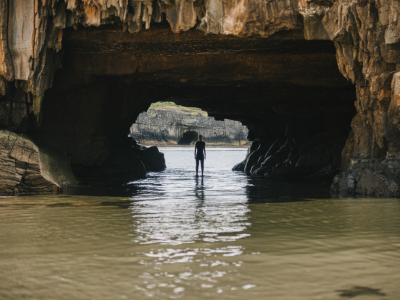
I’ve walked the stretch between Hillside Durness Co and Camel Haugh more times than I can count, always hopeful for that quiet moment when an otter slips from sea to shore. If you want the best day route for spotting otters in this part of the far north, I’ll take you through a route I trust—complete with maps, realistic timing, gear notes, and a few on-the-ground tips learned from early mornings and patient hours on the rocks.
Why this route works for otters
Otters here favour sheltered inlets, rocky skerries and tidal pools where they can hunt crabs, fish and shellfish. The route I recommend links a variety of habitats in a compact day walk: tidal foreshore, grassy headlands, sheltered bays and small river mouths. That variety increases your chances since otter activity often depends on tide, light and disturbance levels. I’ve found the stretch between the main Hillside shoreline and Camel Haugh gives a perfect mix of vantage points and quiet coves.
Overview map and route notes
Use this simple route outline to plan your day. I usually start at the parking area near Hillside (grid reference available on the site) and walk westwards along the coast towards Camel Haugh, taking the minor headland paths and stopping at three favoured otter spots: The Eastern Foreshore, Seaweed Cove, and the sheltered estuary by Camel Haugh. For an interactive map you can use the map on our site: https://www.hillside-durness.co.uk/maps/otter-route.
Timing and pacing
Otters are crepuscular—most active at dawn and dusk—but they can be seen throughout the day, especially at low tide when foraging is easiest. Here’s the timing I use for a full-day attempt that maximises low-tide windows and quiet hours.
| Segment | Distance | Estimated Time | Notes |
|---|---|---|---|
| Hillside car park to Eastern Foreshore | 1.5 km | 30–40 min | Gentle coastal path, good initial vantage point |
| Eastern Foreshore watch | — | 1–2 hours | Bring binoculars; sit quietly near rocks |
| Foreshore to Seaweed Cove | 2 km | 40–60 min | Headland path with views; potential seals |
| Seaweed Cove watch & picnic | — | 1–1.5 hours | Ideal for low tide shellfish foraging |
| Seaweed Cove to Camel Haugh estuary | 1.5 km | 30–45 min | Cobbled beach section and small stream mouth |
| Camel Haugh estuary watch | — | 1–2 hours | Late afternoon is excellent; quieter than main trail |
| Return to car park (optional loop) | 3–4 km | 1–1.5 hours | Alternate inland path for views |
Best times to go
- Season: Late spring to early autumn (May–September) is the most reliable for spotting otters, though winter sightings aren’t impossible.
- Time of day: Dawn and dusk are prime. If you can’t do dawn, plan to arrive a couple of hours before low tide in the afternoon.
- Tide: Low to mid-low tide is best—otters use exposed rock pools to feed.
What I carry and recommend
Part of successful wildlife watching is being prepared. I travel light but with the essentials:
- Binoculars — I prefer a compact 8x42 pair (e.g. Nikon Monarch or Vortex Diamondback) for steady field use.
- Camera with telephoto lens — a 300mm or 100–400mm zoom helps if the otter stays on a rock. I use a Canon R-series body with a 100–400mm for versatility.
- Sit-mat or lightweight folding stool — long watches are easier when you’re comfortable and still.
- Waterproofs and windproof layers — the coast turns quickly, even in summer.
- Polarising sunglasses — reduce glare on water so you can spot movement.
- Snacks and water — I bring a thermos and easy lunch; staying put is part of the strategy.
How to watch without disturbing
Otters are curious but cautious. If you want to see them and not scare them off, stick to these ground rules I always follow:
- Keep a respectful distance—use optics rather than approaching.
- Stay low and quiet. I crouch behind a rock or use natural cover rather than standing on high ground where I silhouette myself.
- Avoid sudden movements or loud voices. Even talking softly can send them diving.
- Do not feed wildlife. It damages natural behaviour and can be illegal.
- Respect breeding seasons—if you see pups or a den area, move away and keep your distance.
Top lookout spots on this walk
These are the places I pause because they consistently produce sightings or good viewing conditions:
- Eastern Foreshore rock ledges: natural hideouts and a great place for early-morning watches.
- Seaweed Cove tidal pools: excellent at low tide when otters forage for crabs and shellfish.
- Camel Haugh estuary mouth: quieter than the main shore and often used as a transit or feeding spot.
Photography tips
If you want images, patience and technique beat expensive gear. I favour a high shutter speed (1/1000s) for otters surfacing and a continuous burst mode. Use a tripod or monopod if you plan to sit and wait—this steadies long lenses during long watches. Shoot in RAW so you can recover shadow detail from coats and reflections on the water.
Safety and access
The coast here can be rugged. Wear grippy boots (I like Salomon or Scarpa for coastal scrambling), check the weather and tide charts before you set out, and carry a phone with a charged battery. Some sections are on crofting land—stick to marked paths where possible and close gates behind you. If in doubt, ask a local ranger or check our access notes on the map page.
What I’ve learned from locals
Crofters and rangers I speak to often remind me that the best sightings are as much about timing and patience as luck. They also stress seasonal sensitivities: nesting birds and pupping times mean that some coves are quieter for good reason. I try never to make the same spot famous if it’s used by an otter family—sometimes keeping a secret is the kindest thing you can do.
If you’re curious about tides, exact grid references, or want a printable map for this route, there’s a detailed download on Hillside Durness Co at: https://www.hillside-durness.co.uk/maps/otter-route. Bring patience, bring quiet, and enjoy the small miracles: a whiskered face peeking from a rock pool, the flash of a tail, or an otter hauling a crab onto the shore. Those moments are why I keep returning to this coastline.