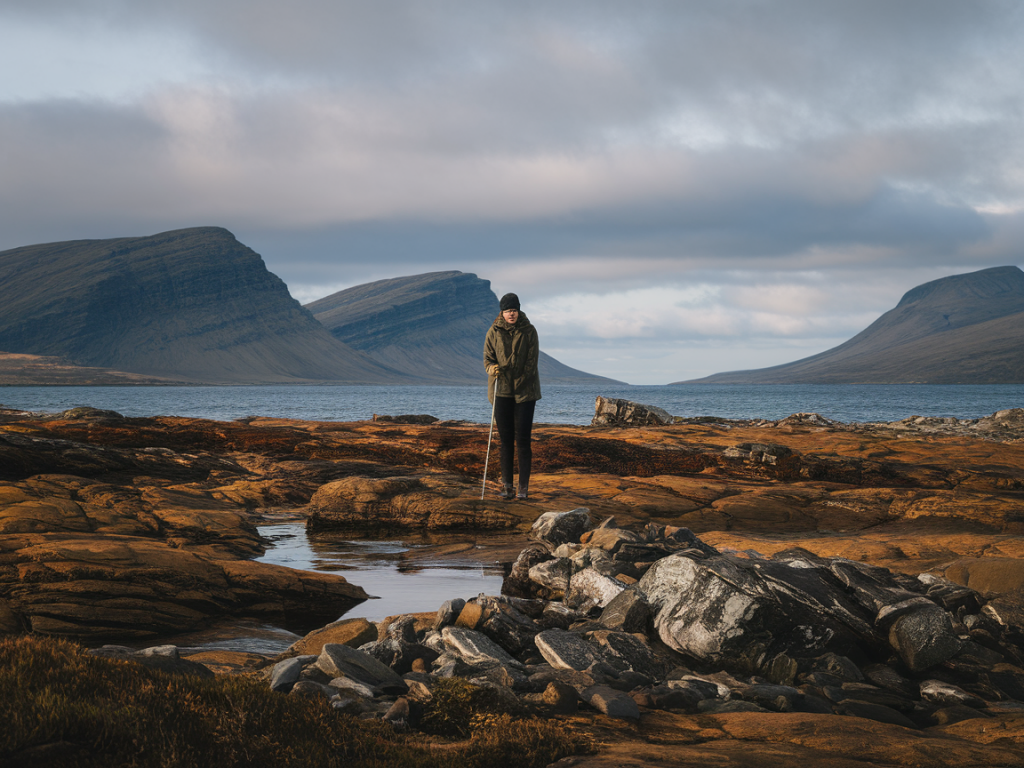
Peaty moorland and the jagged shorelines around Durness demand boots that can handle mud that clings like glue, wet tussocks that hide holes, and sharp, slippery rocks near the tide line. Over the years I've swapped through more pairs than I care to admit, and I've learned what matters most when you want to keep your feet dry, sure-footed and comfortable on long days outdoors. Below are the practical pointers I actually use when choosing boots for the Highlands’ mix of soft peat and unforgiving shoreline—plus product notes, care tips and a simple comparison to help you choose.
What terrain here really asks of your boots
Before you buy, think about what you’ll be doing. Are you aiming for coastal scrambles and short beach forays, or multi-day backpacking across peat bogs and heather? Around Durness I often mix both in one day: a morning crossing a peaty moor to reach a remote croft, the afternoon wandering a rocky bay hunting for seal pups or photographing sea stacks. That means I need boots that do three things well:
Waterproofing that works: peat + rain = wet feet if your boots leak.Outsole grip: sticky, lugged soles for boggy ground and grippy rubber for slick rocks.Comfort and support: enough ankle support for uneven turf but not so stiff I can’t feel the rock underfoot.Key features to prioritise
When boots tick these boxes, they make outdoor life in the far north a lot less stressful.
Waterproof membrane vs. treated leather: GORE-TEX and eVent membranes keep water out while allowing some breathability. Full-grain leather with a good waterproof treatment can be more durable and repairable, and it breathes naturally when you’re moving a lot. Personally, I use a mix: leather for long treks, membrane for cold, wet days when I expect to be slogging through streams and wet heather.Sole compound and tread: Look for Vibram rubber or equivalents with deep, multi-directional lugs. You need bite in peaty soil and confidence on wet cobbles and rock. A stiffer sole helps on uneven ground and keeps pebbles out of your foot’s natural motion.Weight and stiffness: Heavy, stiff boots protect and support but tire you faster. For long ridge walks across peat, a mid-weight boot with good midsole support is ideal. For shoreline photography where you’ll scramble on rocks, a lighter approach shoe or low-cut boot with sticky rubber is often better.Fit with socks: Always fit boots with the socks you intend to wear—thicker wool socks in winter, lighter merino or liner-plus-wool combo in summer. Leave a thumb’s width at the toe to allow for downhill foot slide.Toe protection: Rock edges and hidden stones in peat can punish toes. A reinforced toe cap is worth the extra grams.Types of boots and when I use them
Here’s how I typically choose based on activity:
High-cut leather boots (e.g. Zamberlan, Meindl): For multi-day treks across boggy moors and when I’m carrying a heavy pack. They’re durable and repairable; use waxes to maintain waterproofing.Mid-cut synthetic/GORE-TEX boots (e.g. Salomon X Ultra, Scarpa Zodiac): My go-to for mixed days when I’ll encounter rivers, wet heather and some rocky shoreline. They balance weight, support and waterproofing.Approach shoes / low-cut hiking shoes (e.g. La Sportiva, Five Ten): For coastal scrambling and photography on rocks where grip and sensitivity matter more than ankle support. Not great for deep peat or ankle-rolling terrain.Quick comparison
| Boot Type | Best for | Pros | Cons |
| Full-grain leather high-cut | Multi-day peat/remote trips | Durable, repairable, good support | Heavy, needs maintenance |
| Synthetic mid-cut (GORE-TEX) | Mixed terrain, wet days | Light-ish, waterproof, breathable | Less durable than leather |
| Approach / low-cut | Rocky shorelines, scrambling | Grip, sensitivity, light | Poor ankle support, not for deep peat |
Fit, break-in and trying boots on
Never buy boots online unless you’ve tried the model previously. I head to a shop, wear the socks I’ll use and spend time walking varied surfaces. Important fit points:
Heel hold: Your heel should sit firmly with minimal slipping—blisters often come from excessive heel movement.Toe room: Leave a little space for toes to move downhill.Arch support: Test walking on uneven floor to feel if the arch and midfoot are supported.Try in the afternoon: Feet swell slightly as the day goes on; an afternoon trial reduces the chance of buying too-tight boots.Break boots in on short walks before committing to long days. Leather benefits from gradual wear and occasional re-waxing. Synthetics take less time, but test them thoroughly with wet socks if you can.
Care, repairs and waterproofing
Boot care extends lifespan and keeps performance high:
Clean mud off after each walk—peat holds moisture and rots leather if left wet and dirty.Re-wax or treat leather yearly (Nikwax, Sno-Seal) and use a membrane-friendly spray for synthetics.Use sole repair or cobbler services rather than replacing boots early; resoling high-quality leather boots is often worthwhile.Accessories that make a difference
Small additions improve comfort and protection:
Gaiters: Essential for deep peat and tussock; they keep peat and water out and protect shins from wet heather.Good socks: Merino blends or liner plus wool work best to control moisture and reduce blisters.Footbeds: Custom or high-quality aftermarket insoles (Superfeet, Formthotics) correct fit issues and improve arch support, especially useful in lighter boots.Practical brand notes and personal favourites
I’m partial to a couple of combinations: a sturdy full-grain Zamberlan or Meindl for multi-day moorland treks, and a sticky-soled La Sportiva or Five Ten approach shoe for rock work and shoreline photography. Salomon makes reliable mid-cut synthetics that are great for mixed days. Whatever brand you choose, prioritise fit and sole quality over flashy features.
Environmental and safety considerations
On peat, bogs and fragile shorelines your boots also carry responsibility. Clean mud from boots before moving between sites to avoid spreading seeds or invertebrates. Use defined paths where possible to protect sensitive sphagnum and heather. And always pack a lightweight waterproof change of socks—hypothermia can start with wet feet on a windy Durness afternoon.