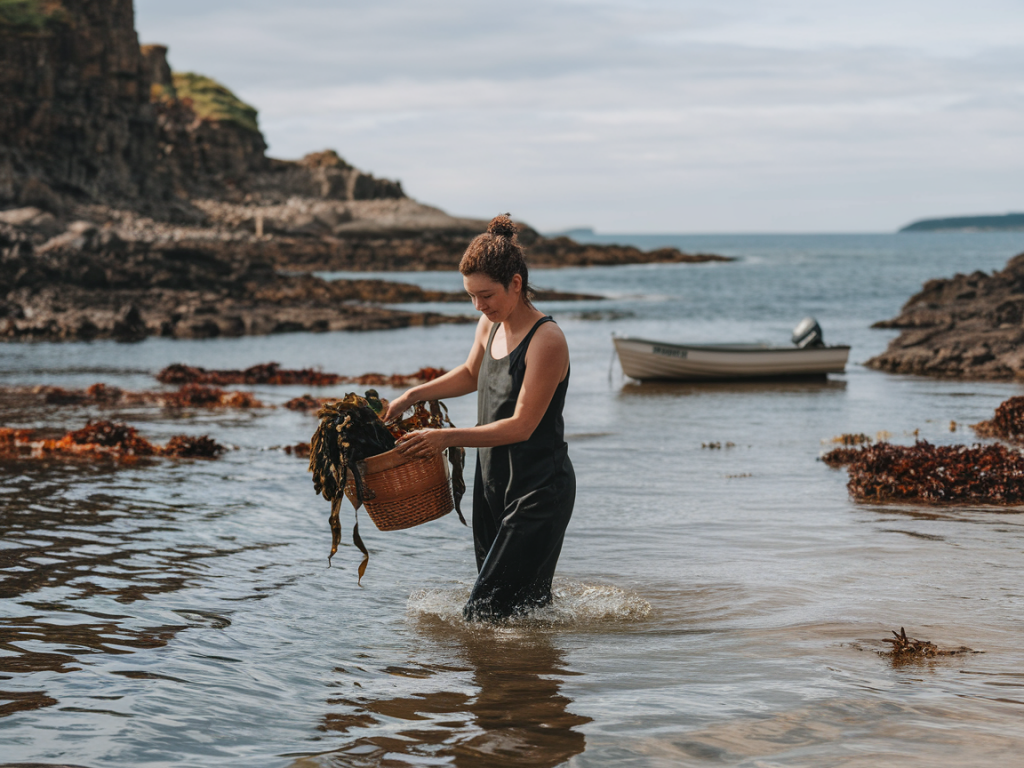
I love wandering the tidal edges around Durness — those wind-scoured rocks, drifts of wrack and quiet little coves where the sea leaves gifts on the shore. Foraging for seaweed is one of my favourite ways to connect with this landscape: it’s immediate, sustainable when done right, and the flavours you bring back to a cottage kitchen can be extraordinary. Below I share practical advice for foraging near Durness, how to identify the common seaweeds you’ll meet, legal and safety points, and a few simple recipes that work in a self-catering accommodation.
Why forage seaweed — and why do it responsibly?
Seaweeds are nutrient-rich, umami-packed and deeply seasonal. A handful of washed kelp or a smear of brown seaweed butter transforms basic groceries into something of the place. But seaweeds are also habitats and food for coastal creatures, so sustainable practice matters.
When I collect, I follow a simple rule: take only what I need, avoid whole plants from the holdfast upward unless it's a fast-regenerating species, and never harvest from fragile habitats like eelgrass beds. If in doubt, leave it. The patterns of regrowth and the needs of birds and marine life come first.
Legal and access basics
In Scotland you generally have the right to access the coast under the Scottish Outdoor Access Code, but rights come with responsibilities. There’s no blanket national ban on seaweed gathering for personal use, but local by-laws, protected sites (SSSIs) and conservation zones can restrict harvesting. Always check signage at car parks, ask local rangers, or phone the council if you’re unsure.
Practical points:
When and where to look around Durness
The best foraging depends on tides. I plan trips around a low-to-neap tide with a couple of hours either side of the lowest point. Look at tidal charts (I use the UK Hydrographic Office or local harbour tables) and never turn your back on the sea — tides change quickly on this coast.
Favourite spots:
Common seaweeds you’ll find (and how to identify them)
Below is a short table to help with quick ID and whether I’d harvest them for the kitchen.
| Species (common) | Appearance | Harvest? | Notes |
|---|---|---|---|
| Bladderwrack (Fucus vesiculosus) | Brown, leathery fronds with paired air bladders | Yes (take some, leave most) | Good for seaweed stock and salads; avoid overharvesting from same area |
| Winged kelp / Sugar kelp (Laminaria spp.) | Long, leathery ribbons; often torn sections on beaches | Yes (small amounts of washed fronds) | Excellent dried or cooked; do not pull plants from holdfast on rocks |
| Sea lettuce (Ulva) | Bright green, thin sheets | Yes | Delicate; washes well and is good raw or lightly cooked |
| Laver (Porphyra / Palmaria) | Thin purplish-red sheets | Yes | Classic for laverbread; a little goes a long way |
| Rockweed (Ascophyllum) | Long brown fronds with single, large bladders | No (avoid) | Important habitat; leave for wildlife |
Tools and preparation
For a day’s foraging I carry:
Back at the cottage, rinse seaweed in fresh water to remove sand and small creatures. For kelp and tougher browns, change the rinse water a couple of times. For delicate laver or sea lettuce, a quick rinse is enough. Pat dry on a clean tea towel.
Simple recipes to try in self-catering accommodation
These are designed for small kitchens — no specialist equipment required.
Seaweed butter
My go-to for toast, steamed fish or boiled potatoes.
Laverbread-style spread
Strong & savory — use sparingly.
Kelp crisps (oven)
A fun, crunchy snack to impress friends.
Simple seaweed stock
For soups, stews or to cook grains.
Storage and preserving
Use fresh seaweed within a few days if refrigerated. For longer storage, dry it (sun or oven on very low) until crisp, then keep in a sealed jar. You can also freeze blanched seaweed in portioned bags. If you want to make your own dried snack mixes, a dehydrator or the oven at its lowest setting works well.
Final practical tips
For me, the pleasure of seaweed foraging in Durness is the slow noticing — of tide, of season, of the colour and smell of rock and sea. When you cook a little of the shore on your stove, you take a bit of place with you. Be curious, be cautious, and leave most of the shore intact for the next walker and the wildlife that depends on it.