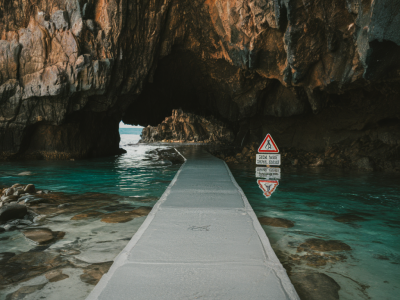
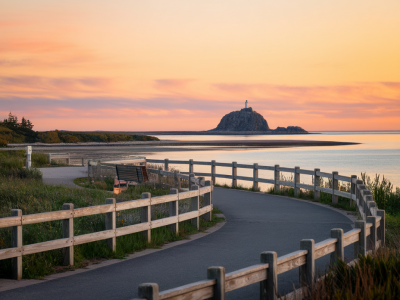
I plan almost every visit to Durness with a single aim: maximise the time I spend watching and photographing wildlife without disturbing it. A weekend might sound short, but with a focused plan you can see spectacular seabird colonies, playful seals and, if you’re lucky and patient, otters moving along the shore at dusk. Below I share the practical route, timing, gear and etiquette I use for wildlife-focused weekends around Durness—straight from field notes and many early mornings on the cliffs.
When to go
Timing makes a big difference. For seabirds, the breeding season from late April to early August is peak: puffins, guillemots, razorbills and kittiwakes are obvious and plentiful then. Seals are around year-round but are especially visible hauling out on beaches in late summer and autumn. Otters are most often seen at dawn or dusk all year, although autumn and winter can be good as they forage more openly.
Weather in the far north is changeable. I prefer spring and early summer for long daylight hours and nesting seabirds, but late summer gives calmer seas and better chances for inshore dolphins and basking rays. If you’re flexible, check tides and wind direction before you set off—calmer seas and offshore winds make seabird and seal-spotting easier from the cliffs and beach headlands.
How I structure a wildlife-focused weekend
My typical two-day plan balances time on cliffs, on beaches and a short boat trip or sea-watching session if conditions allow. Here’s the outline I use:
| Day | Morning | Afternoon | Evening |
|---|---|---|---|
| Day 1 (Arrive) | Sea-watch from Sango Bay or Durness beach | Walk to Cape Wrath viewpoint / Balnakeil Beach exploration | Dusk otter-watch at the estuary or small coves |
| Day 2 | Cliff walk to observe seabird colonies (e.g. Clachtoll or local sea stacks) | Boat trip or kayak (if available) / seal haul-out beach visit | Night sky and listening for owls or nocturnal activity |
Where I go and why
Here are the spots I visit most often and what I expect to find there.
Gear I always bring
Good kit increases your chances and keeps wildlife safe. I don’t overpack for a weekend, but I bring thoughtful, quality pieces:
Ethics and how I behave in the field
I’m serious about leaving no trace and about keeping animals safe. A single careless approach can cause nesting birds to abandon eggs or put an otter under stress. My ground rules:
Best practices for otter-spotting
Otters are shy. My best sightings come when I follow the tide and stay hidden.
Seals and seabird colonies—what to expect
Seals are often obvious on beaches and rocks. Grey seals are common and will haul out to rest and moult. I keep at least 50–100 metres distance from hauled-out seals—mothers with pups can react aggressively.
For seabirds, patience and binoculars are everything. Puffins are a crowd-pleaser: look for them bobbing offshore or flying to small burrows on grassy cliff tops. Guillemots and razorbills crowd narrow ledges; watch for rapid flushes if a predator like a great skua passes overhead.
Transport, accommodation and local tips
Durness is remote—plan your logistics. I usually drive up from Inverness (about 3.5–4 hours) and leave extra time for slow sections and stops. Public transport exists but is sparse; if you rely on buses, check timetables carefully.
Quick checklist before you leave
If you’d like a customised two-day route based on the time of year you’re visiting, tell me your arrival time and whether you prefer walking, sea trips or a mix—I’ll sketch a plan with exact spots and timing that fits your pace. I love helping people craft short trips that still feel wild and full of encounters.