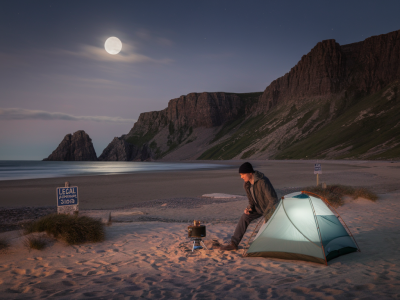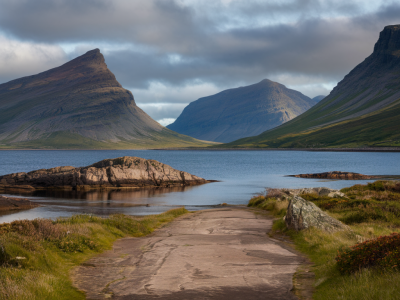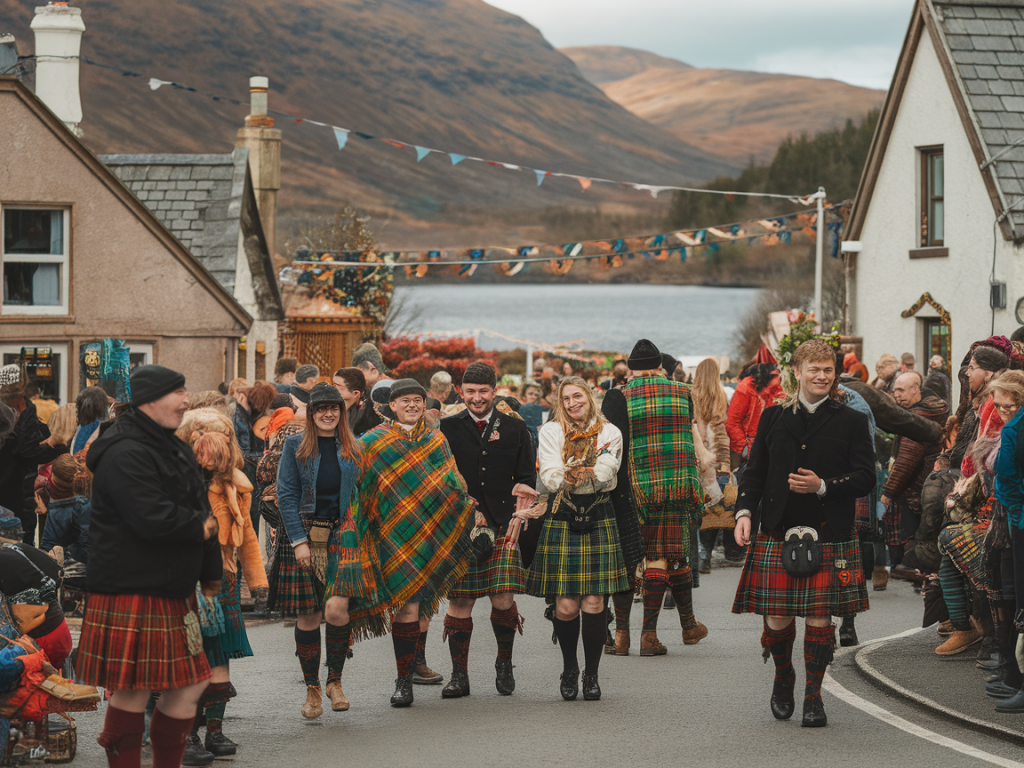
I time many of my visits to Durness and the surrounding north‑west Highlands around local gatherings. There’s nothing like a village gala, a crofter’s open day or a ceilidh to make the landscape feel lived in—sudden pockets of warmth and noise amid the wind‑scoured cliffs and empty beaches. If you’re planning a trip, thinking about the local calendar will change the kind of memories you bring home: from watching shearing competitions in a bedding‑strawed barn to sharing soup with a crofter after a peat‑cutting demo.
When to come: the seasonal rhythm of festivals and crofting tasks
The social year up here follows the land and sea. If you want a calendar full of community events, aim for late spring through early autumn. From May to September you’ll find gala days, agricultural shows and ceilidhs on weekends; the longer daylight makes outdoor activities and market stalls practical. Crofting demonstrations—sheep shearing, peat cutting, potato lifting—are usually timed to practical needs: peat cutting in late spring and summer when the turf dries; shearing in late spring to early summer; potato lifts and harvest events late summer to autumn.
I always tell readers that the best festival experiences happen when you match weather, light and crofting tasks. For dramatic photography, time a gala in June for long‑golden evenings. For hands‑on crofting experiences, late July or August usually offers the widest array of demonstrations and community open days.
What you’ll actually see and hear
Expect an unpretentious mix of traditional and improvised. A village gala might include:
Crofting demonstrations are more intimate. I’ve stood in a small circle while a crofter explained how to cut and stack peat, or watched a hand‑threshed oat sample being winnowed in a breeze. These demos often include conversations about grazing rights, common grazing committees, and the realities of keeping a smallholding in a remote place—insights you won’t find in a guidebook.
Events worth timing your visit for (how to prioritise)
If you only have a weekend and want a genuine local experience, prioritise like this:
Small is the charm here. Even a modest event of 50 people can feel more authentic than a tourist festival of thousands.
Practical tips — where to stay, how to travel, and what to pack
Transport in the north‑west Highlands is sparse. I usually recommend planning your festival‑timed trip with a car or hiring a local taxi service for the day—some communities organise shuttle buses for larger shows but don’t count on it. Accommodation fills fast around notable events: book cottages, B&Bs and campsites early, especially for summer weekends.
Pack for all weather: windproof layers, waterproofs, strong boots and a daypack with a thermos. For some demonstrations you’ll stand on boggy ground or inside old byres—wellies or gaiters are useful. If you intend to take part in peat cutting or outdoor crofting tasks, bring leather gloves and a change of clothes; community hosts appreciate visitors who are prepared and not getting in the way.
Etiquette and respectful visiting
These are living communities, not performance spaces. I always remind readers of a few simple courtesies that make a huge difference:
When I sit in a marquee with a crofter and a cup of tea, conversation often turns to grazing rights and common land—subjects that matter deeply here. Listening respectfully and asking sincere questions earns trust and opens doors to small, special experiences.
Photography and storytelling tips
Local events are a goldmine for atmospheric images: candid portraits, hands at work, battered tools and close‑ups of peat or wool. I prefer a 35–85mm range for intimacy—avoid long telephoto lenses that create distance. For outdoor stalls and evening ceilidhs, a fast prime (f/1.8 or faster) helps in low light. I also bring a small flash diffuser to soften portraits when the marquee light is harsh.
When I photograph a crofter, I try to include context: the croft house, a stack of peat, a tethered sheep—details that tell the story. Ask permission first; many people enjoy being photographed if you show them the result afterwards.
Sample festival calendar (what you might find by month)
| Month | Typical events | Why go |
|---|---|---|
| May–June | Village galas, spring fairs, early peat cutting demos | Long evenings, early lambs, fresh market fare |
| July–August | Agricultural shows, croft open days, ceilidhs and boat days | Peak event season, best weather for outdoor demos |
| September | Harvest events, potato lifting, late festivals | Autumn colours, quieter roads, authentic harvest work |
| Winter | Smaller community gatherings, ceilidhs, seasonal markets | Cozy indoor events and local storytelling |
Where to get up‑to‑date info
Local noticeboards, village Facebook groups and community websites are the best sources. I also recommend phoning your chosen B&B or the community hall; volunteers often organise these events and are happy to advise on dates and accessibility. If you’re staying at a campsite or holiday cottage, ask the host—many hosts make it their business to keep a calendar of local happenings.
Finally, if you have a particular interest—say, hand‑spinning wool, peat stacking technique, or Gaelic song—say so when enquiring. Locals love to share, and I’ve arranged private demonstrations and short tuition sessions just by mentioning my interest ahead of time.