I’ve spent more than a few nights with sand under my mat and the roar of the Atlantic in my ears, and Balnakeil Bay remains one of my favourite spots to pitch for the night. It’s dramatic, remote-feeling and within reach of Durness village—but it’s also a place where tides, nesting birds, crofting land and rapidly changing weather all demand respectful planning. Below I share how I choose a pitch, how I plan for tides and wildlife, what I pack, and simple steps to make sure your overnight beach camp leaves Balnakeil as wild and welcoming as you found it.
Picking a pitch: shelter, surface and scenery
My first thought when scouting a pitch is always protection. On the north coast the wind can be relentless; a flat, exposed patch of sand can make for a miserable night. I look for:
- Natural windbreaks: dunes, low cliffs, or a line of driftwood. These reduce wind-chill and stop your tent from becoming a kite.
- Firm ground: wet sand at the high-tide line compacts well but is vulnerable to rising tides (see tides section). I aim for slightly damp, packed sand above the high tideline or grassy hummocks if available—these give better peg purchase.
- Distance from the surf: I allow myself at least one tidal buffer—preferably more—between tent and high-water mark. This keeps noise manageable and reduces the chance of unexpected overnight reach of the sea.
- Low environmental impact: avoid fragile dune vegetation and bird nesting areas (more below). Try to use previously used sites rather than creating a new patch of disturbance.
Tides and timing: don’t underestimate the sea
Tides on the north coast can be surprisingly energetic. I always check a reliable tide table before I leave—Port of Durness and local harbour sites are useful—and I use a tide app (I like MagicSeaweed or the free Admiralty tide tables) to cross-check times. A few rules I follow:
- Never camp below the high-water mark. Swells, spring tides and storm surge can push water far higher than you’d expect.
- Plan to pitch with the high tide at least 6–8 hours away from when you plan to sleep, so your overnight low tide isn’t followed by a high tide while you’re asleep.
- If a storm is forecast, give the beach a wide berth—waves and wind can drastically change the safe camping area.
As a rough guide: for an overnight camp I want the nearest predicted high tide to be at least 8 hours before or after my sleep window. That gives me margin for unexpected weather and ensures I’m not climbing over damp sand in the dark because the sea has advanced.
Wildlife and seasonal considerations
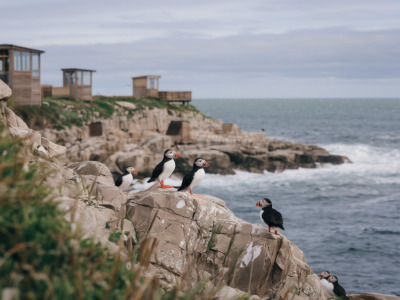
Balnakeil’s shoreline is valuable breeding and feeding habitat. I always check for seasonal restrictions and watch for signs of nesting birds, especially in spring and early summer (April–August).
- Breeding birds: oystercatchers, terns and ringed plovers nest on beaches and are easily disturbed. If you see fencing, signs or birds acting agitated (alarm calls, mobbing), move well away.
- Seals: seals often haul out on beaches to rest or pup. Keep dogs on leads and stay at least 50 metres away—closer distances cause stress and are unlawful under disturbance protections in some cases.
- Ground vegetation: dunes host delicate plants—don’t trample them. Stick to hardened sand and existing paths.
When in doubt I contact local rangers or check community noticeboards; crofters and the local ranger often know of temporary closures or sensitive sites. I also follow the Scottish Outdoor Access Code: take responsibility, respect people’s livelihoods and care for the environment.
Permissions and land access
Scotland’s access rights are generous, but they come with responsibilities. Wild camping is permitted under the Scottish Outdoor Access Code, provided you:
- camp responsibly (small numbers, low impact);
- avoid enclosed farmland, especially where livestock are present;
- leave no trace and remove all litter and faeces;
- avoid sensitive sites and respect any temporary local restrictions.
At Balnakeil you may be on common grazing or crofting land—if in doubt, ask a local crofter or the Durness community ranger. For group trips or if you’ll be using fires or barbeques, it’s polite and sometimes necessary to notify landowners or rangers.
Gear and a sensible kit list
I keep my kit light but resilient. For beach camping I want a low-slung tent, proper pegs, shelter from the wind, and ways to keep dry and warm. Here’s what I pack:
| Category | Items I always bring |
|---|---|
| Shelter | Freestanding tent with good guy points (e.g., MSR Hubba series or Hilleberg Akto), sand pegs or deadman anchors, footprint |
| Sleeping | Warm sleeping bag (comfort to at least 0°C for shoulder seasons), insulated sleeping mat (Therm-a-Rest), liner |
| Cooking & water | Windproof stove (Jetboil or MSR WindBurner), water filter or purification tablets, extra fuel |
| Clothing | Windproof shell (e.g., Rab Kinetic or Patagonia Torrentshell), warm mid-layer, wool socks, buff and hat |
| Safety | Headtorch with spare batteries, map & compass, charged phone + power bank, basic first-aid |
| Misc | Biodegradable soap, small trowel for human waste (bury at least 30cm and 50m from water), garbage bags, binoculars for wildlife |
I also carry a lightweight tarp to create a sheltered cooking area if wind is heavy. For pegs, I keep a few aluminum sand pegs and bury "deadman" anchors (stuff sacks filled with sand) when the ground won’t take standard pegs.
Campcraft: fires, cooking and waste
I don’t build open fires on Balnakeil. Even a small beach fire can scar dunes, ignite grasses and leave behind glass and charcoal. I use a stove for all cooking and a small gas canister to avoid collecting driftwood or damaging the beach.
- Food waste: pack out all food scraps—seabirds and mammals suffer from human food and it attracts scavengers.
- Human waste: use a trowel and bury waste at least 30cm deep and 50m from watercourses. For group trips I use a portable toilet bag system.
- Grey water: scatter strained dishwater away from shore and vegetation; use biodegradable soap sparingly.
Staying safe and leaving no trace
Before I go to sleep I reconfirm my tide plan, check the forecast (Met Office or BBC Weather), and set emergency contacts. I leave my route and estimated return time with someone in Durness or a hiking partner. If I see signs of rare birds or sensitive habitats, I move well away—sometimes a beautiful campsite is not the right place for a night.
Finally, I always leave the site cleaner than I found it. Things I’ve pulled out of dunes and behind kelp lines include fishing line, plastic fragments and even old tent pegs. A small bag of rubbish stashed in the car on the drive home makes a big difference to the bay’s future visitors—and to the wildlife that calls it home.
If you want a suggested short itinerary or help picking a pitch by map for a specific date, send me details—I’m happy to share recent observations from the Durness rangers and crofters that might affect your plan. Happy, careful camping—Balnakeil rewards the respectful traveller with starry nights and a sunrise you won’t forget.