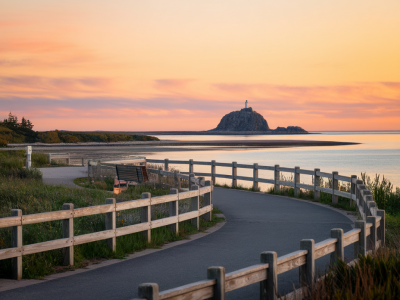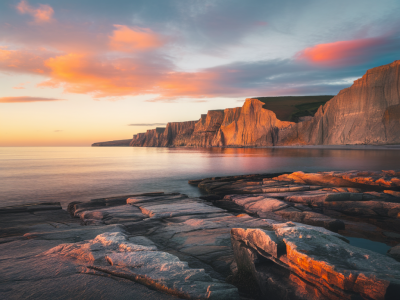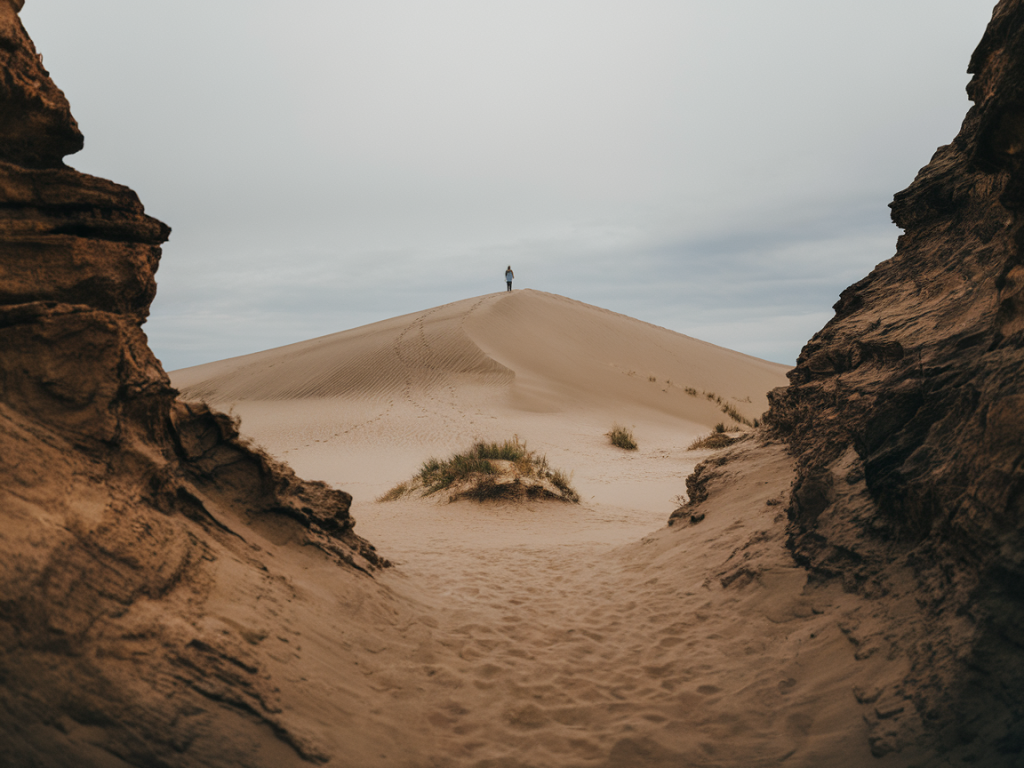
I’m often asked where to find the hidden sand dunes around Balnakeil and how to reach them without trampling fragile habitats or upsetting nesting birds. I love these dunes—they’re a salty, shifting playground of grasses, shells and light—and over the years I’ve learned the best access points, the times to go, and the small behaviours that keep this coastline healthy. Below I’ll share practical routes, tide and weather notes, wildlife considerations, photography tips and the kit I always bring.
Where the dunes are and what makes them special
The dunes near Balnakeil sit on the western edge of Durness, along the strand between Balnakeil Bay and Sango Bay. They form a chain of low, curving dunes behind the wide sandy beaches—soft, pale sand clasped by marram grass and dotted with salt-tolerant plants. What I love most is the sense of being in a moving landscape: patterns in the sand change after each storm, and the dunes act as a living archive of wind and sea.
Locally you’ll hear the stretches called Balnakeil Strand, Drumbeg side dunes and the fringe near Sango. These are not huge dunes like you’d see on the east coast, but they’re intimate, photogenic and ecologically important—home to invertebrates, specialised plants and, in season, nesting terns and oystercatchers.
Best access points and practical routes
I usually approach the dunes from three simple access points, depending on where I’m staying in Durness and what I want to do that day. Here they are with practical notes.
- Balnakeil car park (near the chapel): The most convenient. From the small car park by Balnakeil Craft Shop and the chapel, walk west along the strand. The route is flat and straightforward. This is the easiest spot for families or those carrying beach kit.
- Sango Bay slipway: Park carefully in the small layby near the slipway and take the coastal path towards Balnakeil. This route gives you a slightly higher viewpoint on the cliffs above the dunes before descending to the sand—great for views and photos.
- Drumbeg headland approach: For quieter dunes, park at the small pull-in by Drumbeg and follow the faint path across the machair and peat until you reach the beach. This route can be boggy after rain but rewards you with fewer people and more undisturbed dune systems.
On each approach, check local signage and stick to established paths where they exist. Crossing from the machair straight onto dunes can damage rare plants and destabilise the sand.
Timing, tides and seasonal notes
Tides matter less for accessing the dunes than they do for exploring sea caves or rock platforms, but they still shape your visit. I aim to arrive around low tide if I want to walk the full length of the strand and explore the foreshore. That said, the dune systems behind the strand are accessible across most tides via the shore paths.
Seasonal considerations:
- Spring and early summer (April–July): Breeding season for ground-nesting birds. Keep dogs on leads and avoid marked nesting areas. You’ll see wildflowers like sea thrift and orchids on the machair.
- Late summer (August–September): Warm enough for long walks and great light for photography. Some areas may be grazed by sheep—respect livestock and close gates.
- Winter (October–March): Wild, dramatic and often empty. Storms rearrange the dunes and create interesting sculpted forms, but check weather forecasts and don’t underestimate wind chill.
Responsible access: do this, not that
Protecting these dunes is the reason they’ve stayed beautiful. My simple rules when visiting:
- Stay on established paths where provided to avoid trampling dune vegetation.
- Keep dogs on a lead in spring and early summer—many birds nest on the ground and can be driven off their nests by just a brief disturbance.
- Take all litter away—that includes small items like cigarette butts and food scraps.
- No fires or barbecues—vegetation is fragile and sparks can start peat fires in dry spells.
- Respect local access signs and any temporary restrictions put in place by rangers.
Wildlife to watch for
Balnakeil’s dune complex supports a surprising range of life. On any calm morning I’ve seen:
- Oystercatchers and ringed plovers probing the strand.
- Terns (Arctic and sandwich) during the breeding season—observe from a distance.
- Small dune specialists like the six-spot burnet moth and a range of solitary bees in summer.
- In winter, wildfowl and waders gather on the strand—think redshank, knot and golden plover.
If you’re a birdwatcher, bring a small scope or binoculars and use a telephoto lens for photography; close approaches can stress birds, especially during nesting.
Photography and best light
I plan dune shoots around light. Early morning and late afternoon offer the best angle for shadows to reveal the sand’s texture. Here are my tips:
- Golden hour: Soft light enhances sand ripples and marram grass—arrive 30–60 minutes before sunrise or sunset.
- Storm light: Heavy skies can create dramatic contrast. Use a polariser to saturate the sky and reduce glare.
- Close-ups: A macro or 50mm lens is perfect for shell fragments, lichen and tiny dune flowers.
- Composition: Use leading lines—drift lines of seaweed, tidal channels or grass clumps—to draw the eye into the scene.
Packing list and recommended gear
My go-to kit for dune days is simple and practical:
- Sturdy waterproof boots or trail shoes—sand can hide pebbles and seaweed; waterproofs if wind or rain is forecast.
- Windproof jacket and layers—conditions change fast by the sea.
- Binoculars and a small field guide (I like the Collins Bird Guide for the UK).
- Camera with a mid-range zoom (24–70mm or 24–105mm) and a telephoto for birds (100–400mm if you want to keep your distance).
- Reusable water bottle and snacks; a small rubbish bag for any litter.
- Dog lead if bringing a pet, and a lightweight blanket if you sit for photos or picnics to avoid trampling dune vegetation.
Quick access summary
| Access point | Best for | Notes |
|---|---|---|
| Balnakeil car park | Easy family visits, quick access | Flat walk, close to amenities |
| Sango Bay slipway | Photography, coastal views | Higher viewpoints, steeper descent |
| Drumbeg headland | Solitude, wildlife | Faint paths, can be boggy |
If you want updates on conditions or recent sightings, I post route notes and photos on Hillside Durness Co at https://www.hillside-durness.co.uk. And if you have a particular interest—say, photographing dunes at sunrise or planning a dog-friendly route—drop me a note on the site and I’ll share tailored tips from my latest walks.